A focused review of five Bay Harbor Islands condominium choices for families evaluating adaptable layouts, privacy, shared spaces and long-term ownership planning.
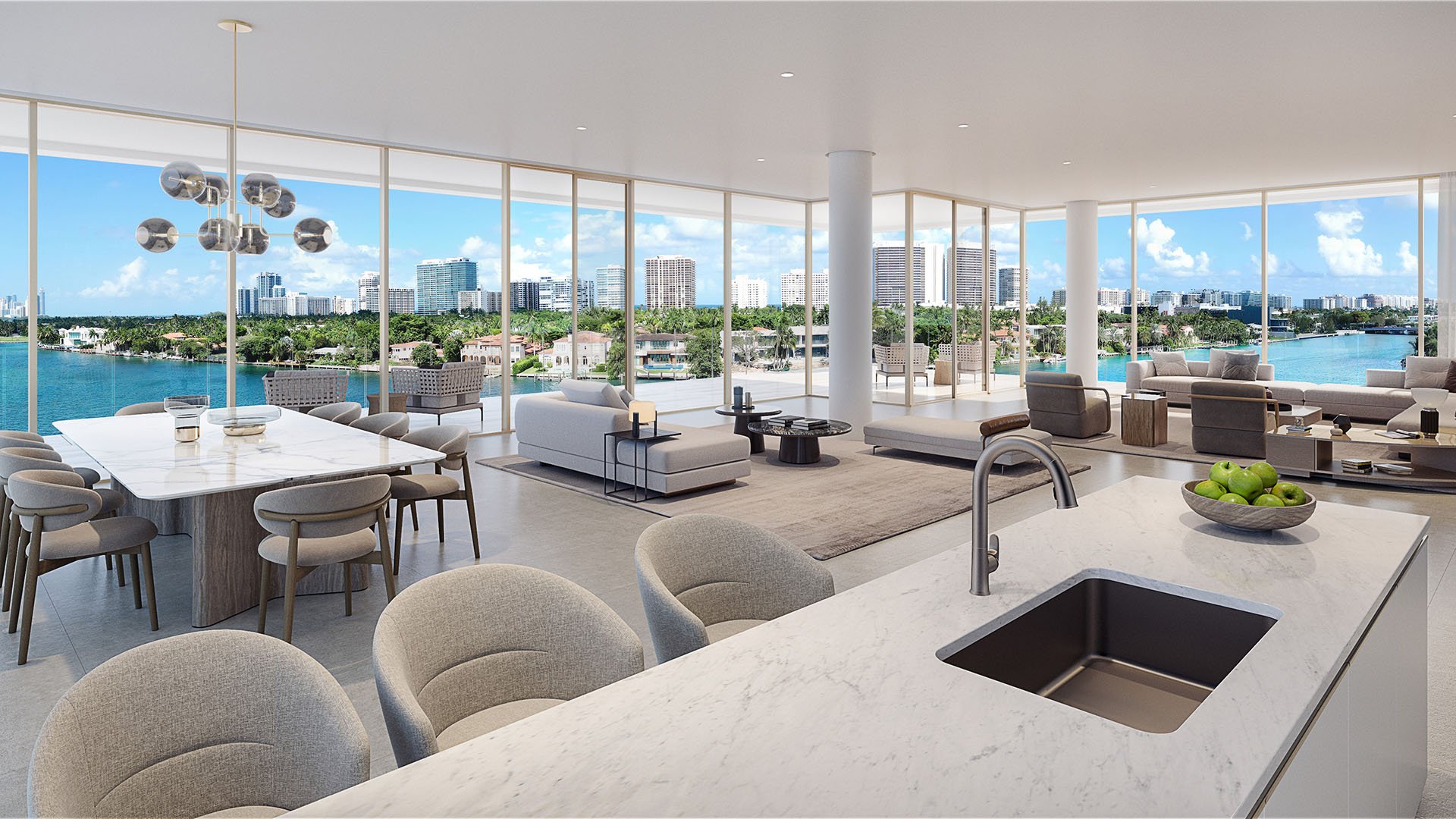
Multi-generational ownership calls for a residence that can adapt as a family evolves. Adult children may return for extended stays, older relatives may prefer greater privacy and a second home may eventually serve a different purpose. The most suitable choice depends on how the household expects to live, host and share responsibilities over time.
A useful comparison should look beyond finishes and amenity lists. Bedroom placement, circulation, quiet areas, shared living space and access needs can have a greater effect on daily life. Ownership documents and operating costs also require residence-level review before a family commits.
Families should begin with realistic occupancy scenarios. A plan that works well for a couple may function differently during extended visits, remote work or simultaneous stays by several generations. Buyers should consider separation between sleeping areas, access to bathrooms, storage and the relationship between private suites and common rooms.
Building scale and management style can also shape the ownership experience. Families comparing the local market may include Origin Bay Harbor Islands and Onda Bay Harbor as additional reference points when evaluating the five selections below.
1. Indian Creek Residences & Yacht Club
Indian Creek Residences & Yacht Club belongs on the shortlist for families assessing privacy, layout suitability and long-term ownership. Buyers should examine each available residence individually rather than assume that a project-level description confirms its fit for multiple generations.
The review should focus on bedroom separation, shared gathering space, access and the practical use of secondary rooms. Association documents and any residence-specific rights should be evaluated alongside the floor plan.
2. La Maré Bay Harbor Islands
La Maré is another relevant choice for a family comparing Bay Harbor Islands condominiums. Its inclusion should prompt a close review of the specific collection, residence and plan under consideration, because suitability cannot be determined from the project name alone.
Families should test whether the selected plan provides enough privacy for longer stays while preserving comfortable shared areas. Current availability, pricing, fees and policies should be confirmed directly during due diligence.
3. 9900 West
9900 West merits consideration within a five-project comparison focused on multi-generational ownership. The central question is whether an available residence can support the household’s expected mix of permanent occupants, visiting relatives and changing routines.
Buyers should compare actual plans, room dimensions, circulation and storage. They should also review association materials before drawing conclusions about ongoing obligations or permitted use.
4. La Baia North Bay Harbor Islands
La Baia North provides a fourth option for the shortlist. Families evaluating it should prioritize residence-level details, including the relationship between bedrooms and common areas, rather than relying on broad assumptions about the development.
The practical review should also address access, guest privacy, operating costs and any rules that could affect shared family use. Legal and financial advisers can help place those findings within a longer-term ownership plan.
5. The Well Bay Harbor Islands
The Well Bay Harbor Islands completes the five-project selection. For multi-generational buyers, the relevant exercise is to determine whether the residence, building operations and available services match the household’s actual preferences.
Amenities can support daily routines, but they should not substitute for an effective floor plan or clear ownership structure. Families should verify all current project details and assess how often each generation would realistically use the residence and shared facilities.
The five choices should be compared using the same criteria: privacy, adaptability, access, common-space quality, storage, operating obligations and residence-specific rules. La Maré Bay Harbor Islands, La Baia North Bay Harbor Islands and The Well Bay Harbor Islands should each be assessed at the individual-residence level, as should Indian Creek Residences & Yacht Club and 9900 West.
Pricing should be treated as current only when verified for a specific residence. Availability, fees, policies and other terms can differ, so buyers should avoid using earlier marketing information as a substitute for present documentation.
Before selecting a property, buyers should walk through realistic family scenarios. Consider simultaneous visits, remote work, quiet space, mobility needs, storage and future changes in occupancy. A residence should remain functional when daily routines overlap.
Families should review association fees, reserves, insurance information, occupancy rules and any rights represented as belonging to a specific residence. Title, succession planning, usage scheduling and responsibility for ongoing expenses should be addressed with qualified legal and tax advisers.
The strongest choice is not automatically the residence with the most rooms or amenities. It is the one whose layout, documentation and ownership structure remain understandable and workable as family needs change.
Which five projects are included in the shortlist? The selection includes Indian Creek Residences & Yacht Club, La Maré Bay Harbor Islands, 9900 West, La Baia North Bay Harbor Islands and The Well Bay Harbor Islands.
Why should families start with the floor plan? The floor plan shows how private rooms, shared spaces and circulation may function when several generations occupy the residence together.
Is bedroom count enough to determine suitability? No. Placement, privacy, access, storage and the relationship between bedrooms and common areas also matter.
How should buyers evaluate amenities? Buyers should consider which amenities the household would actually use and whether those features support, rather than distract from, the residence’s practical fit.
Should current pricing be inferred from earlier marketing? No. Pricing and availability should be verified for the specific residence under consideration.
Which association materials deserve review? Buyers should examine available information concerning fees, reserves, insurance, occupancy rules and other residence-level obligations.
Why do access needs matter in a multi-generational home? Mobility and circulation requirements can change over time, so families should assess whether the residence supports present and anticipated needs.
How should a family approach shared ownership expenses? Responsibility for recurring costs should be discussed and documented with guidance from appropriate legal and financial professionals.
What role does succession planning play? Succession planning helps a family address how ownership may transfer and should be developed with qualified legal and tax advisers.
Which other Bay Harbor Islands projects can provide context? Origin Bay Harbor Islands and Onda Bay Harbor can serve as additional comparison points when reviewing the local condominium market.
For a confidential assessment and a building-by-building shortlist, connect with MILLION.
If branded residences are on your mind — as a home or as an allocation — we would be glad to share what we are seeing, privately.
Begin a quiet conversation