A discreet 2026 buyer’s guide to the reserve, insurance, and association-control questions that should shape diligence at Kempinski Residences Miami Design District.
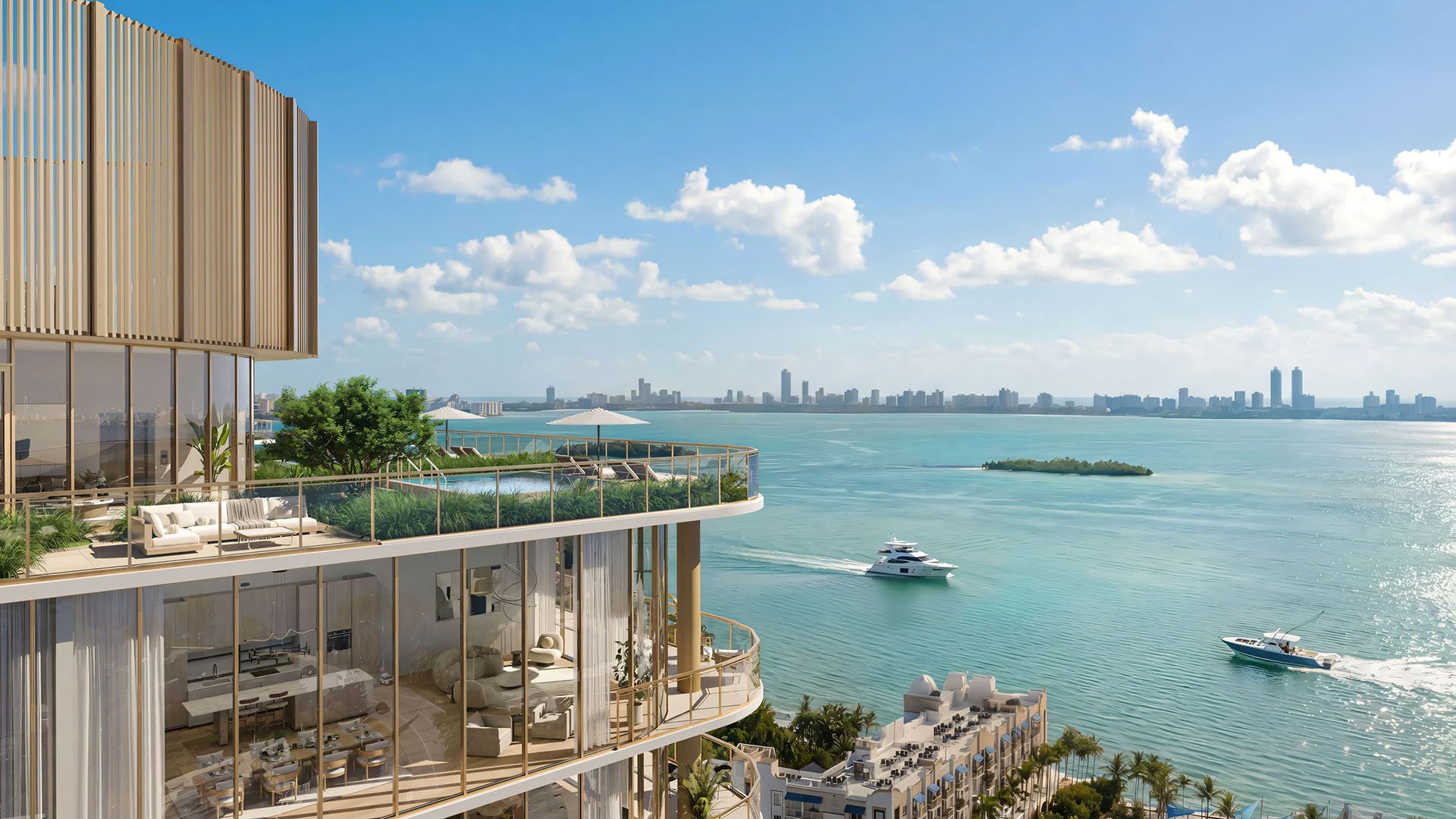
At the top of Miami’s residential market, buyers are no longer evaluating a condominium by architecture, finishes, hospitality, or proximity to galleries and dining alone. In 2026, the more sophisticated question is how the building will be governed, insured, funded, and protected after closing. That is especially relevant for purchasers studying Kempinski Residences Miami Design District, where branded hospitality expectations meet the practical obligations of condominium ownership.
This is not a defensive way to buy. It is a refined one. In a luxury building, reserves, insurance, and HOA-style controls determine whether the experience remains composed in year one, year five, and beyond. They influence monthly carrying costs, the likelihood of special assessments, the resilience of common areas, the quality of service delivery, and the discretion of daily life.
The goal is simple: understand which obligations are fixed, which are adjustable, and which depend on future association decisions. A residence may be private, but the building’s financial and governance structure is shared.
Reserves are not glamorous, but they are among the clearest signals of long-term building stewardship. Buyers should ask which components are included in the reserve plan, how replacement timelines are established, and whether the projected funding approach is designed to reduce the likelihood of disruptive assessments.
The most useful question is not, “Are there reserves?” It is, “What exactly do the reserves cover, and what remains outside the reserve schedule?” In a high-service property, common-area systems, amenity spaces, elevators, mechanical equipment, exterior elements, technology, and shared hospitality infrastructure may all carry different maintenance profiles. A buyer should understand how these items are categorized and who has authority to revise funding assumptions.
At a pre-construction or new-construction stage, buyers should also ask how the transition from developer control to owner control will be handled. When does the association inherit responsibility? What financial statements, warranties, contracts, and maintenance schedules will be delivered? Which obligations begin immediately at turnover, and which phase in later?
The best reserve conversation is unemotional and document-led. Ask for the budget, projected reserve contributions, permitted uses, voting thresholds for changes, and the association’s ability to borrow, defer, or accelerate funding. In a luxury setting, a low monthly cost is not always the most elegant answer. A well-capitalized building may be the quieter form of prestige.
Insurance is one of the most important diligence categories for South Florida condominium buyers. The question is not simply whether the building is insured. It is how coverage, deductibles, exclusions, claims history, and future premium changes could affect owners.
Buyers should request a clear explanation of the master insurance program and how it interacts with individual owner coverage. Ask what the association insures, what the owner must insure separately, and how deductibles are allocated if a claim affects common elements and private residences. In a branded residence, where common amenities may be extensive and highly finished, deductible exposure deserves close attention.
A buyer should also ask how insurance increases are handled in the annual budget. Are premiums passed through as part of regular assessments? Can unexpected increases trigger midyear adjustments? What is the process if the association needs to change carriers, alter deductibles, or accept coverage limitations?
This is where comparisons can be useful, not because every tower is identical, but because luxury buyers often evaluate multiple governance models at once. A purchaser reviewing 888 Brickell by Dolce & Gabbana or The Residences at Mandarin Oriental, Miami should ask parallel questions about master policies, service components, and owner obligations. Branded residences can deliver exceptional lifestyle continuity, but the insurance structure must be understood with the same discipline as the design package.
In condominium living, controls are not merely restrictions. Properly drafted, they protect quiet enjoyment, asset quality, privacy, and service standards. Buyers at Kempinski Residences Miami Design District should ask for the declaration, bylaws, rules, design guidelines, leasing policies, alteration procedures, pet policies, guest protocols, and any branded-service standards that affect ownership.
The central issue is enforceability. A sales presentation may describe a lifestyle, but the governing documents determine the rules. If a buyer intends to lease seasonally, host extended guests, employ household staff, customize interiors, display art, combine spaces, or use the residence as a second home, those plans should be tested against the documents before contract deadlines expire.
Ask who approves renovations, what insurance contractors must carry, what hours work may occur, and whether material changes require board consent, brand consent, architectural review, or all three. For buyers accustomed to single-family estates, this can feel procedural. In practice, it is the framework that keeps a luxury building orderly.
Privacy belongs in the same conversation. How are deliveries handled? How are guests registered? What are the rules for service elevators, valet, amenity reservations, pool access, and private events? A well-run association does not only protect the balance sheet. It protects the atmosphere.
A hotel flag or hospitality brand can add polish, consistency, and global recognition, but buyers should separate brand promise from association mechanics. Ask which services are included in standard assessments, which are à la carte, and which depend on third-party agreements. If services are provided through a management or license agreement, ask how long that agreement runs, how it can be renewed or terminated, and what costs flow to owners.
The Design District context heightens this point. Buyers drawn to fashion, art, collectible design, and private entertaining may expect a level of service similar to the neighborhood’s retail and cultural environment. The documents should clarify whether that service standard is contractually embedded, budgeted, and controllable by owners after transition.
A similar discipline applies across prime Miami Beach and mainland projects. A buyer looking at The Perigon Miami Beach may be focused on an oceanfront lifestyle, while a Design District buyer may prize cultural access and urban privacy. In both cases, the essential question is how the promised experience is funded and governed.
The most effective diligence meeting is organized by decision category. On reserves, ask for the current or proposed budget, reserve schedule, contribution assumptions, and the process for future updates. Ask whether reserves are segregated, whether they can be used for operating shortfalls, and what owner approvals are required for major changes.
On insurance, ask for the master coverage summary, deductible allocation language, owner insurance requirements, flood or wind-related responsibilities where applicable, and the budget treatment for premium increases. Ask whether the association has authority to levy special assessments for deductibles, uninsured losses, or coverage gaps.
On controls, ask about leasing minimums, guest occupancy, short-term rental restrictions, pets, smoking, noise, move-in procedures, staff access, construction approvals, art installation, balcony use, parking, storage, and amenity rules. Do not assume that a luxury price point creates flexibility. Often, it creates more precise standards.
Finally, ask who will sit on the initial board, when owners gain control, what contracts are assigned to the association, and whether any affiliated vendor arrangements exist. Good governance is not anti-luxury. It is one of luxury’s strongest safeguards.
A strong building does not eliminate future cost. It explains it. Buyers should be wary of vague answers, unusually low projected assessments, undefined service costs, flexible language around reserves, or rules that depend too heavily on informal discretion. The more significant the purchase, the more the buyer should prefer clarity.
For Kempinski Residences Miami Design District, the central diligence principle is alignment. Does the reserve plan match the physical ambition of the property? Does the insurance structure match the building’s exposure and finish level? Do the HOA-style controls match the buyer’s intended use? Does the branded-service framework match the monthly cost and long-term governance model?
When those answers align, the residence becomes more than a beautiful address. It becomes a managed private asset with a governance structure worthy of its setting.
What reserve documents should a buyer request first? Ask for the proposed or current budget, reserve schedule, contribution assumptions, and rules governing how reserve funds may be used.
Are low monthly assessments always better? Not necessarily. In a luxury condominium, underfunding can create future assessment risk or service pressure.
What insurance question is most often overlooked? Buyers often focus on premiums and overlook deductibles, exclusions, and how losses are allocated among owners.
Should an owner still carry individual insurance? Yes. Buyers should review separate owner coverage with an insurance adviser to understand personal property, interiors, liability, and loss assessment exposure.
Can HOA-style rules affect renovations? Yes. Alterations may require board approval, contractor insurance, design review, limited work hours, and compliance with building standards.
Do branded services automatically continue forever? Buyers should review the governing and service agreements to understand term, cost, renewal, and termination rights.
What should second-home buyers ask about access? Ask how guests, family members, household staff, deliveries, parking, and amenity reservations are managed when the owner is absent.
Can leasing rules affect resale value? Yes. Leasing restrictions can shape buyer demand, investor interest, building privacy, and the overall residential character.
When should legal review occur? Before contractual review periods expire, so counsel can evaluate association documents, budgets, insurance language, and restrictions.
What is the best sign of a well-governed luxury building? Clear documents, realistic budgets, transparent insurance obligations, and rules that protect both privacy and long-term asset quality.
To compare the best-fit options with clarity, connect with MILLION.
If branded residences are on your mind — as a home or as an allocation — we would be glad to share what we are seeing, privately.
Begin a quiet conversation