A disciplined framework for evaluating insurance, flood exposure, deductibles, association records, and closing readiness before purchasing in Sunny Isles Beach.
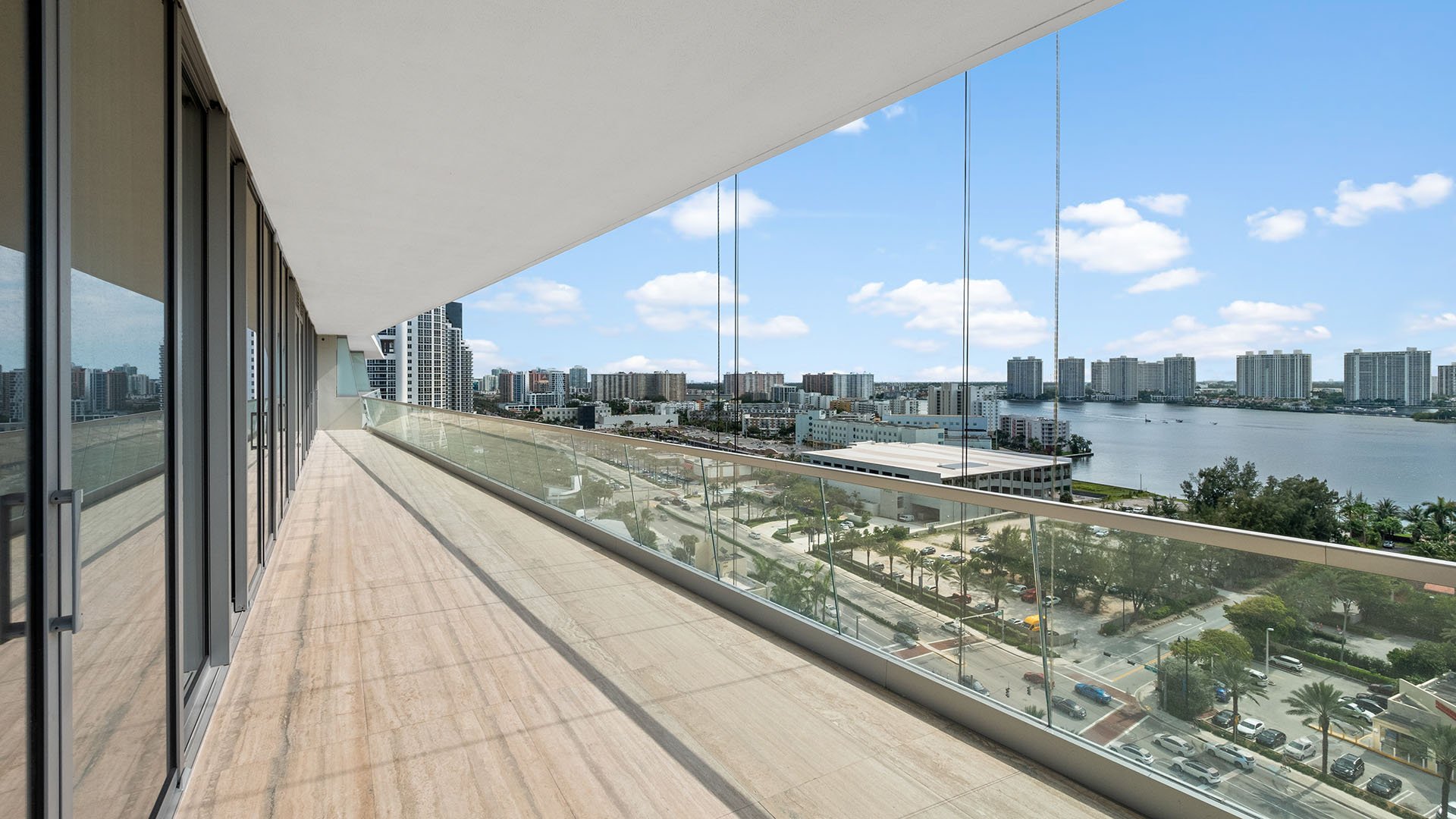
In Sunny Isles Beach, a rigorous purchase analysis extends beyond architecture, elevation, and the horizon. Buyers should treat insurability, flood considerations, and deductible exposure as part of the asset itself. The objective is not to predict every future cost, but to identify which obligations belong to the condominium association, which belong to the owner, and which remain subject to policy language, underwriting, financing, and personal risk tolerance.
That distinction should shape the search from the first serious tour. Whether considering Bentley Residences Sunny Isles or another waterfront address, request the insurance and association file early enough to inform negotiations. A beautiful residence can still demand a conservative ownership budget, particularly when separate policies, assessments, deductibles, and lender conditions intersect.
Request a coordinated package rather than reviewing documents in isolation. The working file should include current association insurance materials, policy declarations, deductible schedules, the association budget, recent financial statements, reserve information, relevant meeting minutes, pending assessment information, governing documents, and any available claims history that the seller or association is authorized to provide.
For the residence itself, obtain a unit-owner insurance indication based on the intended occupancy and ownership structure. A second-home buyer may present a different profile from a full-time resident or an owner contemplating permitted leasing. Disclose the intended use accurately, and ask the insurance professional to identify any open assumptions in writing.
When comparing St. Regis® Residences Sunny Isles with other candidates, organize documents by effective date. A certificate, budget, quote, or summary can become stale, and a polished overview is no substitute for operative terms. Counsel, the insurance adviser, the lender, and the condominium specialist should all review the same current set.
Never infer unit coverage from the existence of an association policy. Request a plain-language allocation of responsibility for interiors, improvements, fixtures, personal property, temporary living costs, liability, water-related events, and every other material category. Then confirm that explanation against the governing documents and proposed unit policy.
The central question is straightforward: if a covered event affects both the tower and the residence, where might the association’s protection end and the owner’s responsibility begin? The answer should be documented, not assumed from convention or sales language. This distinction is particularly important when a home includes customized finishes, built-ins, art, technology, or an extensively furnished balcony.
A review of Jade Signature Sunny Isles Beach or any comparable oceanfront property should therefore include both master-policy analysis and a residence-specific coverage discussion. Buyers should also ask how loss assessment coverage is proposed to respond, recognizing that actual outcomes depend on policy wording, limits, exclusions, and the nature of the assessment.
Do not reduce flood diligence to a single map label. Confirm the applicable designation for the specific property through the professionals handling the transaction, then determine what it means for the lender, association, unit owner, and proposed insurance program. Clarify whether flood coverage is included, separate, required, optional, limited, or still under review at each relevant layer.
Elevation within a tower is not a complete answer. A high-floor residence may still depend on common infrastructure, access, utilities, elevators, parking, mechanical systems, and association finances. The useful inquiry is not merely whether water could reach the living room, but how an event could affect occupancy, services, common property, assessments, and recovery time.
For Turnberry Ocean Club Sunny Isles and other coastal options, place flood and wind questions side by side in the comparison matrix without conflating them. Ask the adviser to explain the proposed response to each peril separately and identify any gaps requiring another policy or a different limit.
Percentages can feel abstract during a luxury purchase. Require every deductible to be translated into a dollar amount using the value base specified in the policy or quote. Then determine who may bear that amount, how it could be funded, and whether the owner’s coverage is designed to address any eligible share.
Model more than the annual premium. A prudent ownership worksheet can include the unit premium, separately quoted coverage, association insurance embedded in common charges, potential out-of-pocket deductibles, uncovered upgrades, temporary occupancy costs, and a liquidity reserve. This exercise does not forecast a loss; it tests whether the acquisition remains comfortable under less favorable conditions.
Deductible review also belongs in the investment analysis. Compare candidate properties by total risk-adjusted carrying exposure rather than headline premium alone. A lower premium is not necessarily superior until limits, exclusions, deductibles, valuation terms, occupancy assumptions, and insurer conditions have been reviewed side by side.
First, assemble the property and association documents. Second, obtain preliminary insurance guidance for the exact residence and intended use. Third, share the file with counsel and the lender, if financing is involved. Fourth, resolve inconsistencies in writing. Fifth, confirm final terms, binding requirements, payment timing, and effective dates before the contractual deadline.
The purchase agreement should provide a realistic review window, drafted by qualified counsel for the transaction. Calendar every association, inspection, financing, insurance, and closing milestone rather than relying on a general due-diligence date. If a material document changes, ask the appropriate adviser whether the review must be refreshed.
Before closing, request confirmation that the selected coverage can take effect when ownership transfers. Verify named insureds, ownership entity, occupancy, mailing information, mortgagee details where relevant, and any required inspections or documentation. Retain the final policy materials, governing documents, quotes, approvals, and correspondence in a permanent digital file.
The right result is not necessarily the residence with the simplest insurance profile. It is the property whose obligations are sufficiently understood, professionally reviewed, and comfortably funded. In a market defined by design and discretion, disciplined risk review protects optionality: the ability to enjoy the home, retain it through changing conditions, or sell without discovering avoidable issues late in the process.
Is an association policy enough for a condo buyer? Do not assume so. Review the association policy, governing documents, and proposed unit-owner coverage together with qualified advisers.
Should I request an insurance quote before signing a contract? Seek preliminary guidance as early as practical, then use the contractual review period for property-specific confirmation.
Does a higher floor eliminate flood concerns? Do not treat floor height as a complete risk conclusion. Review common systems, access, services, association exposure, and policy terms.
How should I compare wind deductibles? Request every deductible in both percentage and dollar terms, including the value base used for the calculation.
What association records matter most? Review current insurance materials, budgets, financial statements, reserves, meeting minutes, governing documents, and assessment information with advisers.
Can insurance affect financing? Insurance can form part of a lender’s property and closing review. Confirm requirements directly with the lender before deadlines expire.
Should cash buyers perform the same review? Yes. The absence of lender conditions does not remove ownership exposure or the need for informed risk budgeting.
How should customized interiors be handled? Document improvements and discuss replacement assumptions, limits, exclusions, and valuation treatment with the insurance professional.
What should be rechecked just before closing? Confirm effective dates, insured names, ownership structure, occupancy, lender details, payment, and any outstanding binding conditions.
Who should coordinate the review? The buyer should align qualified legal, insurance, lending, inspection, and condominium professionals around one current document set.
For a discreet conversation and a curated building-by-building shortlist, connect with MILLION.
If branded residences are on your mind — as a home or as an allocation — we would be glad to share what we are seeing, privately.
Begin a quiet conversation