A contract-level guide to arbitration, venue, forum selection, and dispute costs when evaluating a luxury waterfront residence in Sunny Isles Beach.
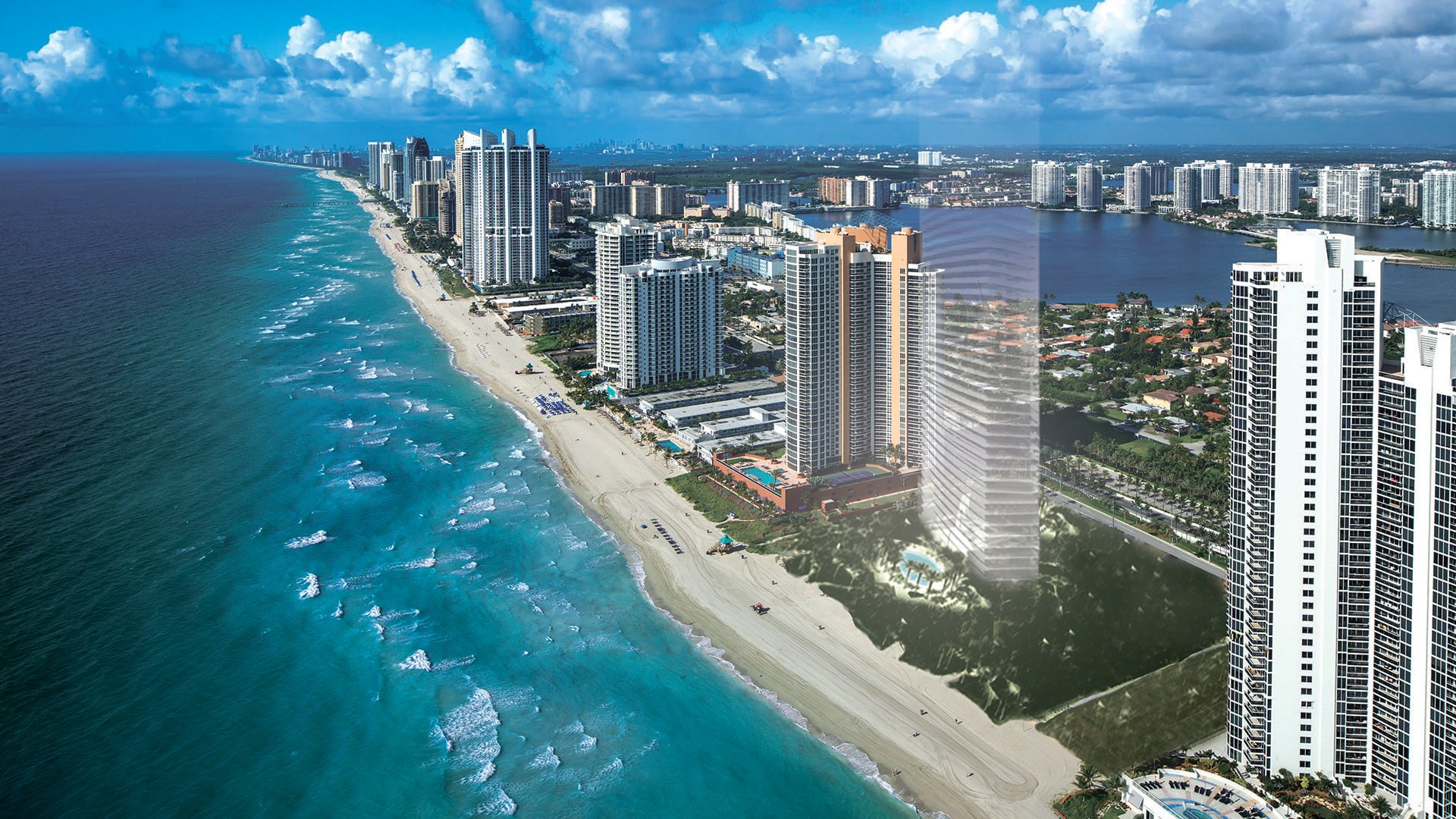
A waterfront residence in Sunny Isles Beach is often evaluated through architecture, views, privacy, service, and long-term desirability. The transaction documents warrant equal scrutiny. A dispute-resolution clause can determine not only whether a disagreement proceeds in court or arbitration, but also where it is heard, which rules apply, who pays initially, and whether one side may ultimately recover attorney’s fees.
That review matters across established and newer oceanfront options, from Armani Casa Sunny Isles Beach to Bentley Residences Sunny Isles. The relevant language may appear in the purchase and sale agreement, an addendum, an arbitration rider, or the recorded condominium declaration and bylaws. Buyers should read these documents together rather than assume a single clause governs every possible claim.
The cost of a dispute begins with the language that decides where and how it will proceed.
Governing law, jurisdiction, venue, and arbitration are related but distinct. A choice-of-law provision identifies the law intended to govern the contract. It does not automatically select a court or require arbitration in that state. Language choosing Florida law is distinct from language establishing Florida as the place of arbitration.
Jurisdiction concerns a court’s legal authority over the parties and the dispute. Selecting Florida as a forum does not necessarily establish personal jurisdiction over a nonresident defendant without an independent basis. Venue defines the geographic or institutional location for a court proceeding. Arbitration, by contrast, moves covered claims to a private adjudicative process governed by the contract and applicable law.
The practical exercise is to identify each concept in the documents and organize it in a one-page matrix. Record the governing law, arbitration administrator and rules, arbitration seat, physical hearing location, selected court, fee provisions, and rights to seek temporary or emergency relief. Any blank or conflict warrants clarification before execution.
Forum-selection clauses are generally presumed valid and enforceable unless the party resisting enforcement shows that a clause would be unreasonable, unjust, or affected by fraud or overreaching. A gravely inconvenient or unfair forum may be challenged when enforcement would effectively deprive a party of its day in court, but inconvenience alone should not be viewed as an easy escape.
Wording is decisive. Language stating that claims “shall” or “must” be brought “exclusively” in a selected forum is more likely to be mandatory. Language merely consenting to jurisdiction or venue may be permissive, leaving room to file elsewhere when other requirements are met. Filing outside a valid mandatory forum can result in dismissal or transfer before the merits are reached, adding delay and expense.
A geographic designation also differs from a named tribunal. A clause selecting Miami-Dade County generally allows filing in any court within the county that otherwise has jurisdiction, unless the contract identifies a particular state or federal court. Forum selection is a contractual obligation, not language that removes a court’s subject-matter jurisdiction. Counsel should therefore test both the clause’s exclusivity and the selected court’s actual authority.
Arbitration does not make courts irrelevant. A party may need a court to compel or stay arbitration, address interim relief, or handle proceedings involving an arbitral award. The arbitration agreement may select one location for arbitration while choosing a different venue for related court applications.
For a buyer comparing Jade Signature Sunny Isles Beach with St. Regis® Residences Sunny Isles, the inquiry is document-specific: Which disputes are covered, which parties are bound, and where does each procedural step occur? Never assume the arbitration seat, hearing location, and court venue are identical.
The scope clause is equally important. Arbitration may cover every dispute arising from the transaction or only categories such as closing performance, disclosures, construction defects, title matters, or association governance. Review whether claims against brokers, contractors, affiliates, association officers, or other non-signatories fall within the language. Also verify who selects the arbitrator, whether emergency relief is available, and whether hearings may occur remotely or must be conducted in person.
The visible filing charge is only the entry point. Under Florida’s condominium alternative-dispute-resolution framework, a qualifying petition must be accompanied by a $50 filing fee. Under the HOA statute, a petitioner in an applicable arbitration must initially remit at least $200 to the department. These regimes apply to specified disputes, so counsel must first determine whether the property, parties, and claim fall within the relevant statute.
The larger budget may include attorney time, arbitrator or mediator compensation, administration charges, experts, discovery, document management, travel, hearing space, and enforcement proceedings. For disputes subject to Chapter 720 presuit mediation, the parties generally share mediator fees and other mediation costs equally unless they agree otherwise. In applicable Chapter 720 arbitration, departmental fees are recoverable costs, and the prevailing party may recover reasonable costs and attorney’s fees in an amount determined by the arbitrator.
Investment and second-home buyers should also model practical friction. A proceeding outside South Florida can require repeated travel, local counsel, witness coordination, and time away from business. Even a Miami-Dade County forum can generate preliminary motion practice if the contract is unclear about exclusivity, arbitration, or the court authorized to hear arbitration-related requests.
For readers who treat legal review as part of sophisticated buyer’s guides, the following questions provide a disciplined starting point:
Does the agreement require arbitration, permit it, or remain silent?
Which claims, parties, addenda, and association documents are covered?
Which administrator and procedural rules govern the arbitration?
What are the legal seat, hearing location, and exclusive court venue?
Does “Miami-Dade County” select a county or a particular court?
May either party seek injunctions or other interim relief in court?
Who advances filing, administration, arbitrator, mediator, and expert costs?
Is there a prevailing-party attorney-fee provision?
Do the purchase contract and condominium documents conflict?
What notice, mediation, or other steps must occur before filing?
The objective is not to predict conflict. It is to prevent ambiguity from becoming the first dispute. A Florida attorney should review the actual documents because enforceability turns on exact wording, the identities of the parties, jurisdictional facts, and the nature of the claim.
At the luxury level, contractual precision is a form of risk management. A beautiful residence can still carry an inefficient dispute framework. Before committing, request the complete contract package, reconcile every dispute provision, and estimate a realistic downside budget rather than focus on headline filing fees. That discipline supports a more informed Sunny Isles Beach acquisition and helps preserve the discretion sophisticated owners value.
For a private conversation about Sunny Isles Beach opportunities and acquisition priorities, connect with MILLION.
If branded residences are on your mind — as a home or as an allocation — we would be glad to share what we are seeing, privately.
Begin a quiet conversationFlorida courts generally presume such clauses valid unless enforcement is shown to be unreasonable, unjust, or affected by fraud or overreaching.
Exclusive terms such as “shall,” “must,” or “exclusively” tend to indicate a mandatory forum rather than mere consent to venue.
No. Choice-of-law language does not automatically select a forum or establish Florida as the place of arbitration.
Not necessarily. A court may still require an independent basis for personal jurisdiction over a nonresident defendant.
It generally permits an otherwise competent court within the county unless the contract identifies a particular state or federal court.
Yes. Courts may still address motions to compel or stay arbitration, interim relief, and proceedings involving an award.
No. The agreement may distinguish the legal seat, physical hearing location, and venue for related court proceedings.
A qualifying petition under Florida’s condominium alternative-dispute-resolution statute must include a $50 filing fee.
Under the applicable Chapter 720 process, the petitioner must initially remit at least $200 to the department.
The broader exposure may include lawyers, mediators, arbitrators, experts, administration, travel, and possible prevailing-party fees and costs.