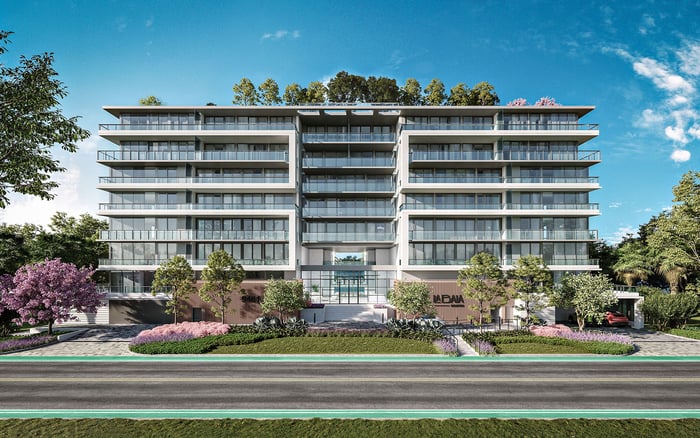
A disciplined framework for evaluating three Bay Harbor Islands residences through the practical lenses of service delivery, residential privacy, and total ownership cost.

A useful comparison among La Baia North Bay Harbor Islands, Onda Bay Harbor, and The Well Bay Harbor Islands should extend beyond design preferences. Buyers can examine how each residence is expected to operate day to day, how shared and private spaces are managed, and which expenses may accompany ownership.
These subjects are connected. A broader service program may add convenience while affecting operating requirements. An extensive amenity offering may improve the residential experience while introducing maintenance considerations. The objective is not to rank marketing claims, but to compare the ownership structures disclosed in current project documents.
Service descriptions become meaningful only when buyers understand who provides each service, when it is available, how residents request it, and how it is funded. Similar labels can represent different operating arrangements, so each project should be evaluated on its own documentation.
Useful questions include whether a service is continuously available or scheduled, whether guests receive the same access as residents, whether reservations are required, and whether charges apply. Buyers should also ask how service standards may be changed after turnover and which decisions are controlled by the association.
A comparison worksheet can separate core building operations from optional conveniences. This prevents a long list of offerings from obscuring the services an owner is most likely to use.
Privacy depends on more than a residence being described as exclusive or boutique. Buyers should review elevator circulation, access controls, guest authorization, delivery procedures, staff access, rental restrictions, and rules for shared spaces.
Floor plans can help identify how residents, visitors, vendors, and service personnel move through a property. Governing documents and operating policies can clarify who may enter amenities, how guests are registered, and whether exclusive-use areas carry separate responsibilities.
The relevant standard is practical: does the access system support the buyer’s preferred balance of convenience and separation? A household that entertains frequently may evaluate guest procedures differently from an owner who prioritizes limited traffic near the residence.
A quoted recurring charge is only one part of an ownership analysis. Buyers should request current project materials addressing the proposed budget, reserves, insurance allocations, management, utilities, staffing, and any assumptions used in early operating projections.
The next step is to identify costs that may be optional, usage-based, separately billed, or subject to future association decisions. Parking, storage, charging, transportation, private programming, and waterfront-related services are examples of categories to investigate where applicable; their availability or fee treatment should not be assumed.
A sound model distinguishes predictable recurring obligations from discretionary spending and uncertain future costs. It should also reflect the owner’s intended use. A primary resident, seasonal owner, and frequent traveler may assign very different value to the same operating program.
Any benefit that influences a purchase decision should be confirmed in the applicable contract, disclosure, rules, or governing documents. Buyers should examine duration, eligibility, scheduling, transferability, usage limits, cancellation provisions, separate charges, and treatment upon resale.
This approach applies to transportation, parking, storage, wellness programming, hospitality-style services, waterfront access, and other promoted benefits where relevant. Sales language can introduce a feature, but current documents establish the terms a buyer should rely upon.
For each project, request the available offering materials, proposed association budget, current fee schedule, staffing information, guest policies, parking and storage terms, and other rules relevant to the buyer’s intended use. Legal and financial professionals can then review obligations, restrictions, and assumptions within their respective areas of expertise.
A three-column worksheet can classify items as included, optional, or requiring confirmation. Buyers can then compare value according to likely use rather than the length of an amenity or service list. The strongest fit is the residence whose documented operating structure, privacy controls, and cost profile best align with the owner’s priorities.
What is the first service question a buyer should ask? Ask exactly what is provided, when it is available, who delivers it, and how it is funded.
Do similar service labels guarantee similar coverage? No. Buyers should compare schedules, scope, access conditions, and applicable charges in current documents.
How can buyers compare privacy among the three projects? Review circulation plans, access controls, guest procedures, delivery rules, rental restrictions, and shared-space policies.
Why should elevator circulation be reviewed? It can show how residents, guests, staff, and vendors move between entrances, amenities, and residential floors.
Which ownership costs deserve review? Examine recurring charges, reserves, insurance allocations, utilities, management expenses, and any optional or usage-based fees.
How should optional benefits be evaluated? Confirm eligibility, duration, reservation requirements, usage limits, separate costs, and transferability.
What documents support a useful comparison? Request available offering materials, budgets, fee schedules, governing documents, policies, and relevant contract exhibits.
Why separate included and optional services? The distinction helps buyers estimate total cost and avoid assigning value to benefits they may rarely use.
Should buyers rely on a promoted benefit without document review? No. Any material benefit should be verified in the current documents applicable to the purchase.
What ultimately defines the best choice? The best fit aligns documented service, privacy, and cost provisions with the buyer’s actual habits and priorities.
For a tailored shortlist and next-step guidance, connect with MILLION.
If branded residences are on your mind — as a home or as an allocation — we would be glad to share what we are seeing, privately.
Begin a quiet conversation