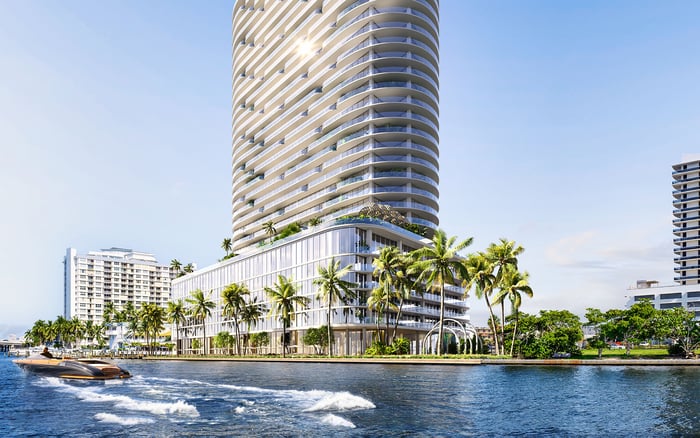
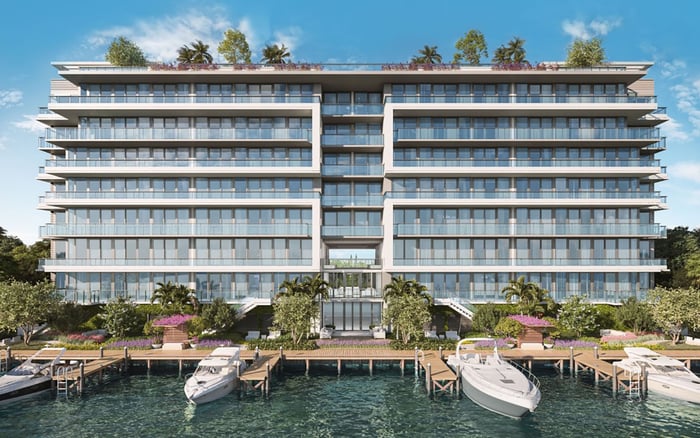
La Baia North’s planned wellness amenities invite a closer ownership review. Before relying on private training, convenient reservations, or acoustic privacy, buyers should secure the written rules and technical specifications that define those expectations.
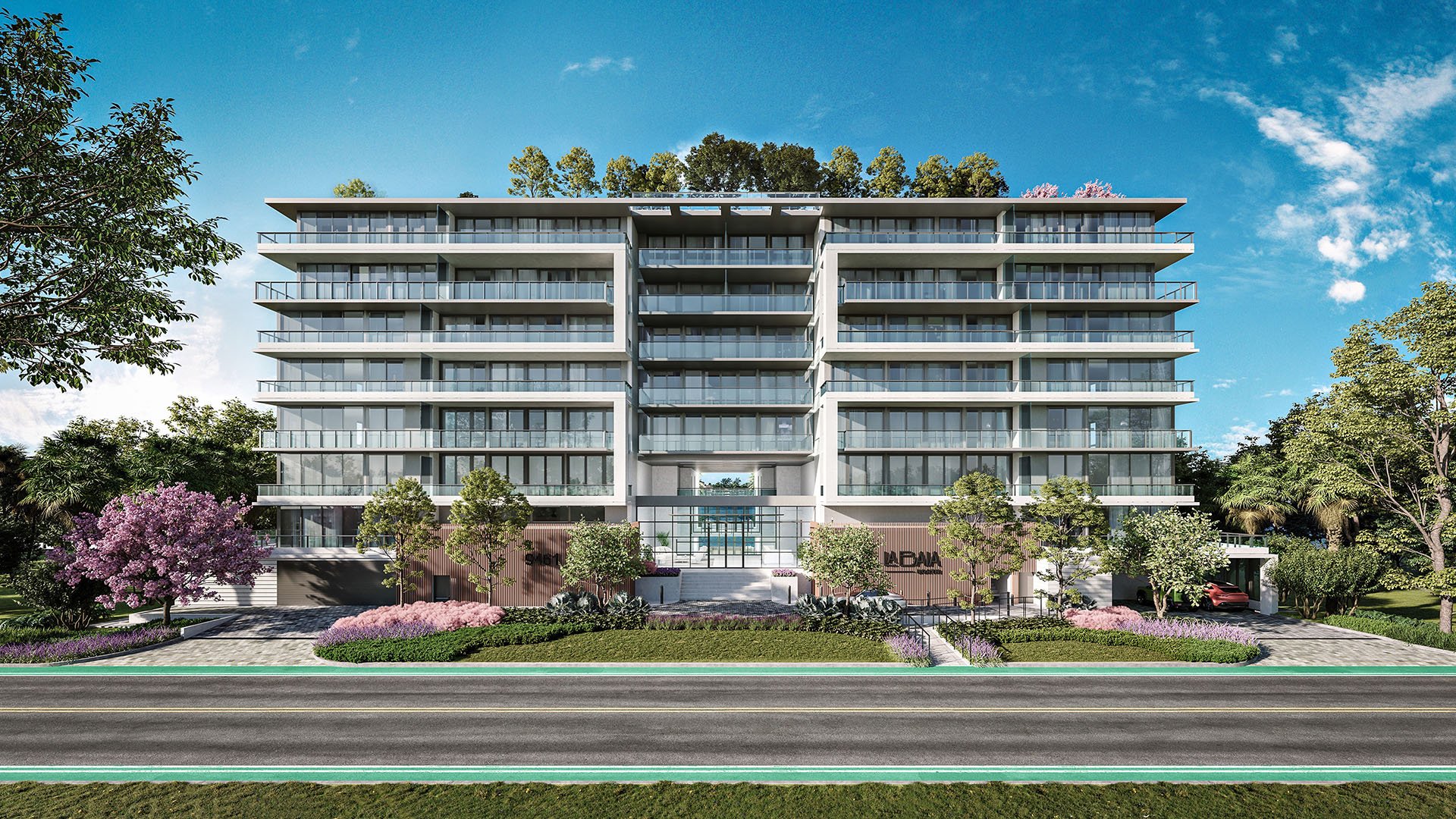
For a buyer at La Baia North Bay Harbor Islands, the central wellness question is not simply whether the building includes a gym. It is whether that space will accommodate a familiar training schedule without compromising the privacy and quiet expected at home. A planned amenity and a defined right to use it are different things.
Continuum Company is developing the eight-story, 57-residence condominium at 9481 East Bay Harbor Drive, Bay Harbor Islands, Florida 33154. The project is under construction, rather than an operating residential building. Its planned wellness offering addresses physical and mental fitness and includes a dedicated fitness center with cardio and weight-training equipment.
That establishes the intended amenity, but not its operating framework. Reservation procedures, outside-trainer permissions, and quantified acoustic performance remain publicly unconfirmed. This does not mean policies or specifications do not exist. It means buyers should obtain them before treating a preferred routine as an ownership entitlement.
Start with a precise distinction: access to a fitness center does not necessarily include the ability to reserve it. Whether residents may book the entire room, a training area, or individual equipment remains publicly unconfirmed. The same applies to booking software, advance-booking windows, cancellation rules, session limits, and peak-period requirements.
Request a written reservation policy that explains exactly what a booking secures. A buyer who trains before work needs to know whether recurring appointments are possible, whether other residents retain access during those appointments, and whether household members share a booking allowance. None of these arrangements should be assumed.
Ask for the following points to be addressed together:
Operating hours, staffing, age restrictions, and any designated fitness operator.
Household privileges, guest access, and rules for accompanied visitors.
Peak-period availability, session duration, and advance-booking limits.
Cancellation deadlines, no-show treatment, and any reservation or access fees.
For buyers also considering The Well Bay Harbor Islands, the comparison should begin with each property's written terms-not an assumption that wellness-oriented amenities carry equivalent privileges. At La Baia North, even the basic distinction between shared access and exclusive use requires confirmation.
Before asking which credentials a personal trainer needs, establish whether outside trainers are permitted at all. That permission, any management-approval requirement, and the existence of an approved-vendor list remain publicly unconfirmed at La Baia North.
For an owner with a longstanding trainer, this distinction matters. The ability to invite someone into a residence does not establish that the same person may conduct paid sessions in a common-area fitness room. Request separate answers for in-residence appointments and common-area training, including any limits on guests, scheduling, or commercial activity.
Requirements for trainer certification, liability insurance, CPR/AED credentials, background checks, business licensing, and workers’ compensation are not publicly specified. These are diligence questions, not established La Baia North conditions.
A useful written response would identify accepted credentials, applicable insurance minimums, the approval process, renewal obligations, and any access fees. It should also explain who authorizes entry and how a trainer's approval is recorded. If maintaining an existing training relationship is essential to the purchase, secure that clarity rather than rely on verbal assurances.
Acoustic comfort deserves the same documentary attention as access. Quantified STC, IIC, NIC, and other airborne- or impact-sound performance ratings are not publicly specified. Buyers should therefore not attach a numerical sound-isolation promise to the planned fitness amenity or the residences.
Request specified acoustic targets, relevant assembly specifications, the acoustic consultant's scope, and any available testing records. Ask which spaces and assemblies those documents address, and distinguish design targets from completed test results. Neither a general description of quiet living nor a project-reference listing establishes tested performance for a particular residence.
For the fitness center, request details on equipment isolation and the treatment of exercise areas. Ask how the proposed controls address equipment vibration, weights, music, and activity near adjoining residential spaces. These are questions to resolve, not assertions that the building has a noise problem.
Connect acoustic expectations to the specific La Baia North residence under consideration. Request plans showing its relationship to amenity spaces and relevant mechanical areas, then seek a technical explanation of the proposed separation. The question is not simply whether acoustic treatment exists, but what it is intended to achieve at that location.
La Baia North's planned amenity program extends beyond the fitness room. More than 20,000 square feet of amenities are planned, including a rooftop deck, heated spas, a sunset lounge with a firepit, and outdoor recreational spaces. The program also includes a private marina, resident boat slips, a water-sports launch dock, business and study areas, a children's splash pad, and a play lawn.
Consider these spaces together in the ownership review. Request rooftop and pool-deck controls, quiet hours, and the procedure for documenting and resolving noise complaints. Ask who handles a complaint, what investigation can follow, and how any required remediation is managed. These operating details are distinct from construction specifications; buyers should request both.
If Bay Harbor Towers is also on the shortlist, maintain a separate document file for it. A neighborhood comparison can sharpen priorities, but another property's amenity rules cannot establish La Baia North's obligations.
The core file should contain the current declaration, bylaws, rules and regulations, offering exhibits, finish schedules, and architectural and mechanical specifications. Add the written fitness policy, trainer-access requirements, acoustic specifications, and any testing records supplied. Have counsel distinguish binding provisions from proposed arrangements and explain how operating rules may change.
Financial expectations deserve the same precision. Residence-specific monthly HOA figures include $2,559 for residence 302 and $3,186 for residence 403. Neither figure establishes a building-wide budget or confirms that every fitness-related service is included. Request the current charges for the selected residence and clarify any separate fees.
The purchase decision should rest on what is documented for this condominium and this residence. Do not import rules from La Baia South or unrelated properties. The objective is straightforward: a training routine, access arrangement, and acoustic expectation supported by the ownership documents rather than inferred from the amenity description.
For a discreet review of La Baia North within your South Florida property search, connect with MILLION.
If branded residences are on your mind — as a home or as an allocation — we would be glad to share what we are seeing, privately.
Begin a quiet conversationLa Baia North is located at 9481 East Bay Harbor Drive, Bay Harbor Islands, Florida 33154.
The project is under construction, rather than an operating residential building. Continuum Company is developing it as an eight-story condominium with 57 residences.
Yes. The planned wellness offering includes a dedicated fitness center with cardio and weight-training equipment.
Whether residents can reserve the entire room, training areas, or specific equipment remains publicly unconfirmed. Buyers should request written confirmation of what a reservation secures.
Operating hours, advance-booking windows, session limits, and cancellation rules remain publicly unconfirmed. Request the current written operating policy.
Outside-trainer permission is not publicly established. Buyers should seek separate confirmation for in-residence sessions and common-area training.
Trainer certification, insurance, CPR/AED, background-check, licensing, and workers’ compensation requirements are not publicly specified. Ask for the applicable approval requirements in writing.
Quantified STC, IIC, NIC, and comparable sound-performance ratings are not publicly specified. Request acoustic targets, assembly specifications, and any available testing records.
Residence-specific figures include $2,559 for residence 302 and $3,186 for residence 403. These are not a building-wide budget and should be reconfirmed for the selected residence.
Request the current declaration, bylaws, rules and regulations, offering exhibits, finish schedules, and architectural and mechanical specifications. Include written fitness and trainer policies, acoustic specifications, and any testing records supplied.