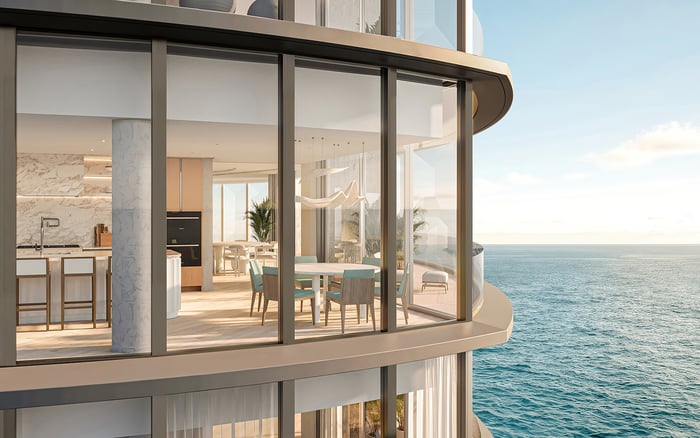
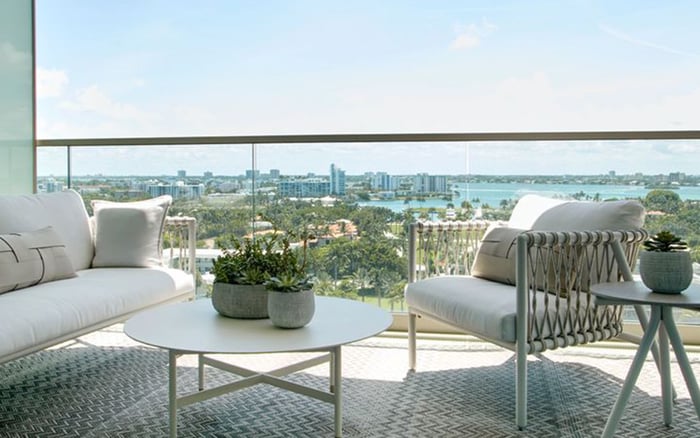
At Oceana Bal Harbour, thoughtful diligence extends beyond views and finishes. A buyer’s checklist for humidity control, water-event documentation, inspection and second-home oversight helps put coastal ownership on a sound footing.
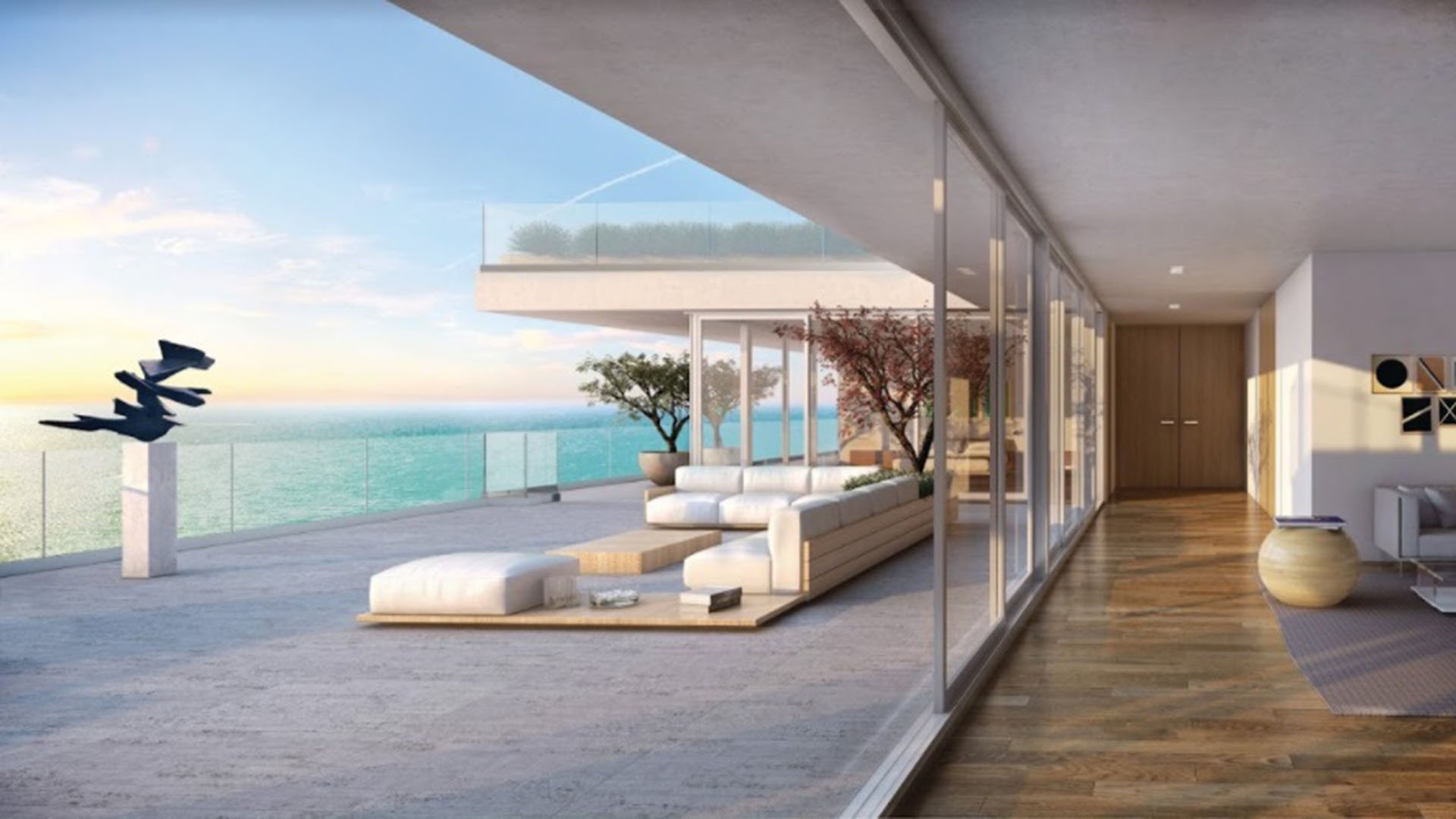
At Oceana Bal Harbour, the appeal begins with an oceanfront address at 10201-10203 Collins Avenue and floor-through residences oriented toward the Atlantic Ocean, Biscayne Bay and surrounding landmarks. Floor-to-ceiling glass, generous terraces and direct beach access establish the setting. Private elevator lobbies and ceilings of at least 10 feet complete the sense of arrival.
One distinction matters from the outset: Oceana was built in 2017. It is not a newly delivered condominium. The broader lesson applies equally to newly delivered coastal residences: a purchase decision should include a practical review of moisture management, rather than assume that age or presentation settles the question.
This is a buyer-diligence framework, not a finding of mold, water intrusion or protocol failure at Oceana. Its architecture and amenities are not evidence of a defect. The objective is to understand how the specific residence is maintained and how a water event would be handled.
Oceana’s separate oceanside pools for laps and recreation, two championship clay tennis courts and professional spa define the lifestyle. Moisture protocols address a different question: how that experience is supported between visits, through routine maintenance and when immediate attention is required.
A polished showing should begin the inquiry, not conclude it. Ask the seller and management to distinguish residence-specific maintenance from building-level procedures. Establish which questions each can answer, and request documentation rather than relying solely on verbal reassurance.
For a buyer also considering Rivage Bal Harbour, the same questions provide a consistent framework for comparison. Compare the clarity of the answers available for each purchase without assuming equivalent systems, histories or responsibilities.
Keeping indoor relative humidity below 60% helps prevent mold. This is a moisture-management benchmark, not a guarantee or a substitute for investigating a leak. Air conditioning and dehumidifiers help control moisture; the relevant question is whether the residence’s operating plan manages humidity effectively.
Ask how indoor humidity is measured, who checks it and what happens when readings rise. If monitoring information is available, review it with the inspector alongside the maintenance history. Request an explanation of how air conditioning and any supplemental dehumidification are intended to operate during both occupancy and vacancy.
Do not treat a single thermostat setting as a universal safeguard. Focus instead on measured humidity and the equipment’s ability to maintain appropriate conditions. Leave this stage with an operating plan, not simply a temperature recommendation.
During the condominium inspection, ask directly about leaks, past water damage and visible signs of mold. Keep the questions neutral and specific. If there was a previous event, establish what occurred, what work followed and whether the underlying moisture issue was addressed.
A practical request set includes:
Any disclosed history of leaks or water damage affecting the residence.
Available documentation identifying the moisture source and corrective work.
Available drying records and follow-up assessments after water exposure.
Maintenance information relevant to the residence’s moisture-control equipment.
Use these materials to focus the inspection. Ask the inspector which observations warrant further evaluation and which questions remain unresolved. Fresh decoration is proof of neither a problem nor its absence. The goal is a coherent account of condition and maintenance, supported by the information available for the transaction.
Wet materials should be dried within 24-48 hours after water exposure to reduce the likelihood of mold growth. That prevention window makes response logistics an important part of diligence. Knowing whom to contact is useful; understanding how access and action are arranged is better.
Request the applicable water-event or mold-response procedure. Ask who receives the initial notification, how the owner is contacted and how entry is coordinated when the residence is unoccupied. Clarify how appropriate professionals would be engaged and how their findings and work would be documented.
Ask, too, how responsibility is determined when an event involves both a residence and building components. Have your advisers review the applicable documents rather than assume where responsibility begins and ends. A clear explanation should identify decision-makers and next steps without promising that every incident will follow an identical path.
Moisture generated by showering and cooking should be vented outdoors. Ask the inspector to evaluate the relevant ventilation arrangements within the inspection’s scope and identify any questions requiring specialist attention. Attractive kitchens and bathrooms still deserve this straightforward operational review.
Oceana’s extensive glazing and large terraces are part of its appeal. Their presence does not establish water intrusion. Ask how relevant maintenance and inspection responsibilities are assigned. Let observed conditions guide further inquiry, rather than assumptions about the architecture.
If your search extends to Fendi Château Residences Surfside, carry the same inspection brief with you. Consistent questions keep the comparison focused on each residence’s actual condition, rather than the confidence inspired by its finishes or address.
For an intermittently occupied residence, settle the operating plan before departure. Air conditioning should not be switched off simply because the unit is vacant. Moisture control remains relevant between visits, and measured humidity should guide discussions with the professionals maintaining the home.
Identify who will check the residence, who can authorize a response and how that person will reach you. Ask how humidity concerns or evidence of water will be communicated. Confirm access arrangements with management rather than assuming that a keyholder alone resolves every practical issue.
Keep the handoff concise: operating instructions, contact details, access permissions and an escalation sequence. For a seasonal owner, clarity is more useful than an elaborate document that nobody is responsible for following.
Before proceeding, review the inspection findings, available water-history documentation and proposed vacancy arrangements together with your advisers. Resolve unanswered questions on their merits. Where a condition requires further evaluation, seek it rather than treating general prevention guidance as a diagnosis or repair specification.
The strongest purchase decision respects both sides of coastal ownership: the pleasure of the residence and the discipline of maintaining it. At Oceana, that means appreciating the views and amenities while asking precise questions about the home you intend to acquire. A newly delivered residence elsewhere warrants the same checklist.
For a considered approach to South Florida’s exceptional residences, explore MILLION.
If branded residences are on your mind — as a home or as an allocation — we would be glad to share what we are seeing, privately.
Begin a quiet conversationNo. Oceana Bal Harbour was built in 2017; the checklist also applies to buyers evaluating newly delivered coastal residences.
Oceana Bal Harbour is an oceanfront condominium at 10201–10203 Collins Avenue in Bal Harbour, Florida.
No. It is a general buyer-diligence framework, not a finding of mold, water intrusion or a protocol failure at the property.
Keeping indoor relative humidity below 60% helps prevent mold. It is not a guarantee or a substitute for addressing a moisture source.
Yes. Air conditioning should not be switched off simply because the residence is vacant; the operating plan should continue to address moisture control.
No universal thermostat setting is established here. Focus on measured humidity and how the air conditioning and any dehumidification equipment manage moisture.
Wet materials should be dried within 24–48 hours after water exposure to reduce the likelihood of mold growth.
Ask about leaks, past water damage and visible signs of mold. Request available documentation of corrective work and discuss unresolved questions with the inspector.
Ask who receives notifications, coordinates access and engages appropriate professionals. Clarify how responsibility is determined and how the response is documented.
Showering and cooking generate moisture that should be vented outdoors. Buyers should ask the inspector to evaluate relevant ventilation arrangements within the inspection’s scope.