A 2026 buyer framework for comparing The Ritz-Carlton Residences® Palm Beach Gardens with oceanfront and city luxury alternatives across lifestyle, risk, cost, liquidity, and long-term resilience.
For South Florida luxury buyers, the defining 2026 decision may not be which tower delivers the most dramatic arrival sequence. It may be whether the life behind the purchase is beach, bay, or city. Each profile carries its own rhythm, risk logic, cost psychology, and resale audience. The answer is personal, but it should not be casual.
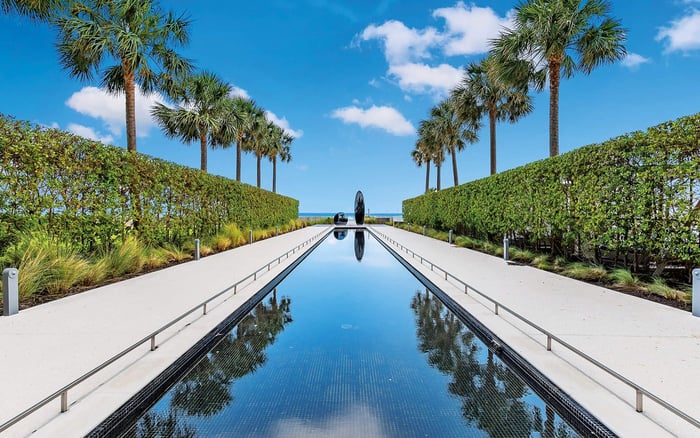
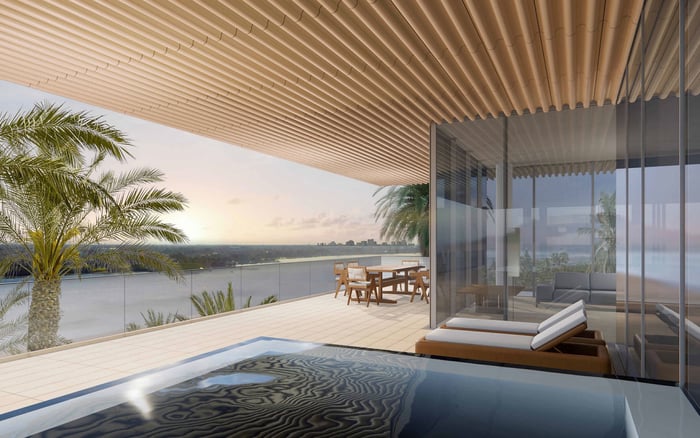
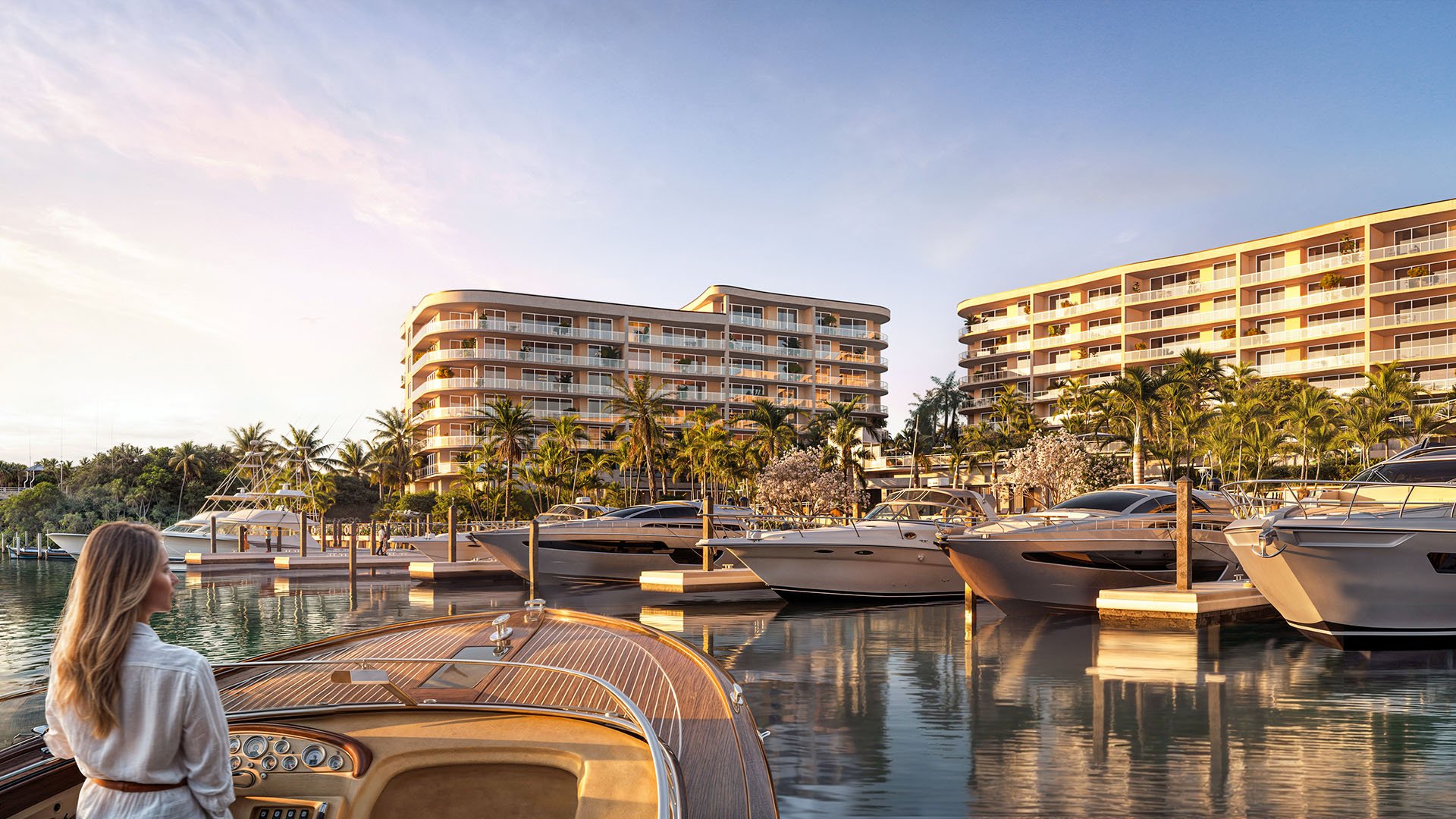
The Ritz-Carlton Residences® Palm Beach Gardens belongs at the center of that conversation because it is not a conventional beach condominium. It is a branded luxury residential offering in Palm Beach Gardens, associated with The Ritz-Carlton name, and best understood as a marina-oriented, Intracoastal-style alternative for buyers who want waterfront living without choosing direct oceanfront or dense downtown life.
That distinction matters. A buyer comparing Palm Beach Gardens with Miami Beach, Sunny Isles, West Palm Beach, or Brickell is not simply comparing views. The buyer is comparing privacy, access, resilience, social tempo, and how a residence will function across seasons.
The Ritz-Carlton Residences® Palm Beach Gardens is most compelling for the buyer who wants a waterfront identity but does not need sand at the lobby door. The bay or Intracoastal-style proposition is quieter, more residential, and more controlled than the classic resort-beach model. It also sits within Palm Beach Gardens, a distinct luxury submarket rather than an extension of downtown West Palm Beach or Miami-style urban living.
For this buyer, marina lifestyle is not a decorative phrase. It shapes the experience: arrival by water, protected views, a sense of privacy, and a more measured daily cadence. Waterview becomes part of the residence’s character, but not in the same way as a direct oceanfront home, where the beach itself is the central amenity and the horizon dominates the ownership narrative.
The bay buyer is often drawn to balance. There is waterfront atmosphere, but not necessarily the constant public energy of a beach corridor. There is convenience, but not the density of a downtown tower district. For high-net-worth buyers seeking Palm Beach County luxury exposure with a non-oceanfront waterfront profile, that middle position can feel especially intelligent.
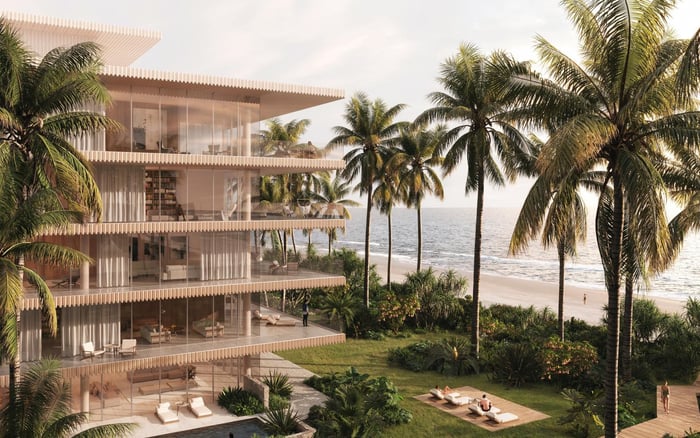
Direct beachfront living remains one of South Florida’s most emotionally powerful real estate propositions. It is visual, sensory, and immediately legible to guests, renters, and future buyers. The value proposition is direct: step outside, and the beach is the lifestyle.
For buyers considering Miami Beach or Sunny Isles, projects such as The Perigon Miami Beach and St. Regis® Residences Sunny Isles represent a different ownership lens from Palm Beach Gardens. The beach profile prioritizes direct coastal presence. It may suit owners who want a resort cadence, a recognizable vacation address, and the prestige of true ocean proximity.
The trade-off is sharper exposure. Beachfront buyers should think carefully about weather, maintenance sensitivity, insurance psychology, building standards, and how future buyers may evaluate coastal risk. None of these considerations erase the appeal of oceanfront living, but they make due diligence more important. In 2026, the best beach purchases are not merely beautiful. They are the ones whose long-term ownership profile still feels rational after the first emotional reaction fades.
City living answers a different question: how much of your life do you want downstairs or within a short ride? In Brickell, Downtown Miami, and West Palm Beach, the luxury proposition is less about retreat and more about access. Restaurants, offices, cultural venues, private clubs, and social infrastructure shape the value of the address.
A buyer studying Baccarat Residences Brickell is likely weighing vertical city living, brand association, and walkable convenience in a way that differs from the Palm Beach Gardens waterfront buyer. Likewise, The Ritz-Carlton Residences® West Palm Beach speaks to those who want Palm Beach County access with a more urban frame than a marina-oriented residence.
City liquidity can be broad because the buyer pool may include executives, international owners, investors, and full-time residents who prioritize convenience. Yet urban luxury also requires tolerance of density, traffic, vertical living, and a more public daily environment. For a second-home buyer who comes to South Florida for decompression, that energy can be either a benefit or a liability.
The beach, bay, and city decision should be tested across five filters: lifestyle, risk, cost, liquidity, and long-term resilience. Lifestyle is the easiest to understand and the easiest to overvalue. Buyers know whether they love the beach, boating atmosphere, or urban access. The harder work is determining whether that preference will still feel right after several seasons of ownership.
Risk differs by profile. Beachfront ownership concentrates the conversation around coastal exposure and building durability. Bay and Intracoastal-style living may feel more sheltered in tone, but still requires disciplined review of waterfront conditions, association governance, and long-term capital planning. City living shifts risk toward density, competing supply, neighborhood evolution, and the owner’s tolerance for urban intensity.
Cost should be understood beyond purchase price. Carrying costs, insurance, association obligations, services, parking, maintenance, and usage pattern all influence the real cost of ownership. A residence used frequently can justify a different cost structure than one visited only a few times per year.
Liquidity is equally nuanced. Oceanfront has a global emotional vocabulary. City residences can attract a broad convenience-driven pool. Bayfront and marina-oriented homes may appeal to a more specific buyer, but specificity can be powerful when the product aligns with a scarce lifestyle. For The Ritz-Carlton Residences® Palm Beach Gardens, the key is not to compete with every beach or city alternative. It is to speak clearly to the buyer who wants serviced waterfront living with privacy, brand familiarity, and Palm Beach Gardens positioning.
The Palm Beach Gardens buyer is likely not trying to replicate South Beach, Brickell, or a traditional resort strip. This buyer may want calm, water, brand assurance, and a more discreet residential setting. The choice is especially relevant for those who want Palm Beach County exposure without committing to direct oceanfront or downtown intensity.
The Ritz-Carlton Residences® Palm Beach Gardens fits buyers who value privacy over spectacle, water access over beach crowds, and service over urban density. It is not the universal answer. It is the bay answer, and that clarity is its strength.
In 2026, the smartest buyers will resist the impulse to rank beach, bay, and city as if one is objectively superior. The more useful question is which risk and reward profile matches the way the owner lives. Beach is emotional and iconic. City is efficient and connected. Bay is composed, waterfront, and quietly strategic.
Is The Ritz-Carlton Residences® Palm Beach Gardens a beach condominium? It is better understood as a marina-oriented, Intracoastal-style luxury residence rather than a conventional beach condominium.
Who is the strongest buyer fit for this project? It suits high-net-worth buyers seeking Palm Beach County waterfront exposure with a serviced, non-oceanfront residential profile.
How does the bay lifestyle differ from direct oceanfront living? Bay living emphasizes privacy, boating atmosphere, and waterfront calm, while oceanfront living centers on immediate beach access and resort energy.
Why compare Palm Beach Gardens with city alternatives? Buyers often weigh waterfront privacy against walkable convenience, especially when considering West Palm Beach, Brickell, or other urban districts.
Is Brickell a comparable lifestyle to Palm Beach Gardens? Brickell is more urban, vertical, and convenience-driven, while Palm Beach Gardens offers a more residential waterfront profile.
What should 2026 buyers review before choosing beach, bay, or city? They should evaluate lifestyle fit, risk exposure, carrying costs, resale depth, and long-term resilience.
Does a branded residence change the decision? Brand association can support buyer confidence and service expectations, but it should still be evaluated alongside location and ownership costs.
Is oceanfront always more liquid than bayfront? Not always. Oceanfront has broad emotional appeal, while bayfront can be highly compelling to buyers seeking a specific waterfront lifestyle.
Can The Ritz-Carlton Residences® Palm Beach Gardens work as a second home? Yes, particularly for buyers who want a quieter waterfront base rather than a dense downtown or pure resort-beach environment.
What is the simplest way to choose among beach, bay, and city? Start with daily use: beach for immediacy, city for access, and bay for composed waterfront living with privacy.
For a discreet conversation and a curated building-by-building shortlist, connect with MILLION.
If branded residences are on your mind — as a home or as an allocation — we would be glad to share what we are seeing, privately.
Begin a quiet conversation