A practical framework for evaluating Coconut Grove residences through the demands of school entry, pediatric access, caregiver authorization, everyday transportation and emergency preparedness.
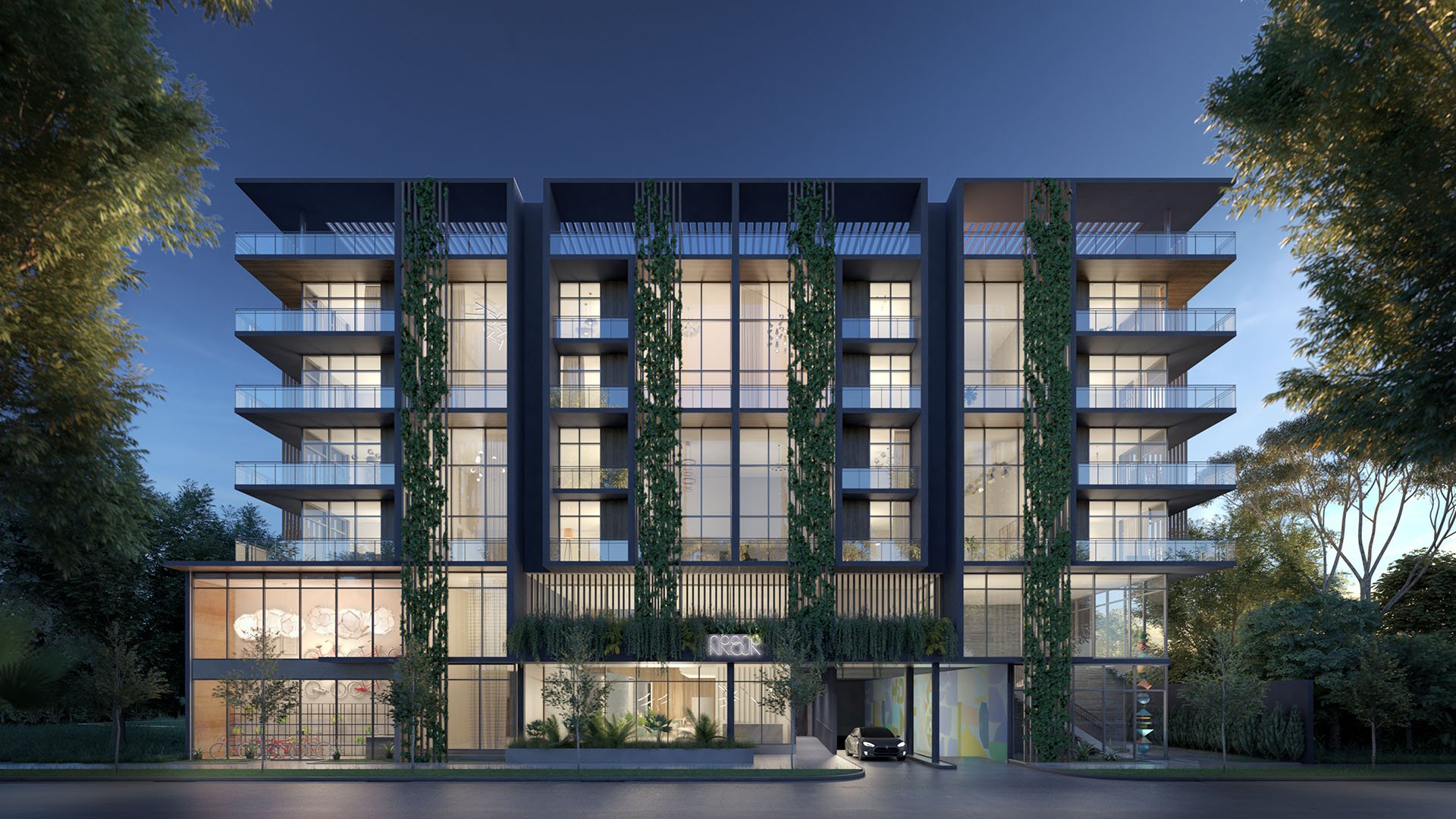
A Coconut Grove home should support more than a successful school morning. During private-school admissions season, the essential residential question is whether the household can function calmly when plans change: a child becomes ill, a caregiver is unavailable, or weather interrupts the usual journey.
The neighborhood’s private-school cluster includes Ransom Everglades, Carrollton School of the Sacred Heart and St. Stephen’s Episcopal Day School. That concentration makes school planning relevant to a residential search, but an address does not establish acceptance odds, transportation coverage or pickup privileges.
The residence-management test is a household due-diligence framework, not an admissions requirement or property certification. It evaluates four essentials: medical readiness, caregiver authority, everyday mobility and emergency contingencies. For a buyer considering Four Seasons Residences Coconut Grove, the question is not whether the name promises ease, but which arrangements can be confirmed for that household and address.
Ask each prospective private school which school-entry health-examination documentation it requires, including whether it accepts Form DH 3040 or an equivalent certification. Confirm the receiving school’s current submission requirements before building an enrollment calendar around an appointment.
Immunization paperwork deserves a separate check. School-specific requirements can include Florida Certification of Immunization Form DH 680 or a valid immunization exemption alongside school-entry health-examination documentation. Clarify the requirements with each prospective school rather than assuming every admissions office uses an identical checklist.
The household’s emergency record serves a different purpose. Keep current contacts, allergies, medications, insurance details and applicable consent-to-treat documentation accessible to authorized caregivers. Assign responsibility for updating the record and decide how a replacement caregiver will receive necessary information without unnecessary disclosure of private medical details.
For a relocating family, completing enrollment paperwork and establishing a usable care plan are separate tasks. Neither substitutes for the other.
Medical proximity matters only when the destination matches the need. Nicklaus Children’s Hospital provides 24-hour pediatric emergency care and houses the Miguel “Mike” B. Fernandez Family Pediatric Trauma Center at 3100 SW 62nd Avenue, Miami. Jackson Memorial Hospital, at 1611 NW 12th Avenue, Miami, is open 24 hours. That operating status alone does not establish the availability of every service.
For specialty care, UHealth Jackson Children’s Care has a Coconut Grove pediatric cardiology practice at 3659 S Miami Avenue, Suite 3002. A specialty office is not interchangeable with a pediatric emergency department, and its neighborhood designation does not establish after-hours access.
When evaluating Park Grove Coconut Grove, map relevant care destinations from the specific residence rather than relying on a general impression of centrality. Confirm the appropriate entrance and assess after-hours access as a planning exercise-not a promise of emergency travel time.
In an actual medical emergency, contact emergency services and follow professional direction rather than relying on a rehearsed drive. Residential planning should support that response, not replace it.
A trusted caregiver, an authorized school pickup contact and a properly credentialed transport provider are not automatically the same thing. Request applicable licensing, insurance and background-screening information, then confirm school pickup authorization directly with each school.
Miami-Dade requires drivers of private-school vehicles to hold a chauffeur’s registration or license. Do not apply that rule automatically to every household caregiver who drives a child. Clarify the service arrangement and applicable requirements before engaging a provider.
The residence adds another layer of coordination. Ask how an approved caregiver gains access, where a child and accompanying adult can wait, and how a last-minute substitution is handled. These are questions for property management, not services to presume from branding or an amenity description.
For a household reviewing Arbor Coconut Grove, rehearse the handoff: caregiver arrival, household notification, vehicle access and departure. Keep building access permission distinct from school authorization. Confirmation at one end does not establish permission at the other.
A residential tour reveals little about a school-day journey unless its timing reflects the intended routine. Test morning drop-off, afternoon pickup, a rainy-day alternative and after-hours hospital access from the actual departure point. Record the conditions without treating a single successful trip as a guaranteed travel time.
For each school, prepare a primary route, an alternate route, a designated pickup point, an authorized backup caregiver and a replacement-driver plan. Confirm pickup procedures with the school before rehearsing them. A route that reaches the campus is not necessarily an approved arrival arrangement.
The Coconut Grove trolley connects with Coconut Grove and Douglas Road Metrorail stations and provides access to parks, shopping areas and City Hall. Service runs Monday through Saturday, 6:30 a.m. to 11 p.m.; it is not a 24-hour option.
The Health District trolley serves Jackson Memorial Hospital, the University of Miami Health System, the VA medical center and Miami-Dade College’s Medical Campus. These connections can inform ordinary mobility planning, but they do not establish a direct school journey, guaranteed coverage or emergency reliability.
A school pickup alternative is not an evacuation plan. Review the two separately, particularly when a household member may need specialized transportation.
Miami-Dade’s Emergency Evacuation Assistance Program provides evacuation assistance to residents with specialized transportation needs. Confirm eligibility and registration requirements before treating it as an available household resource. County public-health preparedness also encompasses planning and response for all-hazards emergencies, but that broader function does not confirm a residence-specific arrangement.
When considering The Well Coconut Grove, ask property management about emergency communications, caregiver access during disruptions and procedures relevant to the household’s mobility needs. Seek clear answers rather than assuming a residential concept establishes medical support or evacuation capability. When an emergency occurs, reassess planned routes against current official instructions.
The final test is whether the plan works without one indispensable person. Can an authorized substitute locate the medical information, complete the school handoff and understand the transport backup? Can the household distinguish a routine inconvenience from a situation requiring emergency services?
Before committing to a residence, consolidate confirmed arrangements into a concise household reference. Identify unresolved permissions, untested alternatives and responsibilities that still need to be assigned. The objective is not perfect prediction. It is a home whose practical arrangements are as considered as its interiors.
For a discreet perspective on aligning your Coconut Grove residence with your household’s priorities, explore MILLION.
If branded residences are on your mind — as a home or as an allocation — we would be glad to share what we are seeing, privately.
Begin a quiet conversationNo. It is a household due-diligence framework for evaluating medical readiness, caregiver authority, transportation and emergency contingencies.
The cluster includes Ransom Everglades, Carrollton School of the Sacred Heart and St. Stephen’s Episcopal Day School. A nearby residence does not establish admission prospects or transportation coverage.
Ask the receiving school whether it requires Form DH 3040 or an equivalent school-entry health-examination certification. Confirm its current submission requirements before scheduling an appointment.
School-specific requirements can include Form DH 680 or a valid immunization exemption alongside school-entry health-examination documentation. Confirm each prospective school’s requirements separately.
Nicklaus Children’s Hospital provides 24-hour pediatric emergency care at 3100 SW 62nd Avenue, Miami. In an actual emergency, contact emergency services and follow professional direction.
Maintain current emergency contacts, allergies, medications, insurance details and applicable consent-to-treat documentation. Establish how updates reach authorized replacement caregivers.
Miami-Dade’s requirement applies to drivers of private-school vehicles. Do not assume it automatically applies to every household caregiver; clarify the arrangement and applicable requirements.
Test morning drop-off, afternoon pickup, a rainy-day alternative and after-hours hospital access. Prepare primary and alternate routes without treating observed travel times as guarantees.
No. Service runs Monday through Saturday, 6:30 a.m. to 11 p.m., and transit connectivity does not establish emergency reliability.
No. Miami-Dade’s Emergency Evacuation Assistance Program supports residents needing specialized transportation, but families should confirm eligibility and registration requirements before relying on it.