A family-office acquisition shortlist spanning elevated estate design, waterfront infrastructure and condominium continuity, with a precise distinction between advertised features and documented readiness.
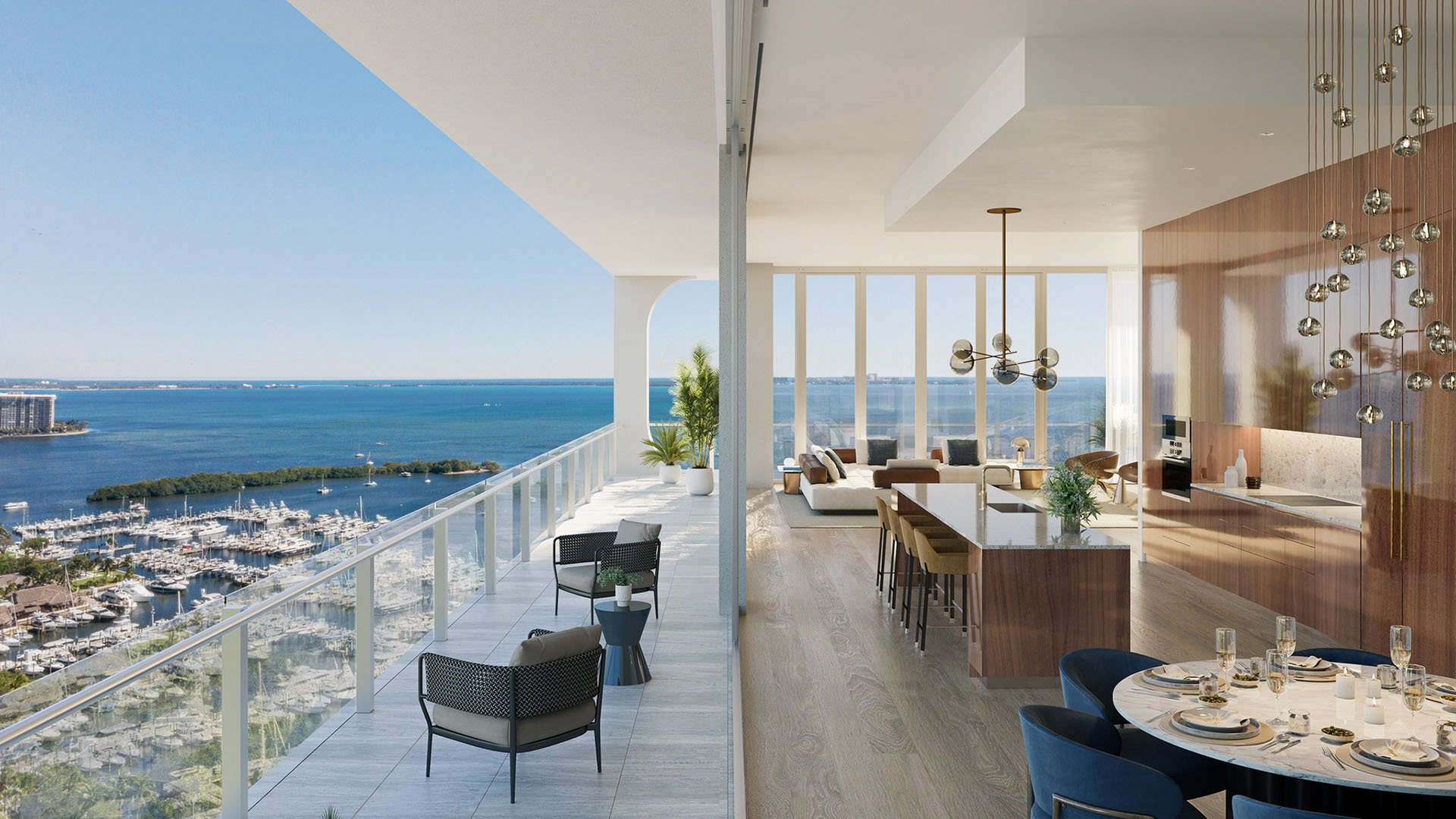
For a family office, a Miami-Dade residence is both a private retreat and an operating responsibility. Architecture, privacy and the arrival experience matter. So do the less visible systems that determine whether a property can be secured, maintained and used after severe weather. Wind protection, post-storm access and coastal maintenance each deserve separate scrutiny.
The five selections below form an acquisition shortlist, not a set of five confirmed active listings. They span estate designs, condominium targets and a location-based search category. Availability must be established individually, and none carries a documented guarantee of post-storm access. The decisive distinction is between an advertised resilience feature and evidence that it has been installed, maintained and tested.
1. G House - Old Cutler Road / southern Biscayne Bay
G House leads for its stated resilience design. The approximately $50 million residence was described as under development, with a principal floor approximately 17 feet above grade. Heavy pilings are intended to let surge pass around and beneath the structure, while approximately 20,000 square feet of mangroves are intended to reduce incoming surge energy.
Its stated design targets include Category 5 winds and once-in-a-century floods. These are design claims, not demonstrated storm performance. Completion, availability and operating continuity remain unconfirmed. Before advancing, request elevation documentation, opening approvals and an engineering review that distinguishes height above grade from elevation relative to the applicable flood reference.
2. Venetian Islands spec mansion - Miami Beach waterfront infrastructure
This mansion carried an approximately $48 million asking price and advertises 103 feet of waterfront, a 14-foot seawall, a deep-water dock and a 30,000-pound boat lift. Its stated 8,000-square-foot sub-story warrants particular scrutiny in any flood and systems review. A buyer was reportedly found; a current purchase opportunity is not established.
The infrastructure makes this a useful diligence benchmark, not proof of uninterrupted waterfront use. The seawall dimension lacks a stated elevation datum and cannot, on its own, establish flood protection. Request surveyed elevations, coastal engineering assessments, repair histories and dock permits. Establish separately which access arrangements apply after a storm.
3. Residences at Vizcaya - Coconut Grove operating continuity
Residences at Vizcaya advertises a full-service backup generator for the entire property, alongside 24-hour concierge service, 24-hour security and valet parking. These are relevant operating features for an owner delegating day-to-day oversight. Its private marina has seven resident-owned slips, not a documented slip entitlement for every residence.
The next step is operational verification. The whole-property description does not establish generator runtime, tested loads, system coverage or refueling arrangements. Nor is a specific available unit established. Request the electrical coverage schedule, recent load tests and written storm procedures before treating backup power or staffing as evidence of continued habitability.
4. Grove Isle condominium target - Impact-rated assembly documentation
Impact-rated assemblies specified for design pressures and waterfront exposure are documented for Grove Isle. That makes the condominium target relevant to a wind-protection review, but it does not establish the condition of every residence or identify an active unit.
The acquisition file should connect the assembly specifications to the exact property under consideration. Request installation approvals, subsequent replacement records and current condition assessments. Building-level documentation is a starting point, not a substitute for confirming the openings serving the selected unit. Post-storm access requires separate verification.
5. Dinner Key / South Bayshore Drive corridor - Bayfront estate search category
The fifth priority is a location-based estate search, not an identified residence. Around Coconut Grove, open Biscayne Bay frontage and more sheltered positions near Dinner Key call for different maintenance planning based on exposure. That distinction belongs in the brief before architectural preferences narrow the field.
No qualifying active estate or completed maintenance history is established for this category. For each candidate, request dated coastal inspections, permits, repair invoices and estate service logs. A sheltered position is not a maintenance exemption, nor should an open-bay setting be judged on appearance alone.
Assess wind resistance through the actual building envelope, not a broad storm-category description. An adviser should reconcile opening approvals, design pressures and installed components, then identify alterations or unresolved maintenance. Elevation review should likewise distinguish the occupied floor from the mechanical, electrical and life-safety equipment supporting it.
A prudent review should ask whether mechanical systems sit above the design flood elevation and whether power and life-safety utilities are elevated above it, or as high as existing conditions allow. These are diligence questions, not established features of every shortlisted property.
If the search extends to Vita at Grove Isle, obtain its own property-specific documentation. The Grove Isle assembly evidence discussed above should not be applied to another development or residence without confirmation.
A protected residence and an accessible residence are different propositions. Require a written plan addressing road or bridge access, building re-entry, elevator operation, staff responsibilities and inspection requirements. None of the shortlist evidence establishes guaranteed road, bridge, marina or elevator access after a storm.
For a broader Miami Beach comparison that includes The Perigon Miami Beach, apply the same questions independently rather than assuming a common recovery profile across the area. Ask who authorizes re-entry, who checks the residence and how the family office receives updates. These are proposed review standards, not verified capabilities of that project.
A seawall, dock or boat lift is an asset to inspect, not a maintenance record in itself. Seek a dated sequence of inspections, repairs, permits and service entries. For condominium ownership, pair that history with association reserves and responsibility allocations. For an estate, identify the vendors and personnel accountable for ongoing work.
When considering Park Grove Coconut Grove alongside other Grove options, request a separate ownership and maintenance file rather than carrying assumptions from one property to another. Where boating is part of the brief, verify slip ownership or usage rights independently of the residence purchase.
The strongest acquisition case combines property-specific wind documentation, a credible operating plan and dated maintenance evidence. Review insurance terms alongside those materials, not after the residence has won approval on design alone. Keep unresolved questions explicit in the investment memorandum, especially availability, generator autonomy and coastal obligations.
For a discreet, property-specific acquisition conversation, connect with MILLION.
If branded residences are on your mind — as a home or as an allocation — we would be glad to share what we are seeing, privately.
Begin a quiet conversationNo. The shortlist includes properties with unconfirmed availability, condominium targets without identified units and a location-based estate search category.
Its stated design includes a principal floor approximately 17 feet above grade, heavy pilings and developer-stated wind and flood targets. Completion and operating continuity remain unconfirmed.
No demonstrated performance is established here. Category 5 wind resistance and once-in-a-century flood protection are developer-stated design targets.
Current availability is not established. The sale-status information indicates that the mansion, previously asking approximately $48 million, found a buyer.
Not by itself. The advertised dimension lacks a stated elevation datum and should be assessed alongside surveyed elevations, engineering documentation and condition records.
No. The property advertises whole-property backup power, but runtime, tested loads, system coverage and refueling arrangements require verification.
A slip entitlement for every residence is not established. The marina is described as having seven resident-owned slips.
It identifies impact-rated assemblies specified for design pressures and waterfront exposure. It does not establish every unit's condition or the specifications of a separate development.
No guaranteed road, bridge, marina or elevator access is established. Buyers should request property-specific re-entry procedures and operating plans.
Request dated inspections, engineering assessments, repair histories, permits and service records. Review association reserves or estate maintenance logs alongside insurance terms and storm-response procedures.
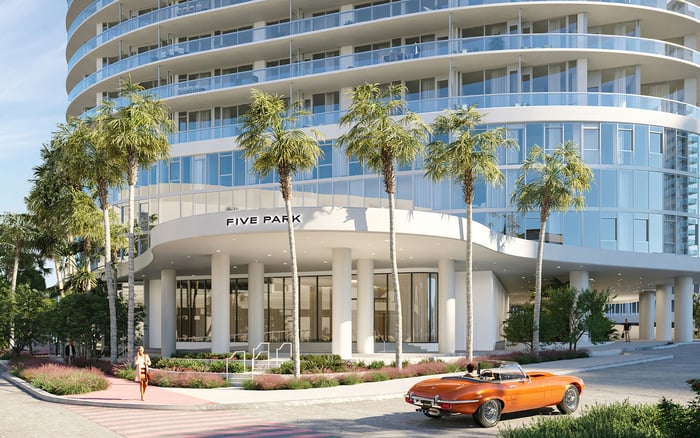
.jpg&width=700&height=438&fit=cover)