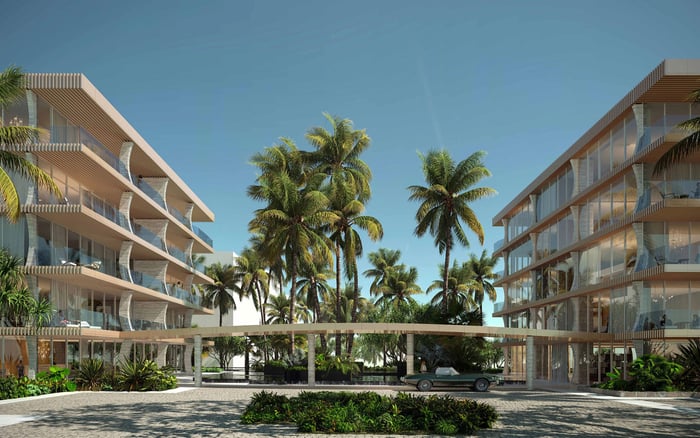
A discreet Palm Beach arrival depends on more than the flight plan. Loading rules, vehicle access, retail activity and household privacy provide a practical test of residence management, with clear questions for buyers comparing island and West Palm Beach addresses.
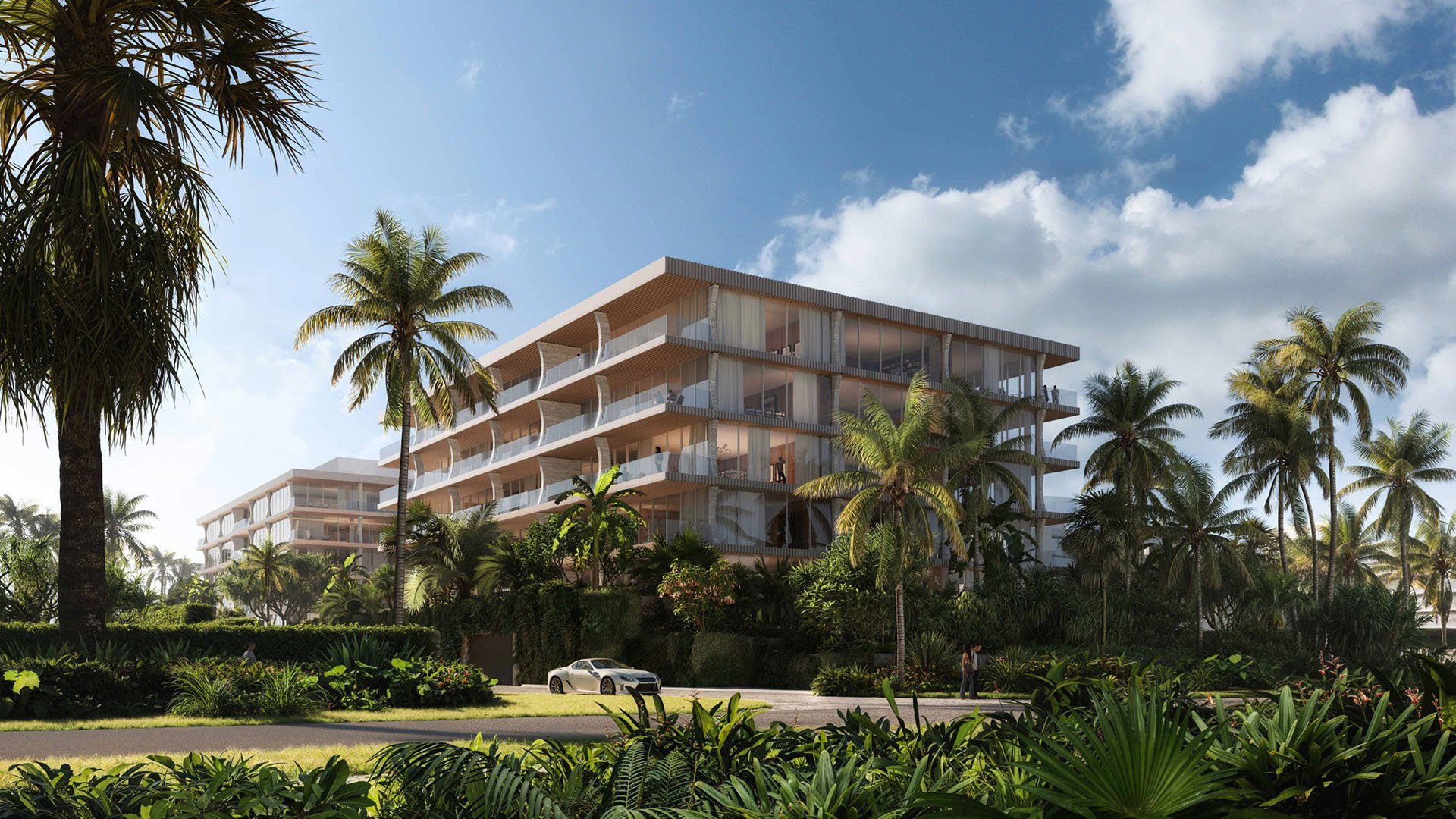
For a household arriving by private aircraft, the residence-management test begins before the front door opens. A car transporter, a furniture delivery and visiting guests may all need access in the same afternoon. The flight can be meticulously arranged while the final approach to the residence remains unresolved.
Private-aviation peak season offers a useful planning context, not grounds for assuming particular arrival volumes or delivery surges. The practical question is narrower: can management handle overlapping requests without obstructing public circulation or unnecessarily exposing the household’s movements?
In Palm Beach, the answer depends on both municipal loading restrictions and property-specific arrangements. Buyers considering Palm Beach Residences should request a walkthrough of the proposed delivery route and arrival procedures rather than infer operational capability from an address or presentation. The same discipline applies when evaluating an established home.
Commercial loading and unloading, including retail deliveries, are permitted in Palm Beach only between 8:00 a.m. and 8:00 p.m. Commercial loading zones, however, are reserved around the clock for commercial vehicles actively loading or unloading, generally with a 30-minute limit.
The rules serve different purposes. A zone’s 24-hour reservation does not authorize commercial deliveries outside the permitted hours. Nor is an active-loading space a waiting area for a driver whose receiving team is unavailable.
A sensible household protocol assigns an arrival window, identifies who will accept the delivery and confirms that the receiving space is ready. These are management recommendations, not additional municipal mandates. The aim is to avoid discovering at the curb that a delivery cannot proceed.
Worth Avenue parking meters operate from 9:00 a.m. to 5:00 p.m., overlapping the commercial delivery window and daytime retail activity. That does not establish congestion at any particular hour. It does, however, make advance coordination more useful than assuming nearby parking will be available.
Car carriers need a separate plan. Palm Beach’s parking restrictions require these vehicles to load and unload on private property, not in public rights-of-way. No public-right-of-way locations are designated for that activity.
The requirement applies specifically to car carriers. It does not mean that every parcel, furniture or retail delivery must use private-property loading. Equally, an ordinary delivery arrangement should not be presumed suitable for unloading an automobile.
Before dispatch, management should confirm vehicle dimensions, usable loading space and the carrier’s ability to enter, unload and leave the proposed site. A private driveway is not automatically a workable loading area. If suitability or permission is uncertain, obtain confirmation before arrival rather than improvise a public loading location.
Residents should communicate these restrictions to auto-transport companies in advance. Blocking traffic lanes can result in code-enforcement notices or traffic citations. A driver’s brief stop is not a sound contingency plan simply because the household is ready to receive the vehicle.
An elegant entrance does not give a residence control over neighboring public space. Resident-permit parking applies on designated streets and blocks, and temporary guest permits are available. Neither permits occupying a loading zone or obstructing a traffic lane.
Public events also belong in arrival planning. Approved public special-event venues include Bradley Park, the Worth Avenue Clock Tower, Midtown Public Beach and Peruvian Park/Mayor Lesly S. Smith Park. Their presence warrants checking scheduled activity; it does not establish that a particular residence experiences disruption.
For a buyer comparing island living with Alba West Palm Beach, the transferable principle is to examine where public movement and private arrivals meet. The Palm Beach rules discussed here should not be assumed to govern West Palm Beach. Each property comparison requires its own jurisdictional and building-level review.
Privacy is better treated as an operating brief than an architectural promise. Where feasible, management should separate guest and service arrivals, preauthorize vendors and identify who is responsible for receiving each visitor. Driver identification and shorter waiting periods are proposed household controls, not documented security guarantees.
The brief should also define what information vendors need. Delivery instructions can identify an authorized contact and access route without circulating the household’s full travel itinerary. Any no-photography expectations should be lawful and tied to the property’s authority, not presented as control over public streets or passersby.
When evaluating Mr. C Residences West Palm Beach, ask how vendor instructions, visitor handling and service access would work for the intended household. This is a due-diligence question, not a claim about the project’s procedures. A service proposition becomes meaningful when responsibilities and exceptions are clear.
Consider a hypothetical buyer exercise: a household arrival changes, a retailer reaches the property early and a car carrier requests immediate access. Ask management to explain the sequence, who can authorize changes and what happens when the original plan no longer works.
The answer should distinguish municipal permissions from building permissions and household preferences. For a comparison involving Forté on Flagler West Palm Beach, request applicable delivery policies and an explanation of the service route. Do not presume dedicated facilities or unrestricted access without confirmation.
A practical operating brief should cover:
Confirmed vehicle dimensions and a suitable, permitted loading location.
Named receiving staff and a clear vendor contact.
Arrival windows with instructions for early or delayed drivers.
Separate guest and service movements where feasible.
Delivery-day traffic checks and authority to reschedule.
The strongest answer is not that every request can be accommodated. It is that management knows which requests cannot proceed-and communicates that decision before a vehicle arrives.
Check current traffic conditions before scheduling deliveries and again on the day. Dated closure notices cannot replace a current check. Palm Beach’s standard speed limit is 25 mph unless otherwise posted, so a delayed arrival calls for coordination, not rushed driving.
Emergency access is a separate issue. During a mandatory evacuation and a police-declared state of emergency, roadblocks at access points or bridges prevent entry while conditions are unsafe. Household schedules cannot override those restrictions.
For an owner, the enduring luxury is an arrival that requires no personal intervention. A convincing residence-management plan should explain how lawful loading, public circulation and privacy preferences work together-including when the correct response is to postpone a delivery.
Explore South Florida residences with a more discerning operational brief at MILLION.
If branded residences are on your mind — as a home or as an allocation — we would be glad to share what we are seeing, privately.
Begin a quiet conversationCommercial loading and unloading, including retail deliveries, are permitted between 8:00 a.m. and 8:00 p.m.
No. Around-the-clock reservation of a loading zone does not extend the permitted commercial loading and unloading hours.
Commercial loading zones generally have a 30-minute limit and are reserved for commercial vehicles actively loading or unloading.
Car carriers must load and unload on private property, not in public rights-of-way. The proposed location should be confirmed as suitable and permitted before arrival.
No. The explicit private-property loading requirement concerns car carriers and should not automatically be extended to every parcel, furniture or retail delivery.
Blocking traffic lanes can result in code-enforcement notices or traffic citations. Management should not use lane obstruction as a backup loading plan.
Yes. Resident-permit parking applies on designated streets and blocks, and temporary guest permits are available; they do not authorize traffic obstruction or loading-zone misuse.
Discuss vendor preauthorization, driver identification, receiving contacts and separate guest and service arrivals where feasible. These are proposed household controls, not municipal mandates or guaranteed security outcomes.
No. Buyers should review the applicable jurisdiction’s rules and each property’s delivery policies rather than transfer Palm Beach requirements to another municipality.
During a mandatory evacuation and a police-declared state of emergency, roadblocks prevent entry while conditions are unsafe. A household arrival plan cannot override those restrictions.