Formal dining can still be a mark of refinement in South Florida luxury condos, but the best residences treat it as flexible spatial capital rather than a fixed ceremonial room.
Formal dining has returned to the luxury conversation with a quieter kind of tension. For decades, a separate dining room signaled permanence, hospitality and architectural confidence. In South Florida condominiums, however, the question is no longer whether a residence can host an elegant dinner. It is whether the square footage assigned to that ritual will remain valuable when a future buyer reads the floor plan differently.
That is the quiet risk behind formal dining in luxury condos. A dedicated dining space can be a mark of grace, but it can also become a beautifully finished room that sits outside the cadence of daily life. For buyers, the issue is not taste. It is optionality. The strongest plans allow a dining area to feel ceremonial on Friday evening, useful on Monday morning and defensible at resale.
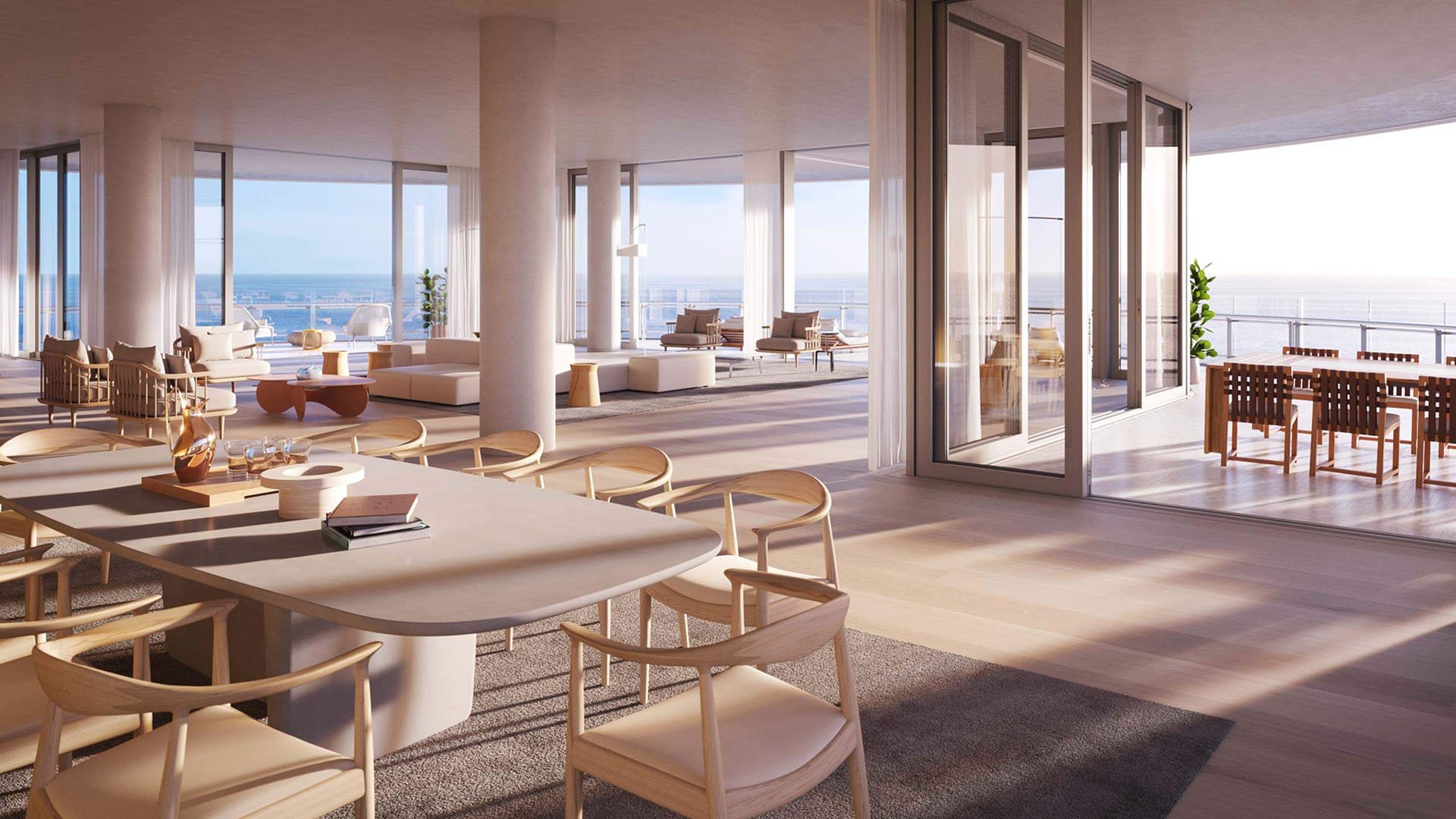
In the upper tier of the market, dining is about more than a table. It is about arrival, procession, service and the ability to entertain without making the home feel improvised. A well-positioned dining room can create a natural pause between living, kitchen and terrace, giving the residence a sense of composure that open plans sometimes lack.
This is especially relevant in large waterfront condominiums, where the view can dominate every decision. A dining room that frames water, skyline or garden without blocking the main living volume can elevate the entire residence. In that sense, formal dining is not old-fashioned. It is a spatial tool, capable of making a large home feel more intentional.
The risk appears when the room is formal only in name. If it is too enclosed, too far from the kitchen, poorly lit or disconnected from the terrace, it may read as inefficient square footage. New-construction buyers often notice this quickly because they are comparing not only finishes, but also the choreography of daily living.
Luxury buyers are increasingly fluent in floor-plan risk. They know that a residence can be large yet awkward, impressive yet underutilized. A formal dining room becomes vulnerable when it cannot flex into another use without feeling compromised. The room may need to support private dining, family meals, a library table, a study setting or overflow entertaining.
That does not mean every dining room should become a hybrid office. It means the proportions, circulation and lighting should allow the next owner to imagine more than one life inside the space. A room with strong walls, balanced openings and access to natural light can adapt. A leftover zone between kitchen and sofa usually cannot.
Flow-through units add another layer to the evaluation. When a residence benefits from light and air across more than one exposure, the dining area should participate in that advantage rather than interrupt it. If the dining room blocks the residence’s best movement, it becomes a design liability dressed in expensive materials.
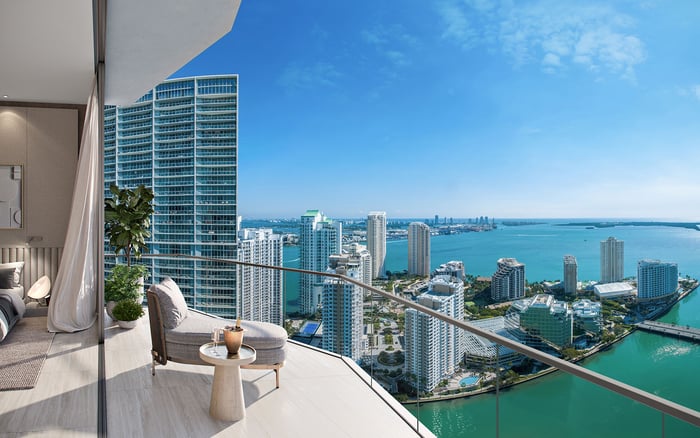
In Brickell, the dining question is often tied to urban entertaining. A buyer considering St. Regis® Residences Brickell may think less about a once-a-year holiday room and more about whether the dining area can support guests before or after a waterfront evening, while keeping the kitchen, living room and view sequence composed.
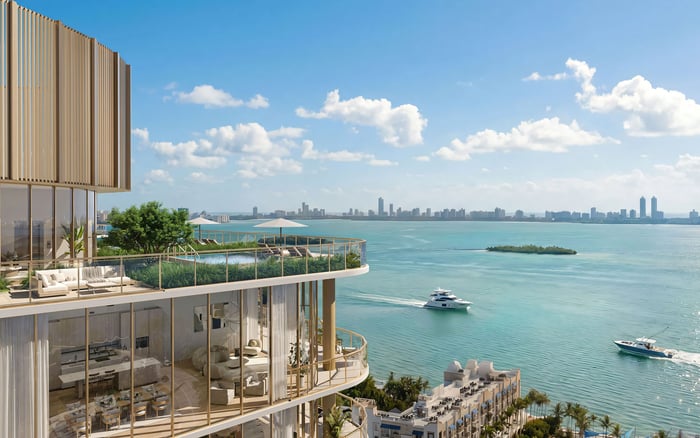
In Miami Beach, the calculation becomes softer but no less exacting. At projects such as The Perigon Miami Beach, the best dining experience is not simply formal. It is atmospheric. Buyers should ask whether the room feels connected to the beachside setting or sealed away from it. A dining room that ignores the property’s strongest emotional asset can feel curiously detached, even if it is beautifully appointed.
Coconut Grove offers a different lens. In a more gardened, residential context, formal dining can feel natural when it supports a slower domestic rhythm. At Four Seasons Residences Coconut Grove or Vita at Grove Isle, buyers may evaluate how dining connects to terrace living, privacy and the transition between indoor refinement and outdoor ease.
The first test is distance. A formal dining room should feel close enough to the kitchen to function gracefully, but not so absorbed by the kitchen that it loses occasion. The second test is circulation. Guests should not have to cross the service path at the wrong moment, and residents should not feel that the room interrupts the primary movement from entry to living area.
The third test is light. A dining room can be moody, but it should not feel secondary. Natural light, ceiling height and visual connection all help protect value. The fourth test is furniture realism. A room that looks elegant in renderings may become tight once a real table, chairs, buffet, art and circulation clearance are introduced.
Terrace planning is equally important. In South Florida, dinner often migrates outdoors, even in the most formal homes. If the dining room and terrace compete rather than complement each other, one of them may be underused. The ideal relationship lets indoor dining feel intimate, while the terrace expands the evening without breaking the social rhythm.
Investment risk in formal dining is rarely obvious at first glance. It appears later, when a buyer compares two similar residences and chooses the one that feels easier to live in. A rigid dining room can narrow the buyer pool. A flexible, well-proportioned room can broaden it.
For sellers, the most defensible dining spaces are those that photograph beautifully and perform well in person. They allow a buyer to understand scale immediately. They do not require explanation. They do not need staging tricks to justify their purpose. In luxury real estate, clarity is a form of value.
For buyers, the lesson is simple: do not reject formal dining because it sounds traditional, and do not accept it because it sounds prestigious. Study the room as spatial capital. If it can host, adapt and enhance the rest of the residence, it may be one of the home’s most elegant assets. If it cannot, it may be the quietest risk on the floor plan.
Is formal dining still desirable in luxury condos? Yes, when it is well proportioned, connected to the main living areas and flexible enough to support more than occasional entertaining.
What makes a formal dining room risky? The risk is inflexible square footage, especially when the room is poorly located, too enclosed or disconnected from daily living.
Should buyers prefer open dining instead? Not automatically. Open dining can feel effortless, but a defined room can add elegance if the plan maintains flow and light.
How should a dining room relate to the kitchen? It should be close enough for service to feel natural, while still preserving a sense of occasion and separation.
Does terrace access matter for formal dining? Yes. In South Florida, a strong relationship between dining and outdoor living can make the room more useful and more memorable.
Can a dining room improve resale value? It can, if buyers perceive it as usable, gracious and adaptable rather than as decorative surplus space.
What should buyers measure before committing? They should test table size, chair clearance, circulation paths, lighting and how the room works during both quiet meals and larger gatherings.
Are formal dining rooms better in larger residences? They are easier to justify in larger homes, but scale alone is not enough. The room still needs purpose and proper placement.
Can formal dining double as another space? Yes, if the architecture supports flexibility. A well-designed room can serve dining, study, library or salon functions without feeling forced.
What is the simplest buyer rule? Treat formal dining as optionality. If it expands how the residence can live, it is an asset; if it narrows use, it is risk.
If you'd like a private walkthrough and a curated shortlist, connect with MILLION.
If branded residences are on your mind — as a home or as an allocation — we would be glad to share what we are seeing, privately.
Begin a quiet conversation