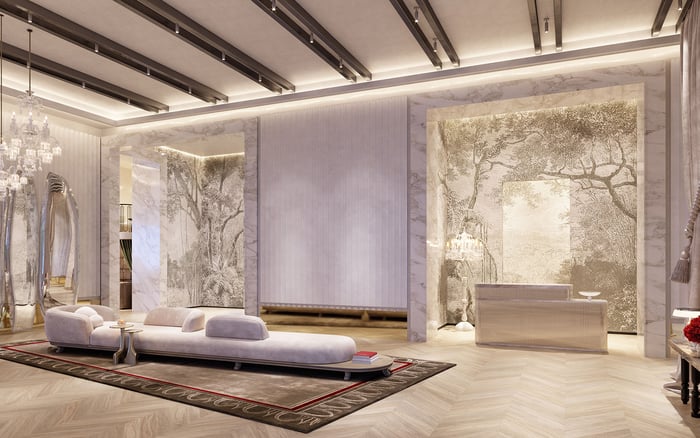
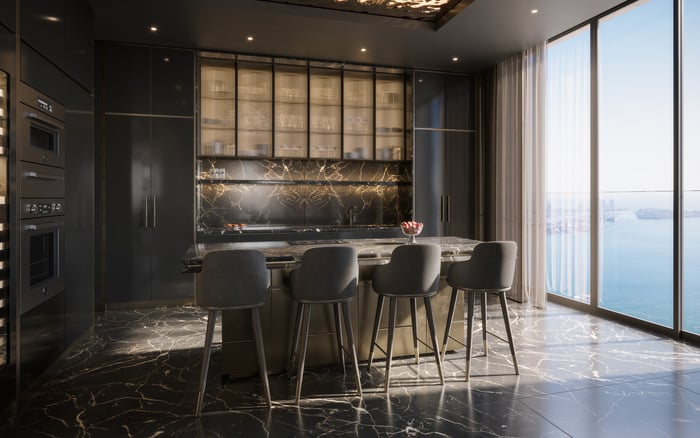
A discreet look at why private treatment rooms are becoming a defining wellness priority for South Florida luxury buyers in 2026.
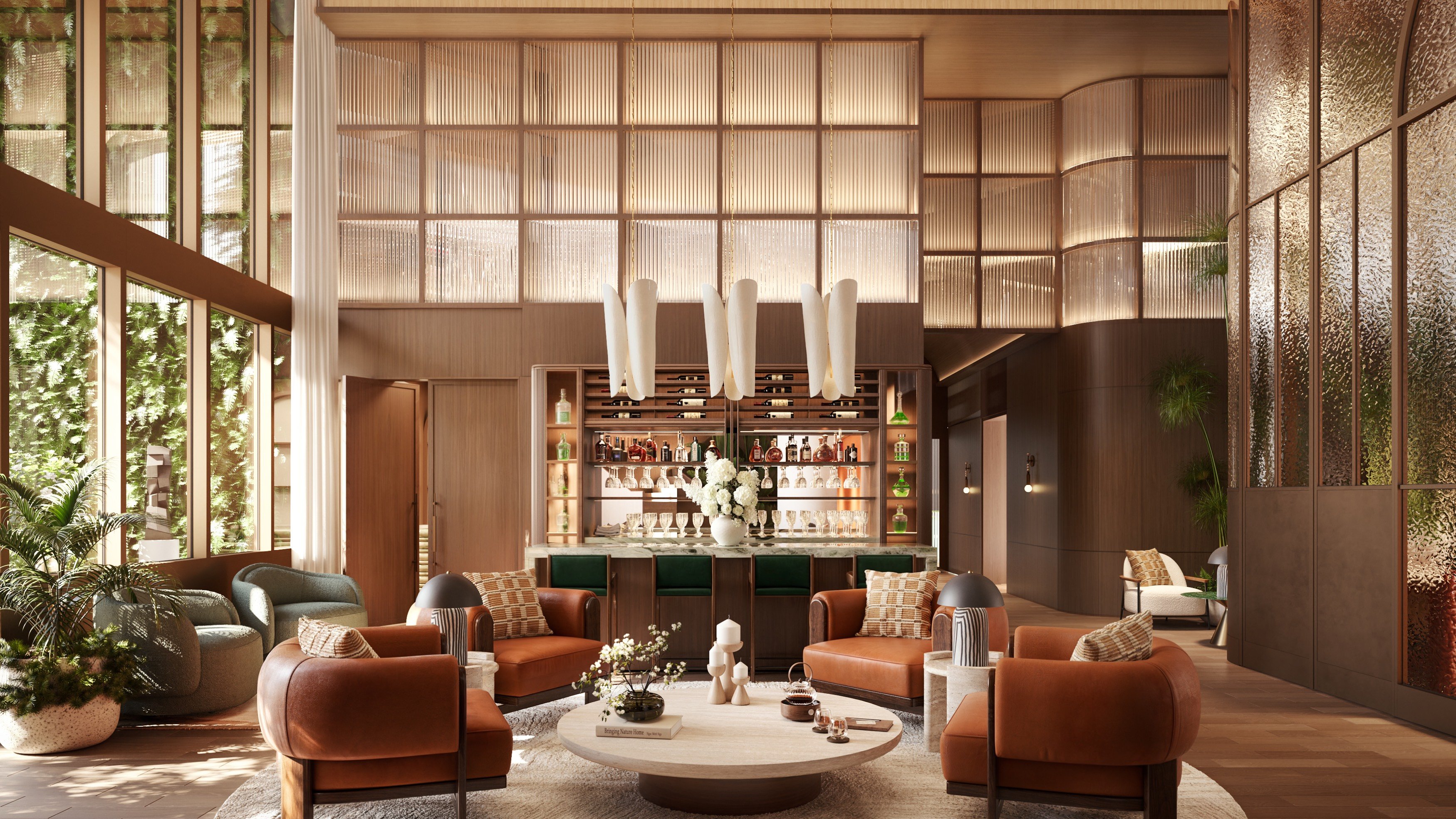
In South Florida luxury real estate, wellness amenities have moved beyond the photogenic. The new measure is not simply whether a residence offers spa-inspired spaces, but whether those spaces understand discretion. A treatment room succeeds when it feels almost invisible to the rest of the home or building: calm, protected, easy to use, and removed from social circulation.
That shift reflects a broader evolution in luxury. The most sophisticated buyers are not asking for louder amenities. They are asking for better choreography. They want the option to receive a facial, bodywork session, recovery treatment, or private consultation without turning the experience into an event. In 2026, privacy in treatment rooms is less about secrecy than control: over who enters, how they arrive, what they hear, and how quietly the appointment dissolves back into daily life.
For a market shaped by oceanfront living, second homes, family offices, seasonal guests, and high-touch service, this distinction matters. A treatment room can be beautiful, but if it sits beside a busy elevator lobby or opens directly into a social lounge, it fails the quiet luxury test.
Privacy is emotional before it is architectural. Buyers want spaces that lower the social temperature. A treatment room should not require explanation, scheduling drama, or visibility. It should feel as natural as using a private dressing room or stepping into a library.
The appeal is especially strong among owners who entertain often. In a residence where guests, staff, family, and service providers may all move through the property, wellness privacy becomes a boundary. It allows the owner to preserve rituals without making them public. That is a subtle but meaningful form of comfort.
This is also why the language of luxury has changed. Marble, bronze, and curated lighting still matter, but they are no longer enough. The room must be positioned, insulated, and serviced with intention. In the best scenarios, the owner never has to cross a high-traffic amenity zone in a robe, overhear a neighboring appointment, or feel observed while entering or exiting.
The most persuasive treatment rooms begin with arrival. A discreet path from residence, elevator, or wellness reception sets the tone before the door opens. A direct, calm sequence is preferable to a route that passes through a gym floor, party room, or pool deck.
Once inside, privacy depends on layers. Solid doors, considered acoustics, soft surfaces, controlled lighting, and storage that hides clinical clutter all contribute to a more residential feeling. A quiet room is not necessarily silent. It is a room where sound feels managed, voices do not carry, and the client is not reminded of adjacent activity.
Scale matters as well. A room that is too small can feel procedural. A room that is too large can feel performative. The ideal proportion supports movement around the table, space for changing, and a place for personal belongings without turning the experience into a staged amenity photograph.
For buyers comparing Miami Beach, Brickell, Sunny Isles, Fisher Island, new-construction, and boutique residences, the central question is not whether a wellness suite exists. It is whether its most personal spaces have been designed with the same seriousness as the primary suite.
South Florida living is unusually fluid. Indoor and outdoor spaces blur. Households expand during season. Friends visit. Staff and service teams may be part of the daily rhythm. That openness is part of the lifestyle, but it also makes private retreat more valuable.
In this context, a treatment room becomes a counterpoint to the spectacle of views, terraces, pools, and entertaining spaces. It is the room where the owner does not have to perform. The best luxury residences understand that privacy is not only about the bedroom or the elevator. It extends to the wellness experience, where vulnerability, recovery, and personal care call for a different level of design intelligence.
This is why quiet luxury buyers should look beyond amenity renderings. Ask how the space is reached. Ask whether a therapist or practitioner can arrive without disrupting the residence. Ask whether treatment-related storage is concealed. Ask where towels, supplies, and cleaning flow after use. These details may not be glamorous, but they are what make the space feel effortless.
Start with circulation. Trace the path from the residence to the treatment room and imagine using it on an ordinary morning, not during a sales presentation. If the route feels exposed, the room may be less private than it appears.
Next, consider adjacency. A treatment room next to a lively fitness area may be convenient, but convenience can come at the expense of calm. Adjacency to lockers, restrooms, saunas, or relaxation areas can work if sound and sightlines are properly controlled. The goal is not isolation for its own sake. The goal is a sequence that protects the mood of the appointment.
Then look at operational privacy. Luxury is sustained by systems. Who manages appointments? Where does the provider wait? Is there a place to change? Can the room be reset quickly and discreetly? A well-designed treatment room should feel residential to the user and practical to the team maintaining it.
Finally, study lighting. Bright, clinical lighting can undermine the mood, while lighting that is too dim can make professional treatments impractical. The strongest spaces offer flexible illumination, allowing the room to support both service quality and atmosphere.
The quiet luxury case for treatment-room privacy is ultimately a case for restraint. Not every amenity needs to announce itself. Some of the most valuable spaces are the ones designed to disappear into the owner's routine.
In 2026, privacy will continue to influence how sophisticated buyers judge wellness amenities. A treatment room that respects sound, movement, arrival, storage, and atmosphere can make a residence feel more complete. It signals that the developer or owner has considered the body, the schedule, the guest, and the staff experience, not just the image.
This is where luxury becomes durable. Trends may change, but the desire for personal space, dignified service, and unobserved restoration does not. For South Florida buyers, especially those balancing public lives with private rituals, the treatment room is becoming a small room with outsized importance.
Why does privacy matter in a residential treatment room? Because wellness services can feel personal, the room should protect comfort, sound, and arrival without making the experience visible to others.
What is the first detail buyers should inspect? Start with the path to the room. If the route feels exposed or busy, the treatment experience may not feel truly private.
Is a larger treatment room always better? Not necessarily. The best room has enough space for service, changing, and storage without feeling theatrical or impersonal.
How important is acoustic design? Very important. If voices or activity carry into the room, the space loses much of its restorative value.
Should treatment rooms be near fitness areas? They can be, provided sightlines, sound, and circulation are carefully managed to preserve calm.
What makes a treatment room feel residential rather than clinical? Warm materials, concealed storage, flexible lighting, and a calm arrival sequence help soften the experience.
Does privacy affect resale appeal? It can strengthen the impression of thoughtful design, particularly for buyers who value wellness and discretion.
Are private treatment rooms only relevant in large residences? No. Even a compact, well-planned space can feel luxurious if it protects privacy and supports real use.
What should owners ask about operations? Ask how appointments are managed, where providers arrive, and how the room is refreshed between uses.
What is the best way to shortlist comparable options for touring? Start with location fit, delivery status, and daily lifestyle priorities, then compare stacks and elevations to validate views and privacy.
For a confidential assessment and a building-by-building shortlist, connect with MILLION.
If branded residences are on your mind — as a home or as an allocation — we would be glad to share what we are seeing, privately.
Begin a quiet conversation