A discreet, practical framework for evaluating physical access, operational discipline, digital privacy, vendor controls, and residence-level protections before buying in Aventura.
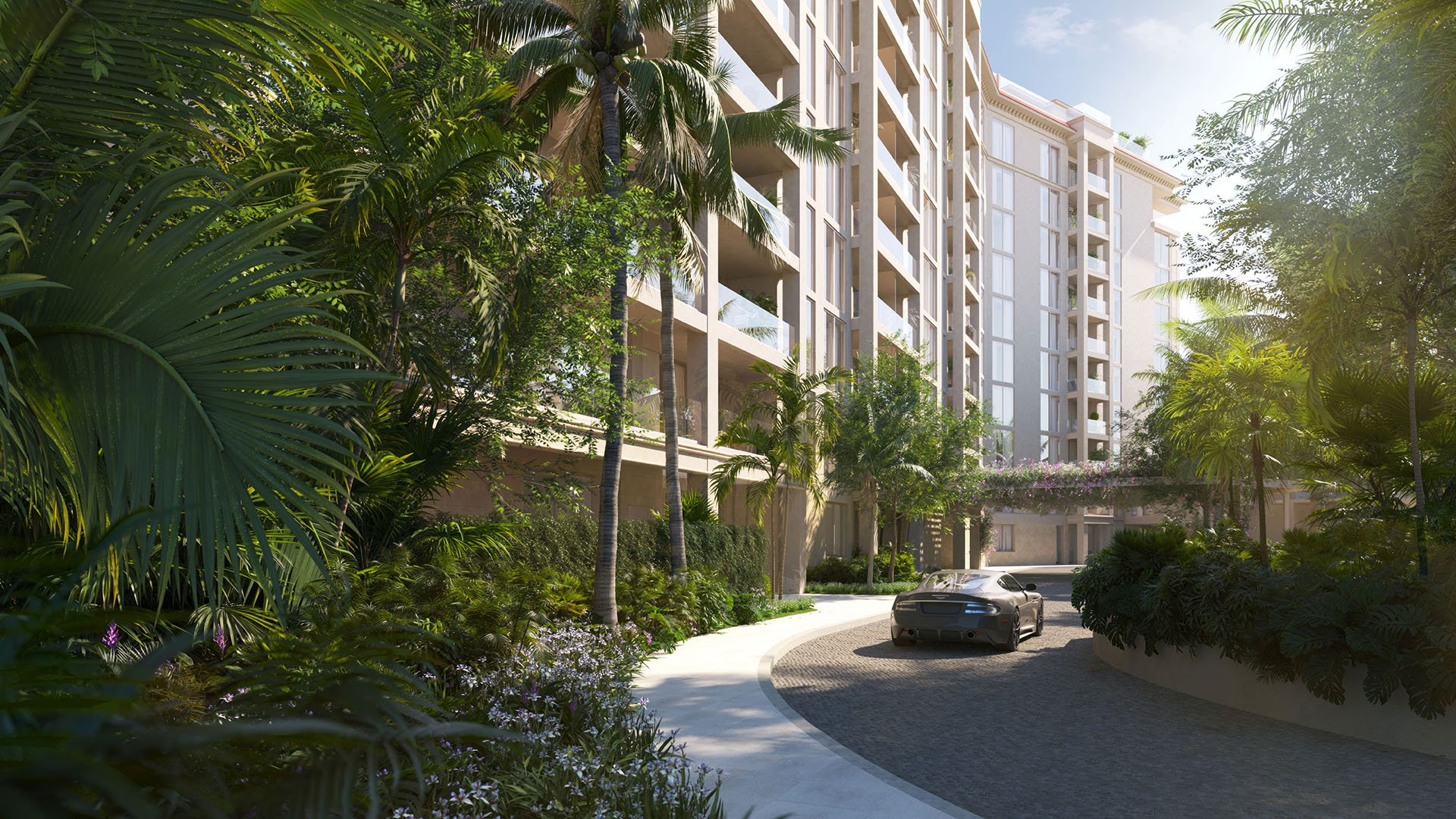
For an Aventura buyer, privacy should be evaluated as a sequence, not a single amenity. It begins at the property boundary, continues through vehicle and pedestrian arrival, extends into elevators and shared spaces, and ends inside the residence. Every transition warrants its own questions, documents, and physical test.
This is especially important for buyers balancing family routines, household staff, business obligations, or a second-home pattern. A polished lobby may inspire confidence, but meaningful discretion depends on what happens during shift changes, deliveries, guest arrivals, vendor visits, emergencies, and technology outages.
The central principle is simple: separate what is visible from what is operational. A gate, camera, or credential is only one layer. Buyers must understand who monitors it, who can override it, what records are retained, and how exceptions are handled.
Walk the property as several different users: resident, guest, driver, delivery courier, contractor, and household employee. Begin outside the perimeter. Note every pedestrian entrance, vehicle lane, garage connection, service corridor, loading area, stairwell, amenity entrance, elevator bank, and route from common space to the residence.
Ask management to explain each checkpoint in sequence. Determine whether visitor approval is required before arrival, upon arrival, or both. Request a live demonstration rather than relying on a verbal description. The objective is not to identify the most elaborate system, but the most coherent one, with few ambiguous handoffs.
In a gated community or controlled condominium environment, examine how tailgating, lost credentials, forgotten devices, and after-hours access are addressed. Buyers considering Avenia Aventura can apply the same disciplined walkthrough to any residence: follow the complete route and record every point where identity, authorization, or destination should be confirmed.
Security is also a service operation. Ask who is responsible for the desk, gate, garage, cameras, patrols, resident calls, and incident escalation during each shift. Clarify whether responsibilities change overnight, on weekends, or during staffing gaps. Review how temporary personnel are briefed and supervised.
Then examine the exceptions. How are unexpected guests handled? Can a resident authorize entry remotely? What happens when a vendor arrives without the named employee expected to meet them? How are food, floral, luggage, private-driver, and household deliveries separated from resident circulation?
Request any written procedures available for buyer review, then compare them with staff descriptions. Consistency matters. If answers vary by employee or location, seek clarification before treating the protocol as dependable.
A modern access system can collect names, images, vehicle information, entry records, device identifiers, or resident communications. Ask what information is collected, where it is stored, how long it is retained, who can view it, and when it is deleted. Determine whether outside vendors administer any part of the system.
Ask how resident directories are protected and whether staff can disclose a resident’s presence, unit information, schedule, guest history, or contact details. Confirm the process for removing former residents, employees, vendors, and household staff from digital permissions. Lost phones, transferred vehicles, and expired credentials should have clear revocation paths.
Comparison shopping can sharpen the inquiry. A buyer touring Aventura and nearby Sunny Isles Beach might apply the same digital-privacy questions at Bentley Residences Sunny Isles and Turnberry Ocean Club Sunny Isles, without assuming that similarly positioned properties use comparable systems or policies.
The final layer begins at the elevator threshold and continues inside the home. Evaluate whether the route to the residence permits unintended encounters, whether service circulation is distinct where represented, and how private elevator or vestibule access is controlled. Confirm every detail through current building materials and an on-site demonstration.
Inside the residence, define the buyer’s own privacy plan. Consider entry hardware, alarm interfaces, camera placement, network equipment, smart-home permissions, window treatments, package routines, and access for domestic staff. Review any alteration for compatibility with governing documents, building systems, insurance requirements, and professional advice.
Waterfront exposure can also shape the privacy conversation. Assess sightlines from neighboring buildings, amenity decks, passing vessels, or public-facing approaches from within the residence and, when practical, from different vantage points. Privacy is spatial as well as procedural.
Before committing, request the current governing documents, relevant rules, resident handbooks, access policies, move procedures, vendor requirements, and available summaries of security responsibilities. Have qualified legal, insurance, technology, and inspection professionals evaluate matters within their respective scope.
Look for alignment among marketing language, written policy, installed equipment, staff practice, and purchase documents. If a privacy feature materially affects the buying decision, determine where it is documented and whether it can change. Never treat an informal assurance as a substitute for an enforceable term.
The same framework can support a broader North Miami comparison. One Park Tower by Turnberry North Miami may be included in a buyer’s tour, but each candidate should be judged independently through documents, demonstrations, and professional review.
Conditions can evolve between an early tour and closing. Revisit the access sequence, confirm the credential setup process, and ask whether staffing, vendors, equipment, policies, or construction conditions have changed. Identify who will enroll residents, vehicles, guests, household employees, and service providers.
Create a written opening-week plan covering credential issuance, emergency contacts, privacy preferences, delivery instructions, household-staff permissions, network setup, and immediate revocation procedures. A disciplined handover reduces the gap between ownership and secure occupancy.
What is the first security question an Aventura buyer should ask? Ask for a step-by-step explanation of access from the property boundary to the residence, including exceptions.
Is a staffed lobby enough to establish privacy? No. Buyers should also evaluate garages, service routes, elevators, digital records, vendors, and in-residence systems.
Should I request a live access demonstration? Yes. Test the resident, guest, delivery, and contractor journeys rather than relying solely on descriptions.
What digital information should I ask about? Ask what is collected, who can access it, how long it is retained, and how permissions are revoked.
How should household staff access be handled? Seek individual permissions with a defined scope and a prompt process for changing or terminating access.
What should I review for deliveries? Examine approval, identification, holding, notification, service-route, and release procedures for each delivery type.
Why do sightlines matter? They can affect visual privacy from nearby residences, shared spaces, approaches, and surrounding activity.
Can building protocols change after purchase? Policies and operations may change, so buyers should review governing authority and seek advice on material concerns.
Who should assist with specialized due diligence? Engage qualified legal, insurance, inspection, and technology professionals for issues within their expertise.
What should be rechecked before closing? Reconfirm access routes, enrollment procedures, staffing, vendor roles, equipment status, and any policy changes.
To compare the best-fit options with clarity, connect with MILLION.
If branded residences are on your mind — as a home or as an allocation — we would be glad to share what we are seeing, privately.
Begin a quiet conversation