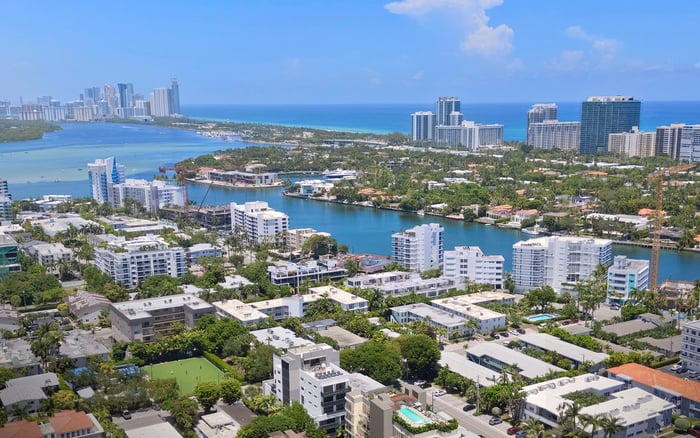
A buyer-focused look at why Bay Harbor Islands can appeal to discreet luxury purchasers who want calm residential living while keeping beach access central to the decision.
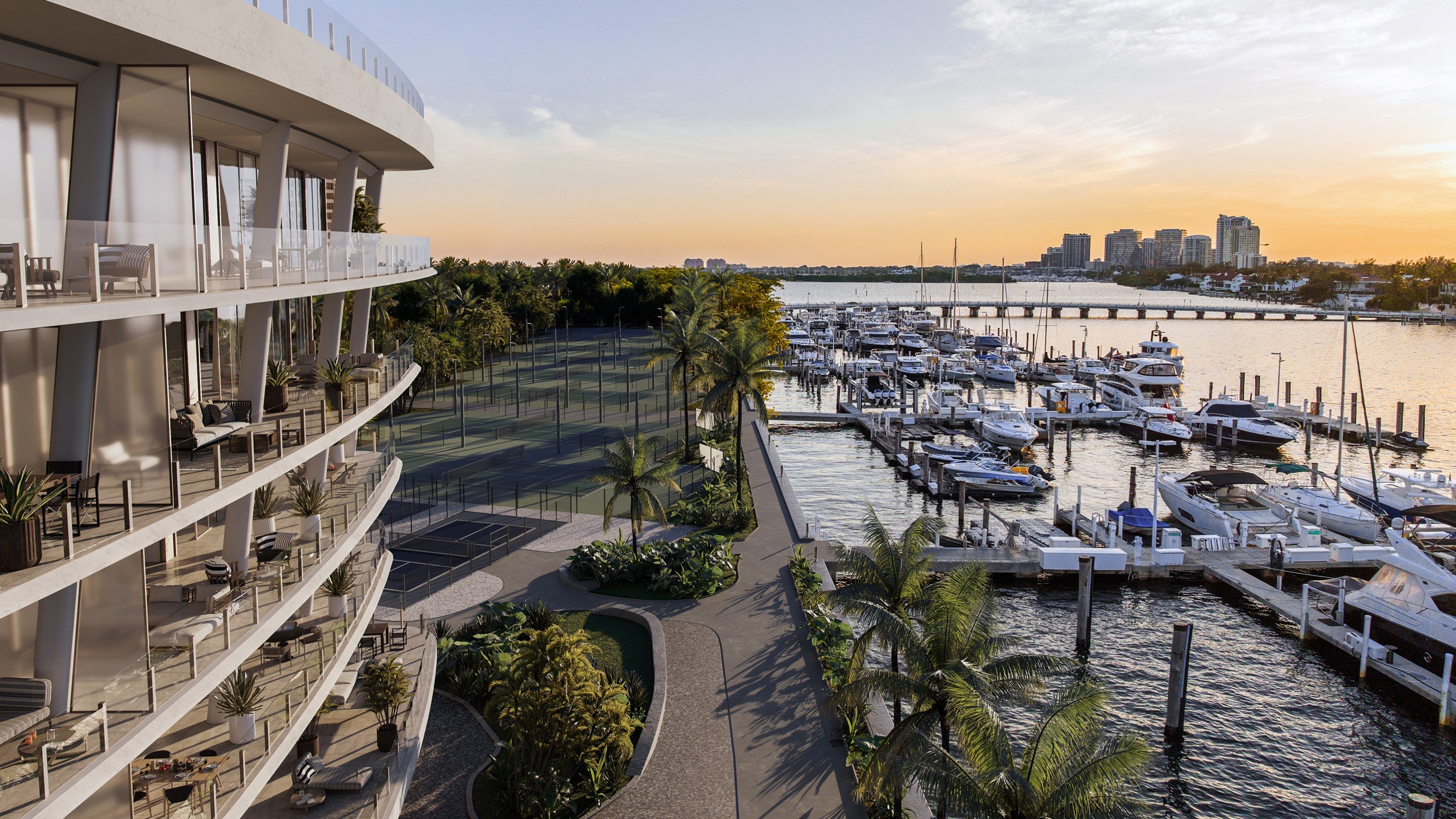
For a certain South Florida buyer, luxury is becoming less about the loudest arrival and more about the ease of living well. Bay Harbor Islands fits that shift with a mood that is residential, polished, and intentionally understated. Its appeal is not theatrical. It is the feeling of returning to a calmer setting after a beach morning, dinner nearby, or a long travel day, then closing the door on the noise of the wider market.
That is the quiet-luxury case. It is not a retreat from access, but a more edited version of it. Beach access still matters, yet the home does not need to sit within the most visible resort corridor to feel connected to the water. For buyers who prefer privacy over spectacle, Bay Harbor Islands can feel like a deliberate choice: close enough to the coastal lifestyle, restrained enough to remain personal.
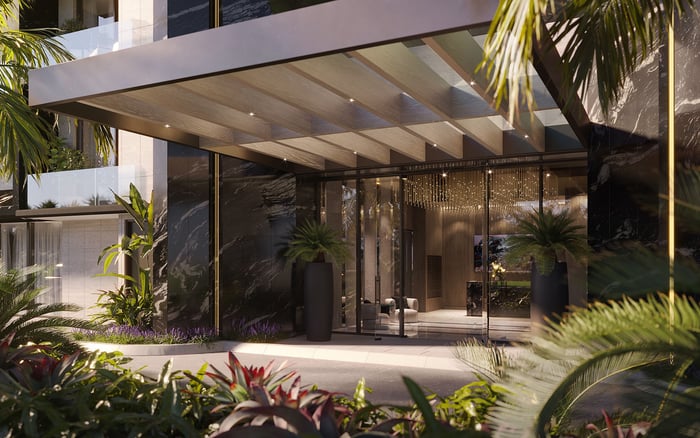
The decision is especially relevant for families, second-home buyers, and end users who do not want every day to feel like a hotel lobby. They may still want a refined building, a graceful arrival, and a strong amenity program, but they also want a setting that reads as neighborhood first. That distinction is where the Bay Harbor conversation becomes most interesting.
Beach access is not only a line item. It changes how a residence is used. A buyer who plans to spend mornings by the shore will think differently about parking, storage, elevator convenience, towel-and-sand logistics, and the return home. The best purchase is not always the one closest to the sand in a straight line. It is the one that makes the beach feel effortless without making the home feel exposed.
In Bay Harbor Islands, the search often becomes a balance between the pleasure of access and the comfort of separation. That balance is central to quiet luxury. The residence should support an active coastal routine, but it should also provide the composure that allows a home to feel private at the end of the day.
This is why buildings such as Alana Bay Harbor Islands enter the conversation for buyers who want a boutique posture rather than a mega-tower identity. The value is not simply in the name on the facade. It is in whether the building’s scale, circulation, and atmosphere suit the way the buyer intends to live.
Quiet luxury depends on proportion. A residence can be expensive and still feel overproduced. It can be amenity-rich and still lack calm. In Bay Harbor Islands, discerning buyers often look for a more measured residential experience: fewer frictions, softer transitions, and an address that does not announce itself before the owner does.
Boutique living can be especially compelling here. Smaller-feeling buildings may offer a different emotional register than larger beachfront or urban towers. The experience is often less about being seen and more about being settled. That matters to buyers who already know the South Florida market and no longer need the most obvious symbol of arrival.
Projects such as Bay Harbor Towers speak to that appetite for a building presence tied to place rather than spectacle. The comparison is not merely architectural. It is behavioral. How many people move through the lobby? How does the building handle privacy? Does the residence feel graceful on an ordinary Tuesday, not only during a showing?
The most disciplined buyers begin with routine. They ask how the home will support school mornings, beach weekends, dinner plans, visiting family, remote work, and seasonal use. A residence that photographs beautifully but complicates daily life is rarely the strongest long-term fit.
For a waterview buyer, the view itself should be considered alongside privacy, terrace usability, light, and the way interiors feel throughout the day. A water outlook can be calming, but only if the floor plan and building operation reinforce that calm. In this segment, luxury is measured as much by the absence of inconvenience as by the presence of amenities.
That is where the Bay Harbor Islands selection becomes nuanced. La Baia North Bay Harbor Islands may appeal to a buyer comparing the emotional value of waterfront living with a more residential setting, while Onda Bay Harbor may enter the shortlist for those focused on a refined island lifestyle. The right answer depends less on generalized prestige and more on the buyer’s desired rhythm.
The new luxury buyer is often fluent in restraint. Wellness, privacy, natural light, and intuitive service are no longer extras reserved for resort properties. They are part of the baseline expectation for a high-caliber South Florida residence. Yet the best expressions of those ideas do not need to be loud.
In that context, The Well Bay Harbor Islands reflects a broader shift toward homes that promise restoration as much as presentation. Buyers are not only asking what a building offers, but how it helps them feel. Does it simplify the day? Does it make health and privacy easier? Does it preserve a sense of calm while keeping the coast within reach?
These are not secondary questions. They are now central to how sophisticated buyers evaluate value. A quiet address with a credible wellness orientation, considered design, and meaningful beach access can be more compelling than a louder location with a less livable daily pattern.
Discretion can also be practical. Homes that appeal to end users often have a more durable story because they are tied to real habits: access, privacy, light, storage, views, and livability. In a market where design narratives change, the fundamentals of daily comfort remain powerful.
Bay Harbor Islands is not a one-note choice. It can suit buyers who want a primary residence, a seasonal base, or a softer alternative to higher-intensity coastal addresses. The common thread is intentionality. The buyer is not rejecting the beach. The buyer is choosing a home that gives the beach a place in life without allowing it to dominate every moment.
That is the essence of quiet luxury here. It is a more private version of the South Florida dream, one that values access without insisting on constant exposure. For the buyer who understands that distinction, Bay Harbor Islands can feel less like a compromise and more like the point.
Is Bay Harbor Islands a good fit for quiet-luxury buyers? Yes. It can appeal to buyers who prioritize privacy, residential calm, and refined access over a more conspicuous coastal setting.
Does beach access still matter if the home is not directly on the sand? Yes. The key is how easily the beach fits into daily life, including arrivals, storage, parking, and the return home.
What should buyers compare first in Bay Harbor Islands? Start with lifestyle rhythm, privacy, building scale, views, and how the residence supports ordinary days as well as special occasions.
Are boutique residences important in this market? They can be. Boutique buildings often appeal to buyers who want a more discreet atmosphere and less intensity in common spaces.
How should a buyer evaluate a waterview residence? Consider the view together with light, privacy, terrace usability, and the way the plan feels throughout the day.
Is Bay Harbor Islands mainly for primary residents or second-home buyers? It can work for both. The strongest fit depends on the buyer’s need for calm, access, and a residence that is easy to use.
What makes beach access different from oceanfront ownership? Beach access focuses on lifestyle convenience, while oceanfront ownership places the residence directly in the beachfront environment.
Should amenities drive the purchase decision? Amenities matter, but they should support the buyer’s routine rather than substitute for privacy, layout, and long-term livability.
Why do some buyers prefer restraint over spectacle? Restraint can feel more personal, less transient, and better aligned with a home that is meant to restore rather than impress.
How should buyers begin a Bay Harbor Islands search? Define the daily routine first, then compare buildings by access, privacy, views, service style, and overall residential feel.
For a confidential assessment and a building-by-building shortlist, connect with MILLION.
If branded residences are on your mind — as a home or as an allocation — we would be glad to share what we are seeing, privately.
Begin a quiet conversation