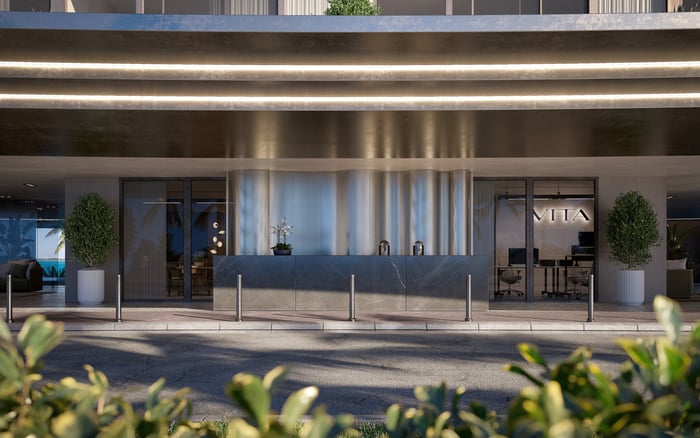
For collectors considering Vita at Grove Isle, art belongs in the purchase conversation. Written approvals, wall-specific engineering guidance and management-approved vendor insurance should precede installation plans.
A significant artwork can shape a residence as decisively as its floor plan. For a buyer considering Vita at Grove Isle, the question is not simply whether a piece suits the room. It is whether the installation can be approved, supported and executed without unresolved conditions.
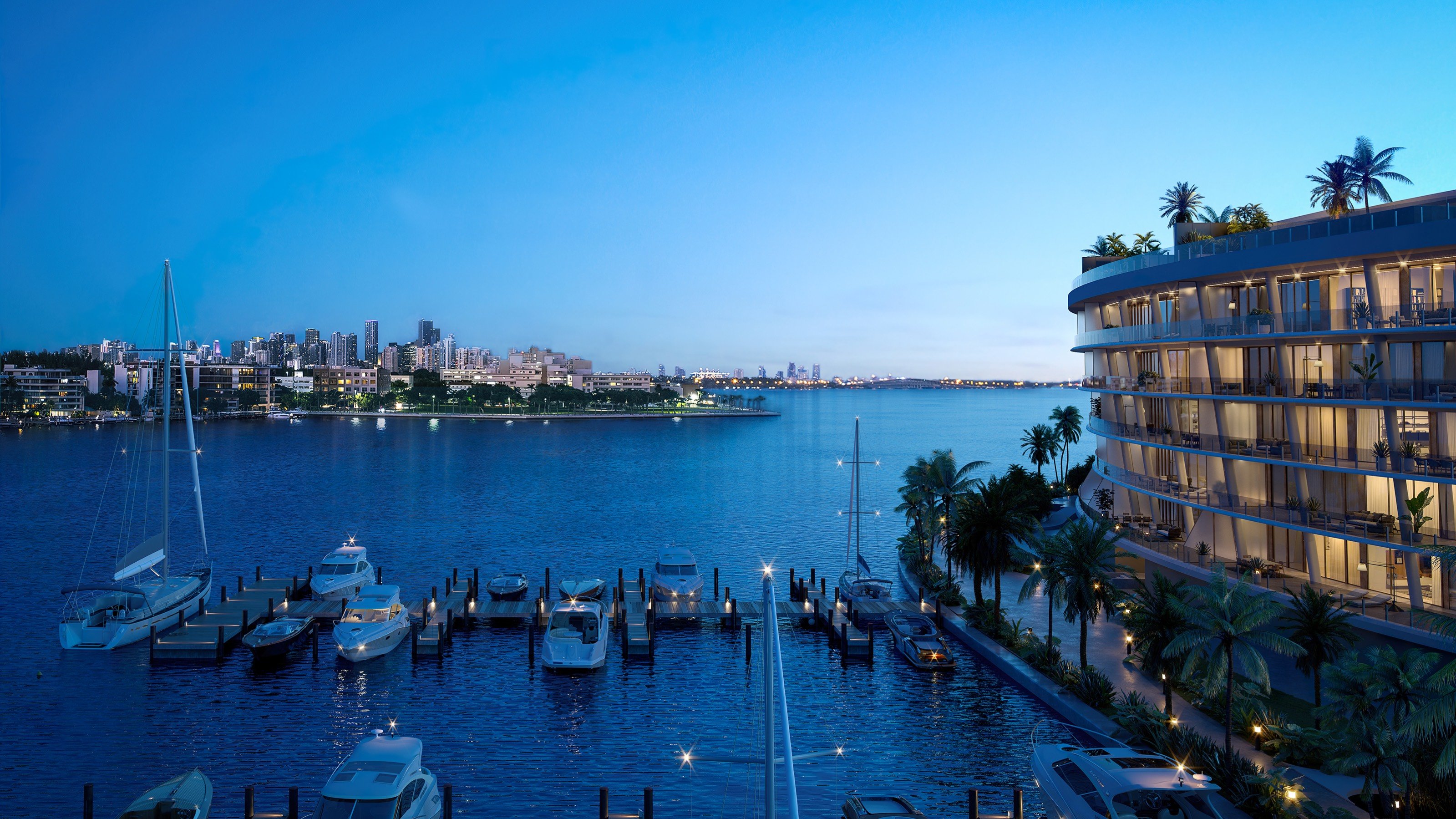
Vita is a waterfront condominium development with 65 residences in Coconut Grove, Miami, at 5 Grove Isle Drive. For collectors, the setting calls for precise due diligence: identify the intended works, distinguish decorative placement from physical alteration, and obtain the applicable requirements before arranging delivery.
Separate three decisions: permission to install, suitability of the attachment and acceptance of the vendor's insurance. An answer to one does not resolve the other two. Nor should an installation accepted elsewhere be assumed acceptable here.
Begin by requesting Vita's governing documents and current alteration procedures. Ask whether the proposed artwork requires written consent, who can grant it and whether review can occur before closing. If pre-closing review is available, establish whether the outcome is preliminary or sufficient to proceed once ownership transfers.
Describe the actual intervention. A framed work, a wall-mounted sculpture and an installation involving lighting are not interchangeable proposals. Ask whether management distinguishes ordinary hanging from drilling, changes to finishes, electrical work or attachment to structural elements.
Improvements, designs and construction at Vita require appropriate federal, state and local permits and approvals before proceeding. That does not establish which permissions apply to a particular artwork. Ask the project team to identify any applicable public approvals separately from condominium consent.
For buyers also considering Four Seasons Residences Coconut Grove, use the same questions for comparison, but request each property's own answers. Compare documented procedures, not assumed similarities.
Do not begin with a presumed weight allowance. Request written loading guidance for the exact wall and proposed attachment, including any distinction between the finish, the supporting assembly and the structural material behind it. A large wall surface alone does not establish that a mounting scheme is suitable.
Ask whether review requires an engineer's letter, stamped attachment drawings, concrete scanning or utility-location work before drilling. These are due-diligence questions, not confirmed Vita requirements. If technical review is needed, establish who selects the reviewer, who pays and what constitutes acceptance.
The submission should describe the artwork's dimensions and weight, mounting hardware, anchor locations and intended positioning. Ask the installer and reviewing professional to address the specific attachment, rather than offer a general assurance that the work can be hung.
If a written limit is supplied, clarify what it governs: the entire assembly, individual attachment points or a particular wall condition. Do not reduce a project-specific assessment to a single reusable number. Before commissioning a custom mount, ask whether design changes would require another review.
Request the required submission format before your designer prepares a package. Ask whether it should include elevations, photographs, hardware specifications, an installation sequence and a removal plan. The objective is a decision tied to a defined proposal, not a broad expression of comfort with the collection.
Clarify whether approval covers associated lighting, concealed wiring and finish repairs. Ask how substitutions are handled if the installer changes an anchor, moves a mounting point or encounters an unexpected condition. Establish who must authorize a revision before work continues.
Keep the approved proposal, technical correspondence and final installation instructions together. If the purchase depends on a particular work occupying a particular wall, consider discussing the timing and significance of written approval with transaction counsel before closing.
Ask management for its current vendor insurance requirements before selecting an installation date. Request coverage types and limits, certificate-holder names, additional-insured wording and any required endorsements. Clarify whether requirements differ for an art handler, installer, electrician or subcontractor.
Check the certificate against the requirements management provides. Ask whether supporting endorsements must accompany it, who reviews the submission and how acceptance is communicated. A vendor's previous work in another condominium does not establish eligibility at Vita.
Municipal contractor registration and county-contract insurance obligations do not establish Vita's private vendor policy. Likewise, neither a public-agency certificate-holder name nor a public-contract deadline should be copied into the building's submission without confirmation.
The practical question is straightforward: what must this vendor provide for this scope of work, and when must management accept it? Resolve that before scheduling delivery. Ask how changes in personnel, subcontractors or work dates affect the submission.
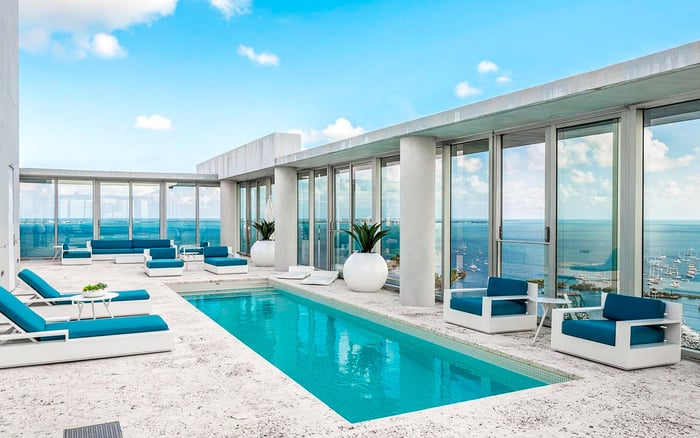
Vita's penthouse descriptions include 13-foot-deep waterfront terraces, as well as private rooftop terraces with pools and summer kitchens. These features make outdoor artwork a distinct due-diligence subject, not merely an extension of an interior hanging plan.
Ask whether terrace placement requires approval even without drilling. If a work would be attached outdoors or alter the exterior appearance, request a specific written determination under Vita's governing documents. Do not treat another Grove Isle condominium's rules as Vita's own.
For outdoor proposals, ask the reviewing professionals whether weight, anchoring, waterproofing and exposure require additional evaluation. Clarify access for installation and eventual removal. Terrace depth describes space; it does not establish a permitted sculpture weight or attachment method.
Confirm vendor registration, elevator reservations, loading access, work hours and protective coverings. Ask who is responsible for damage, what documentation is required before arrival and whether the approved installation includes every person entering the property to perform it.
Buyers comparing Vita with Park Grove Coconut Grove can make delivery planning part of their evaluation without presuming either building's rules. Request a documented route and procedure for the specific work at each property.
Before committing to installation, assemble a written record of approval status, technical conditions, insurance acceptance and access arrangements. The most useful outcome is not a promise that the art will fit. It is a clear understanding of what may proceed, under whose authority and with which conditions.
For a considered approach to South Florida residences and collection-led buying decisions, explore MILLION.
If branded residences are on your mind — as a home or as an allocation — we would be glad to share what we are seeing, privately.
Begin a quiet conversationVita is a waterfront condominium development at 5 Grove Isle Drive, Coconut Grove, Miami, FL 33133.
Vita has 65 residences.
Ask management whether the specific proposal requires written consent under Vita's governing documents and alteration procedures. Do not assume ordinary hanging and more involved installations receive the same treatment.
Ask whether pre-closing review is available and whether any response is preliminary or sufficient to proceed after ownership transfers.
Request written guidance for the exact wall, artwork and mounting scheme. No Vita-specific numerical loading limit is established here.
Ask whether scanning, utility-location work or engineering documentation is required for the proposed attachment. These should be confirmed rather than treated as established Vita requirements.
Ask whether management requires dimensions, weight, mounting hardware, anchor locations, installation sequence and removal plans. Include associated lighting or finish work in the proposal if relevant.
Obtain management's exact coverage types and limits, certificate-holder names, additional-insured wording and required endorsements. Confirm who reviews and accepts the documents before scheduling work.
No. Municipal contractor registration and county-contract obligations do not establish Vita's private insurance limits, certificate wording or submission deadlines.
Ask about placement approval, exterior appearance, anchoring, waterproofing, weight and installation access. Vita's penthouse descriptions include 13-foot-deep waterfront terraces and private rooftop terraces with pools and summer kitchens.