A buyer-focused framework for evaluating Edgeworth’s parcel history, garage and equipment elevations, backup-power scope, insurance, and post-storm operating plans without confusing luxury design with verified resilience.
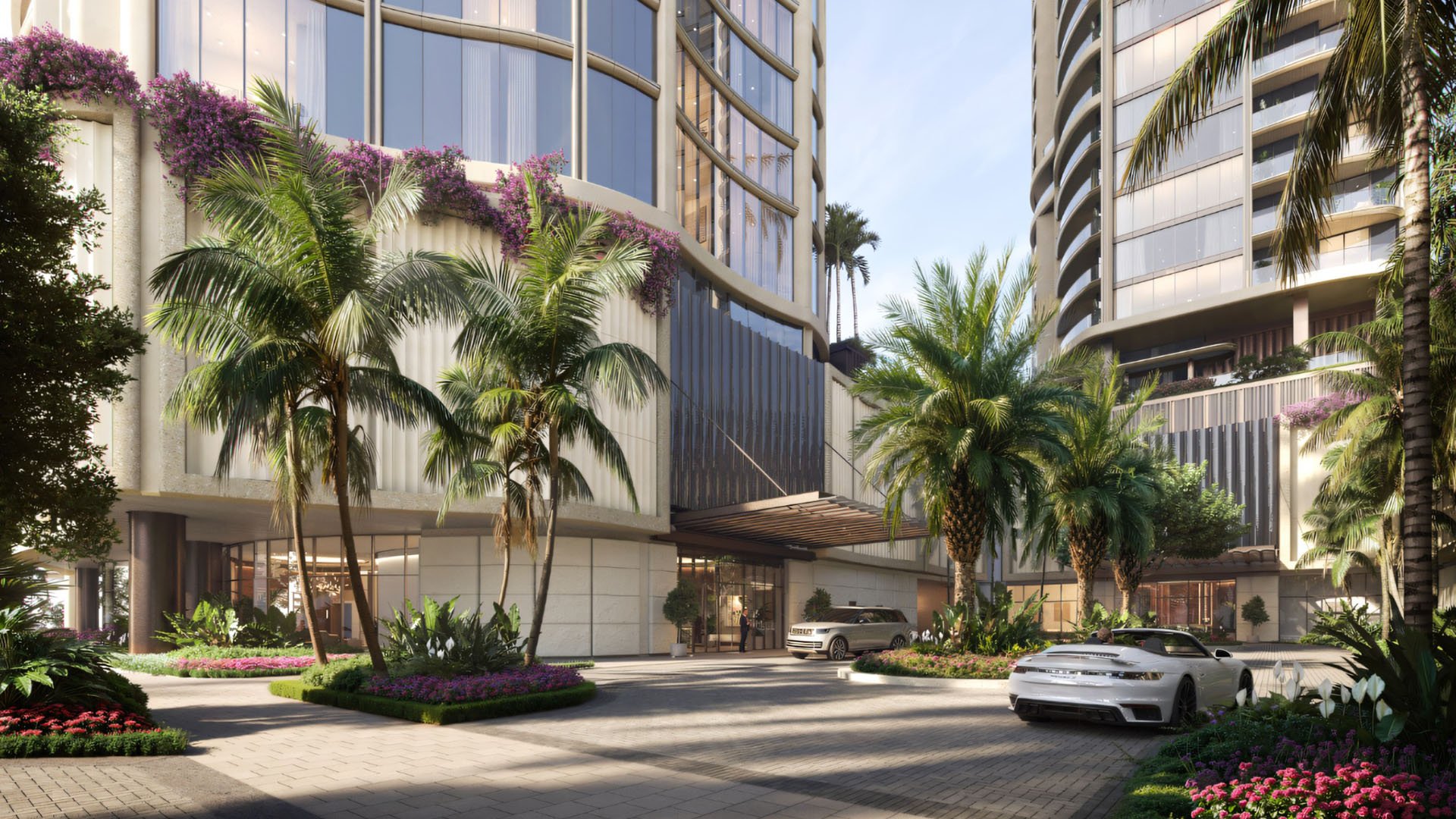
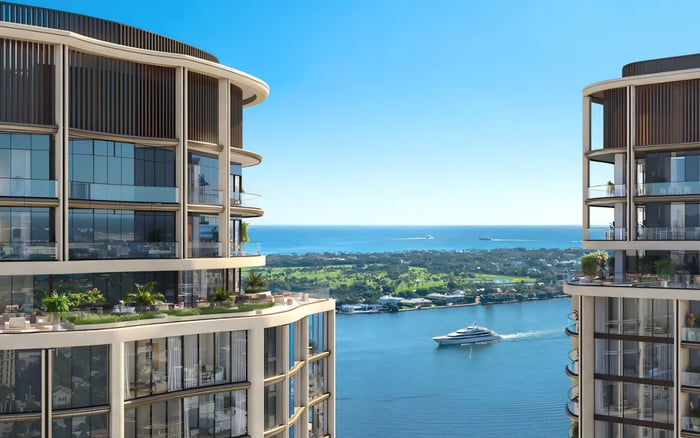
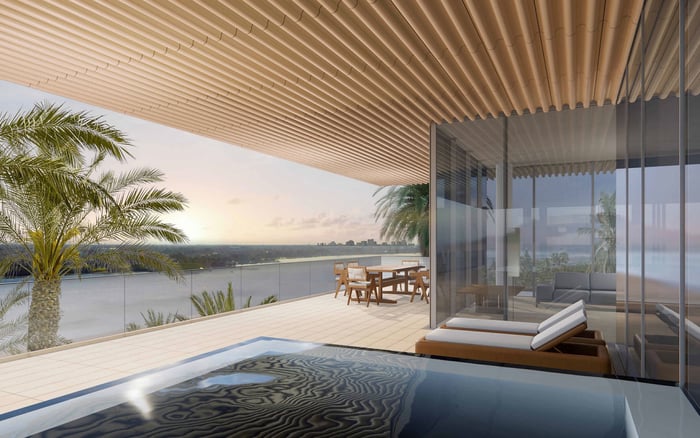
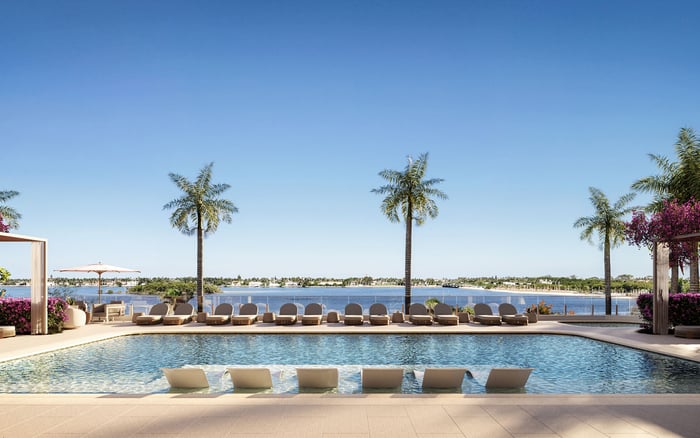
At Edgeworth West Palm Beach, the announced vision is unmistakably residential: a planned waterfront condominium by Related Ross at 1155 South Flagler Drive, with 168 residences, including nine penthouses. One- to five-bedroom configurations, each with a private elevator, and interiors by MAWD | March and White Design establish the design ambitions.
For a serious buyer, however, the next conversation should move beyond the residence-to the parcel’s history, the elevation of essential equipment, and the procedures governing shutdown and recovery. Luxury positioning, newer construction, and private elevators do not establish superior flood resilience.
The distinction is between an attractive specification and a documented operating capability. Neither the waterfront setting nor the presence of a garage, on its own, establishes a particular flood-zone designation or equipment exposure.
Begin with a precise request: what available flood-loss records relate to the parcel, which structures did they concern, and what repairs followed? Request supporting documentation from the developer, seller, or relevant insurer rather than accepting a broad assurance about the address.
For a planned condominium, prior site improvements and the future building must remain separate subjects. A loss associated with an earlier structure would not automatically describe the new design. Nor should an absence of records supplied to a buyer be treated as proof that no flooding or insured loss occurred.
Ask for the period covered by any response, the property or improvements identified, and available repair documentation. Have advisers distinguish an insurance claim from a physical flooding event: whether water reached the property is a different question from whether an insurer paid a loss.
Do not characterize Edgeworth as either claim-free or previously flood-damaged without property-specific documentation supporting that conclusion.
Request the current flood determination and available elevation documentation for the parcel. The review should identify the applicable flood zone and base flood elevation, then show how the lobby, garage, and critical equipment rooms relate to that elevation and the project’s design flood levels.
In West Palm Beach, buyers can call 561-805-6705 for property-specific flood-zone information and ask whether the property lies in an area that has experienced flooding. Coastal erosion exposure and natural floodplain functions warrant inquiry as well. Check current flood-map information rather than relying on an older sales presentation.
For buyers also considering Alba West Palm Beach, use the same questions and document categories. This is a consistent diligence standard, not an assertion that the buildings share a flood zone, garage arrangement, or protection strategy.
The garage discussion should begin with geometry. Is parking at, above, or below grade? Where could water enter? Ask the design team to explain ramps, openings, drainage paths, and any proposed barriers or pumps through drawings, not descriptive language alone.
Then request the locations and elevations of switchgear, transformers, fire-pump controllers, domestic-water pumps, sewer lift stations, generators, fuel tanks, and telecom rooms. Ask which systems, if any, are within or connected to garage-level spaces and how their positions relate to design flood levels.
The objective is not to presume that Edgeworth places essential equipment in vulnerable locations. It is to establish what the design actually provides. Parking exposure and equipment exposure are distinct questions; a review focused exclusively on vehicles can leave essential building services unexamined.
Where protective measures are proposed, ask who deploys them, what triggers deployment, how they are maintained, and what happens if normal electrical service is unavailable. These are questions requiring project-specific answers, not confirmed features.
“Backup power” is a starting point, not a complete answer. Request a schedule identifying which elevators, pumps, lights, communications systems, and cooling functions would operate during an outage. Clarify whether the proposed service extends into residences or is limited to specified building functions.
For private elevators, ask exactly what emergency operation is contemplated. A private-elevator configuration does not establish that every elevator would remain available throughout an outage.
Request the intended operating duration under the stated load, fuel-storage arrangements, and resupply assumptions. Ask how access restrictions or a delayed delivery would affect that duration. The response should distinguish design intent from an operating commitment.
As the project advances, ask which specifications remain subject to change and what documentation will confirm the installed systems. An engineer’s review should examine the relationship between equipment protection, supported services, and the practical conditions required for operation.
Business continuity in a residential building means organizing shutdown and recovery, not promising uninterrupted occupancy. Request the proposed hurricane operations plan, including warning procedures, shutdown responsibilities, evacuation communications, and the conditions for restarting services.
For an owner away during a storm, practical questions matter. Who sends updates? Which channels are used if ordinary communications fail? Who can inspect a residence when access is permitted, and what authorization would be required?
Ask where management would work if its usual office became unavailable, how vital records would remain accessible, and whether recovery vendors have been prearranged. Seek clarity on inspection, equipment service, water removal, and the process for communicating restoration milestones.
Apply the same scrutiny when reviewing Forté on Flagler West Palm Beach. The comparison concerns documented responsibilities and recovery procedures, not an assumed difference in resilience. No continuity plan should be interpreted as permission to disregard evacuation orders or return before access is authorized.
Request the anticipated association property, flood, and wind coverage, including limits, deductibles, exclusions, and insurer-required protective measures. Ask an insurance adviser to explain how the proposed association coverage relates to the buyer’s own coverage needs. Do not assume one policy answers every loss scenario.
For a planned building, distinguish anticipated terms from bound coverage. Ask when updated insurance information will become available and how changes will be communicated before closing.
Finally, assemble a written schedule of outstanding questions. Each item should identify the requested document, the person responsible for answering, and the stage at which the answer is expected. Keep confirmed facts, proposed specifications, and unresolved items visibly separate.
This is not a search for an absolute guarantee. It is a disciplined way to understand what is protected, what may stop operating, and how recovery would be managed. The strongest purchase decision connects the pleasures of the residence with a clear understanding of the building beneath it.
For a discreet conversation about evaluating South Florida residences, connect with MILLION.
If branded residences are on your mind — as a home or as an allocation — we would be glad to share what we are seeing, privately.
Begin a quiet conversationEdgeworth is a planned waterfront condominium by Related Ross at 1155 South Flagler Drive in West Palm Beach.
The announced plan includes 168 residences, including nine penthouses, with one- to five-bedroom configurations and a private elevator for each residence.
No. Request available property-specific loss records and distinguish prior site improvements from the planned condominium before drawing a conclusion.
No. Request a current property-specific flood determination rather than inferring a designation from the waterfront location.
Buyers can call 561-805-6705 for property-specific flood-zone information in West Palm Beach and ask whether the property lies in an area with previous flooding.
Ask whether parking is at, above, or below grade and request drawings explaining potential water-entry paths, drainage, and any proposed protective measures.
Request locations and elevations for electrical equipment, pump systems, generators, fuel tanks, and telecom rooms relative to design flood levels.
No. Ask which elevators would receive backup power, how they would operate, and what limits would apply.
It should address shutdown responsibilities, resident communications, management relocation, records access, and recovery arrangements. It is not a guarantee of uninterrupted occupancy or an alternative to evacuation orders.
Request anticipated association property, flood, and wind coverage, including limits, deductibles, exclusions, and required protective measures. Distinguish proposed terms from bound coverage with an insurance adviser.