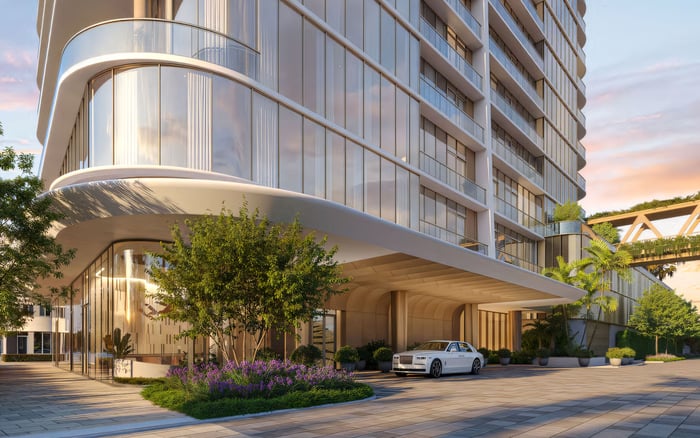
Five Edgewater addresses offer compelling starting points for private, lock-and-leave living. For buyers using trusts or entities, the decisive questions concern verified elevator alternatives, mobility access, ownership approvals and who can act when the owner is away.
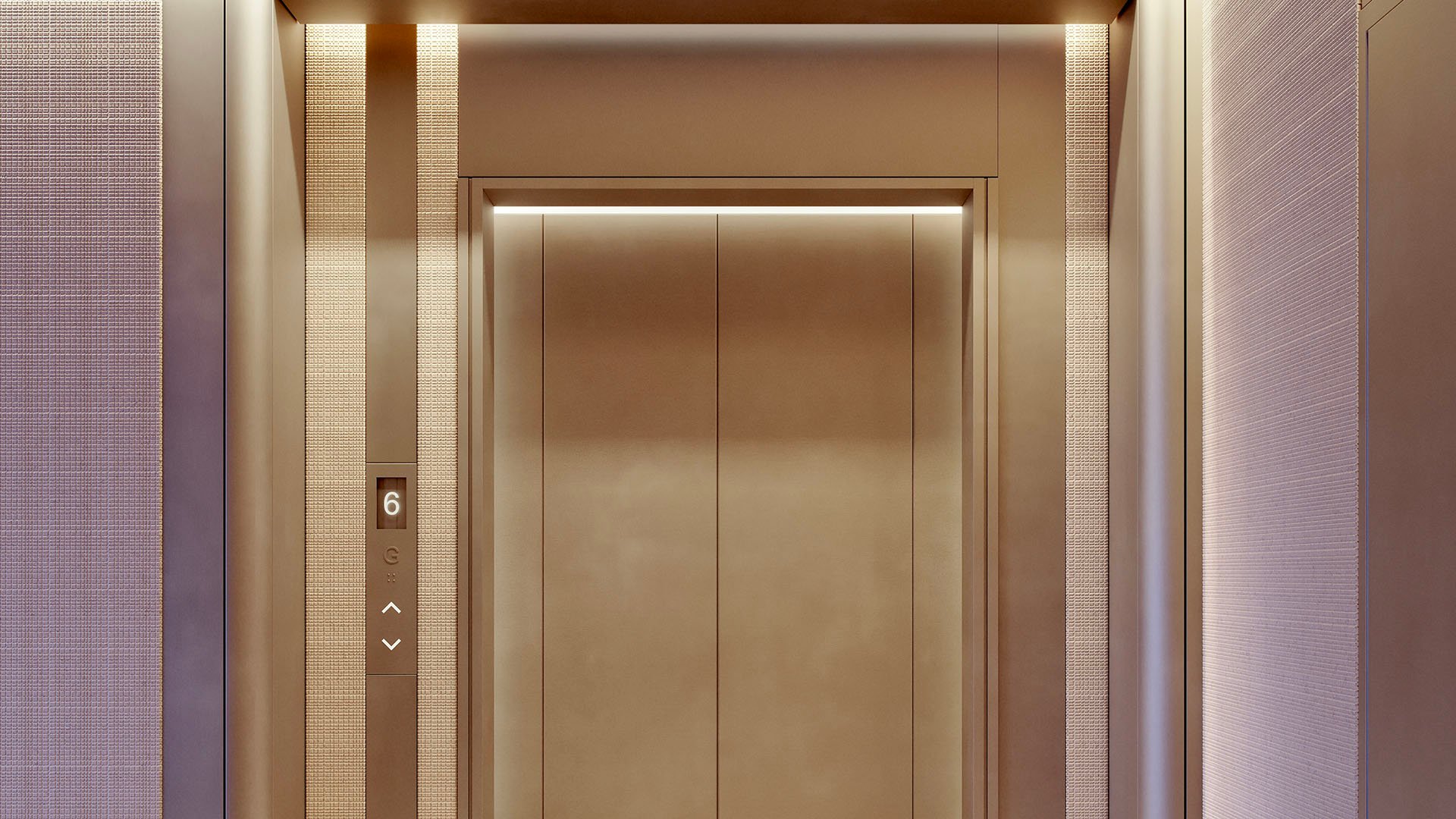
A high-floor residence should make arrival effortless and departure uncomplicated. For an owner purchasing through a trust or entity, that promise depends on more than a private foyer. The practical questions are who may enter, who can authorize assistance and what happens when the usual elevator is unavailable.
These five Edgewater options offer different combinations of private arrival and residential services. None should be treated as having verified elevator redundancy or confirmed suitability for a particular ownership structure. Waterfront appeal belongs alongside, not ahead of, operational diligence.
For buyers considering EDITION Edgewater, the distinction is especially important: its planned semi-private elevators and private foyers describe an arrival arrangement, not a dedicated elevator for each residence or a confirmed backup system.
1. Elysee Miami - 788 NE 23rd Street
Elysee offers the strongest combination here of low residential density, private arrival and listed services. Its 100 residences span 57 stories, with two residences per floor. Private high-speed elevators and private entry foyers are advertised for all residences. The homes are described as half-floor corner residences with ceilings of at least 10 feet and terraces facing east and west.
For an owner who travels frequently, the service package is particularly relevant: 24-hour security/front desk, valet parking, package receiving and storage, and concierge service. These features make Elysee a compelling first appointment, but they do not establish in-residence supervision during an absence. Confirm the elevator arrangement for the selected home and the procedure for admitting an authorized representative.
2. EDITION Residences Edgewater - 2121 N Bayshore Drive
EDITION's planned semi-private elevators lead to private residential foyers. This arrangement gives buyers a clear starting point for evaluating controlled arrival without assuming an individually dedicated elevator. Its marketed amenity program includes four guest suites for residents' use, a fitness center, a yoga studio and a full spa treatment program.
The appeal is a private residential setting with a broader lifestyle offering. For lock-and-leave use, however, clarify how owner credentials, guest permissions and representative access would work. Treat the features as planned or marketed, and establish completion and occupancy status separately before aligning the purchase with a relocation or seasonal-use schedule.
3. Aria on the Bay - verify the individual residence
Aria on the Bay earns its place through residence-specific evidence. Unit 4309 has been advertised as a two-bedroom-plus-den, three-bathroom home with private elevator entry. That is a useful starting point for a viewing, not a building-wide assurance that every residence shares the same access configuration.
The next step is to inspect the exact home under consideration. Confirm where its elevator opens, how access permissions work and whether an alternative route reaches that residence when its usual elevator is unavailable. Do not infer current availability from the unit reference.
4. Paramount Bay - private arrival with operational questions
Paramount Bay is described as offering private elevator access and exclusive elevator lobbies. For buyers seeking a more discreet transition from common areas to home, that arrangement merits attention.
The purchase decision should turn on details beyond the lobby: which elevators serve the selected residence, whether another car can provide access during maintenance and what permissions govern any alternative route. Private access alone does not establish reliability, emergency-power coverage or suitability for a resident with mobility requirements.
5. Gran Paraiso - dedicated residential entry foyers
Gran Paraiso's described combination of private elevator access and dedicated entry foyers offers another option for buyers prioritizing arrival privacy. It belongs on the shortlist for that configuration, not for an assumed level of operational redundancy.
Inspect the route from vehicle arrival to the residence with the intended occupants in mind. The foyer is only one part of that journey. Building-level confirmation of elevator alternatives, service-elevator access and step-free circulation remains essential before treating a high-floor home as a practical long-term fit.
An elevator that opens privately into a residence answers a privacy question. It does not answer the continuity question: can the resident still reach home when that elevator is unavailable?
Request elevator-bank diagrams showing which cars serve the intended floor and how residents move between them. Obtain maintenance and outage procedures, service-elevator rules and written clarification of emergency-power coverage. Ask whether an alternative car reaches an accessible entrance to the same home, rather than merely the same floor.
Mobility planning should include a physical route review. Confirm step-free access, door and equipment clearances, and maneuvering space along the intended path. Review emergency procedures separately from ordinary maintenance access; do not assume an everyday alternative will be available in an emergency.
If Aria Reserve Miami also enters the search, apply the same questions independently. It is a separate project from Aria on the Bay, and the unit-specific elevator detail above should not be transferred to it.
The legal owner and the person arriving at the front desk may not be the same. Before committing, have counsel review association rules for the proposed titleholder, approval requirements and supporting documentation. The quality of a residence is no basis for presuming building-specific acceptance of a trust or entity.
Clarify who may hold credentials, register guests and authorize entry for household staff or service providers. Ask how changes to trustees, managers or authorized occupants must be communicated and whether those changes require additional approval.
For extended absences, establish a written contact and authorization plan. Identify who may approve urgent work, receive notices and coordinate access. Ask which services the building provides and which require separate arrangements. Concierge availability and package storage are not promises to inspect or manage the home's interior.
Guest suites, wellness spaces and a gracious foyer can enrich occasional occupancy. Their value still depends on practical terms: reservation procedures, access permissions and restrictions affecting guests or authorized users. At EDITION, the four marketed guest suites are a reason to ask these questions, not to assume unrestricted availability.
Buyers also considering Villa Miami should bring the same ownership requirements to that conversation. Keep lifestyle preferences separate from the documents needed to establish access, mobility and absence arrangements.
Elysee leads this shortlist for its combination of low density, private access and listed services. The remaining options offer distinct arrival configurations worth examining at both building and residence level. The final choice should rest on written ownership approvals and a credible access plan, not the private-elevator label alone.
For a discreet conversation about your Edgewater ownership priorities, connect with MILLION.
If branded residences are on your mind — as a home or as an allocation — we would be glad to share what we are seeing, privately.
Begin a quiet conversationElysee Miami ranks first for its combination of 100 residences across 57 stories, private elevator access and listed concierge, security, valet and package services.
No. Buyers should separately verify alternate elevator access, emergency-power coverage and procedures during maintenance or outages.
Its planned arrangement uses semi-private elevators leading to private residential foyers. That does not establish an individually dedicated elevator for each home.
The amenities are described as planned or marketed. Buyers should establish completion, occupancy and operational status before relying on them.
That is not established. The private-entry detail concerns Unit 4309 and should be verified independently for any other residence.
Paramount Bay is described as offering private elevator access and exclusive elevator lobbies. Elevator reliability and alternate access still require building-level verification.
Gran Paraiso is described as offering private elevator access with dedicated residential entry foyers. Those features do not establish backup capacity or step-free alternatives.
No building-specific acceptance requirements are established here. Counsel should review association rules, approvals, documentation and authorized-user arrangements.
Review the complete route to the selected residence, including step-free access, door and equipment clearances, and maneuvering space. Verify alternate elevator routes and emergency procedures separately.
It should not be assumed to include interior inspections or property management. Confirm the service scope and arrange written authorization for a representative when needed.