A private-client framework for evaluating West Palm Beach waterfront access, separating residential arrival, public docks, beach conditions and event restrictions before making a purchase decision.
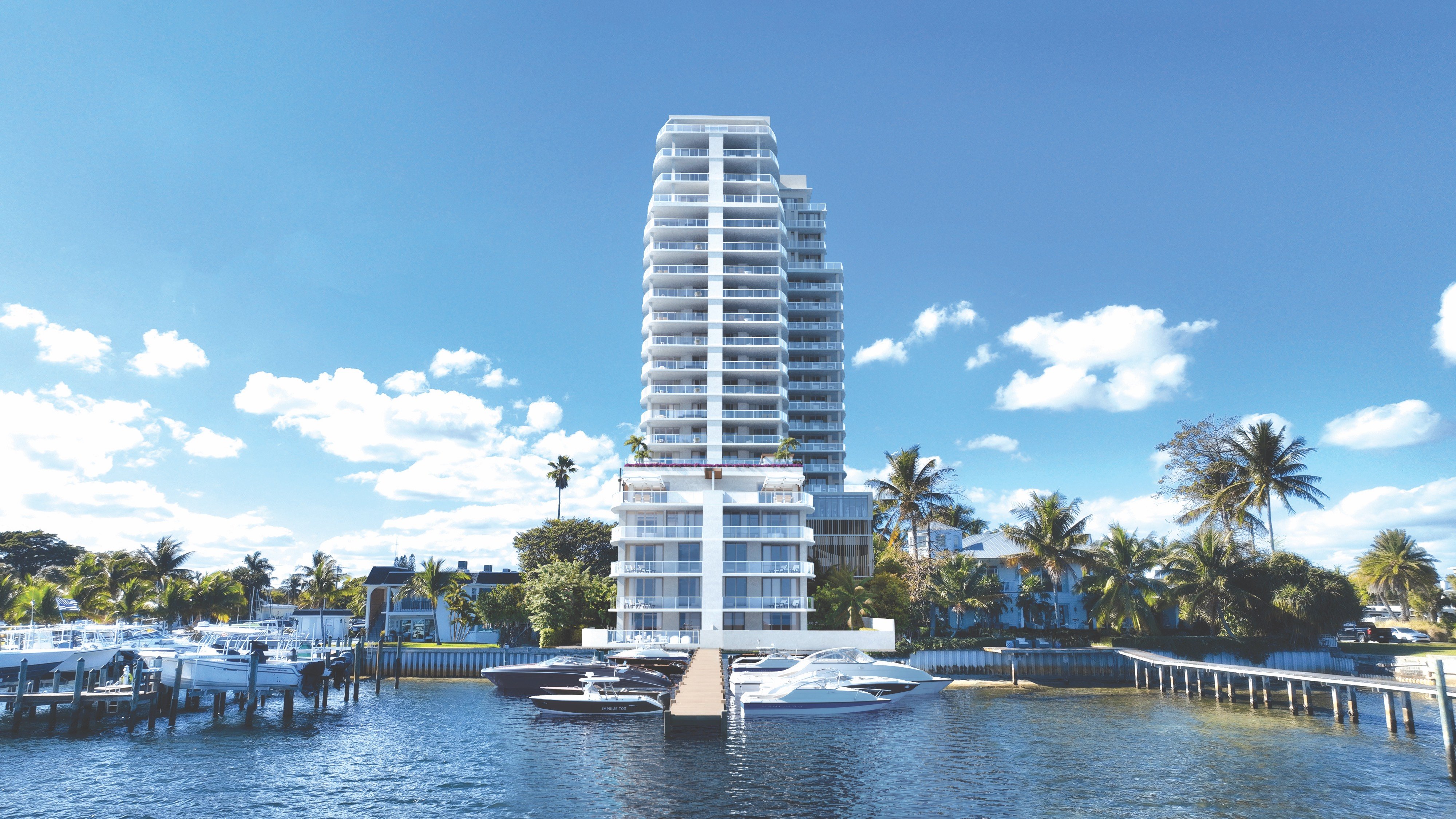
For a West Palm Beach buyer, the waterfront is both a setting and part of daily life. A morning walk, an afternoon swim and an evening arrival by boat involve different destinations, permissions and operating conditions. The private-client question is not simply whether a residence is near the water, but which experiences remain available when weather, maintenance or an event interrupts the routine.
Begin with five separate checks: building access, approach roads, parking, public docks and swimming conditions. A restriction affecting one does not establish the status of the others. An open road does not confirm an open dock, and an accessible beach does not establish safe swimming.
For a buyer considering Alba West Palm Beach, this distinction offers a starting point for conversations with building management. Define the intended waterfront routine, then verify the arrangements that support it. Proximity should never substitute for confirmed access rights.
Currie Park, at 2400 N. Flagler Drive, is an Intracoastal water-access location. Its published hours are sunrise to sunset, year-round. Those hours establish the ordinary operating baseline, not a guarantee of access during a disruption. Nor do they turn an Intracoastal destination into an ocean beach.
That distinction belongs early in a purchase review. Clarify whether the desired experience is waterfront recreation, dock use or swimming at an ocean beach. Each needs its own destination and access check, rather than being folded into a broad promise of waterfront living.
When reviewing Forté on Flagler West Palm Beach, apply the same discipline: request address-specific information rather than assuming a waterside setting establishes private dock rights, ocean-beach access or uninterrupted arrival. These are verification questions, not conclusions about the property.
Weather can interrupt waterfront programming without establishing the status of surrounding facilities. The early-October 2026 cancellation of Clematis by Night because of predicted heavy rain illustrates the distinction. It should not be read as a beach closure, a dock closure or an evacuation order.
For a beach visit, check the Daily Conditions Board and warning flags at the lifeguard tower upon arrival. Conditions can change throughout the day; an earlier check is no substitute for current on-site information. Physical access to the sand and suitable conditions for entering the water remain separate questions.
Most county swimming areas have lifeguard coverage seven days a week, year-round, from 9:00 a.m. to 5:20 p.m., with exceptions at DuBois Park and Peanut Island. Those hours do not assure safe swimming or uninterrupted beach access.
For residential planning, ask management how weather-related changes to entrances, parking and any waterfront facilities are communicated. Where a marina is involved, confirm arrangements directly with the operator. Public access notices do not establish private operating rules or continuity of residential access.
Special events warrant more precision than a general warning that downtown will be busy. On March 19, 2026, Thursday Clematis by Night street closures were scheduled from 1:30 p.m. to 10 p.m. The affected segments included North and South Clematis Streets between Narcissus Avenue and Flagler Drive, and Lantana Avenue between Banyan Boulevard and North Clematis Street.
The 2026 Independence Day restrictions were planned on a different scale. Road closures were scheduled to begin July 2 at 4 p.m. and continue through July 5, including Flagler Drive between Banyan Boulevard and Lakeview Avenue. The July 4 dock closure window was 6:00 a.m. to 11:30 p.m., restricting pedestrian access and prohibiting docking. Special-event parking rates were a separate consideration.
These dated schedules are examples, not current operating conditions or guaranteed annual patterns. Their value lies in the distinction they reveal: road restrictions, dock restrictions and parking charges can operate on different terms.
For a household evaluating Mr. C Residences West Palm Beach, the practical question is how a planned arrival would work during an event. Ask management to explain the relevant approach, guest arrival arrangements and any alternative access. Do not presume that a nearby public closure affects the building itself.
Maintenance is another reason to read restrictions narrowly. In early October 2026, the Banyan Boulevard railroad crossing was scheduled for a full closure through October 3 at 6 p.m. A full closure of the Clematis Street railroad crossing was also scheduled from October 4 at 6 p.m. to October 6 at 6 p.m.
During those crossing improvements, Clematis Garage remained open and accessible from Banyan Boulevard and Clematis Street. A closed crossing did not mean a closed garage.
For purchase diligence, trace the intended journey to the entrance rather than stopping at the first closure notice. Check the affected street segment, scheduled hours and available approach. Events, construction, markets and special activities can each change traffic patterns, parking availability and road access. Allow extra travel time during major events, but do not treat it as a substitute for confirming a viable route.
For an owner arriving intermittently, a concise access brief is more useful than a broad assurance of convenience. Request a management contact, the ordinary residential approach and instructions for checking changes before arrival. Keep public waterfront plans separate from the building's own arrangements.
A review of Shorecrest Flagler Drive West Palm Beach can follow the same framework. Ask which access arrangements are documented, who communicates temporary changes and which questions belong with a marina operator rather than building management. Do not assume that any particular private facility or access entitlement exists.
Before each relevant outing, check current road and dock restrictions, confirm parking arrangements and assess the destination separately. For swimming, complete the review at the beach with current conditions and flags. For docking, verify the applicable permission and operating status.
The dated examples above do not establish annual closure frequency, average disruption duration or property-specific effects. They support a narrower, more useful conclusion: waterfront access requires separate checks, and each deserves a clear answer.
A well-prepared buyer distinguishes what is ordinarily available from what has been confirmed for a particular day. The objective is not to expect an unchanging waterfront, but to understand the arrangements behind the lifestyle before committing to an address.
For a discreet conversation about your West Palm Beach residential priorities, connect with MILLION.
If branded residences are on your mind — as a home or as an allocation — we would be glad to share what we are seeing, privately.
Begin a quiet conversationNo. Currie Park is an Intracoastal water-access location, and that designation does not establish ocean-beach access.
Currie Park is at 2400 N. Flagler Drive, with published hours of sunrise to sunset, year-round. Those baseline hours do not confirm access during a disruption.
No. Check the Daily Conditions Board and warning flags at the lifeguard tower upon arrival, because conditions can change throughout the day.
Most have coverage seven days a week, year-round, from 9:00 a.m. to 5:20 p.m. DuBois Park and Peanut Island are exceptions.
No. An event cancellation does not establish a beach closure, dock closure or evacuation order; each status requires a separate check.
The dock closure window was 6:00 a.m. to 11:30 p.m., restricting pedestrian access and prohibiting docking. That dated example is not a current access confirmation or guaranteed annual schedule.
Yes. During the October 2026 railroad crossing improvements described here, Clematis Garage remained open and accessible from Banyan Boulevard and Clematis Street.
Yes. The 2026 Independence Day restrictions included special-event parking rates, so road availability alone did not resolve parking cost.
Confirm address-specific residential arrangements with building management and marina arrangements with the operator. Public notices do not establish private dock rights or uninterrupted residential access.
No. They do not establish annual closure frequency, average disruption duration or property-specific effects.