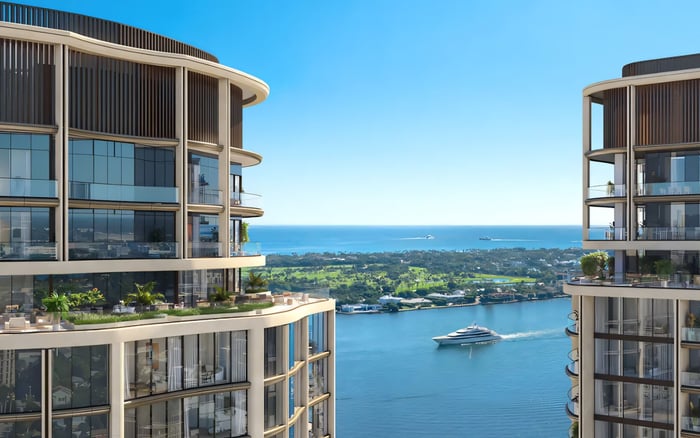
A Palm Beach residence intended for more than winter calls for a broader ownership brief. For Chicago buyers, the essential decisions include flexible use, post-purchase taxes, flood coverage, and a documented plan for periods away.
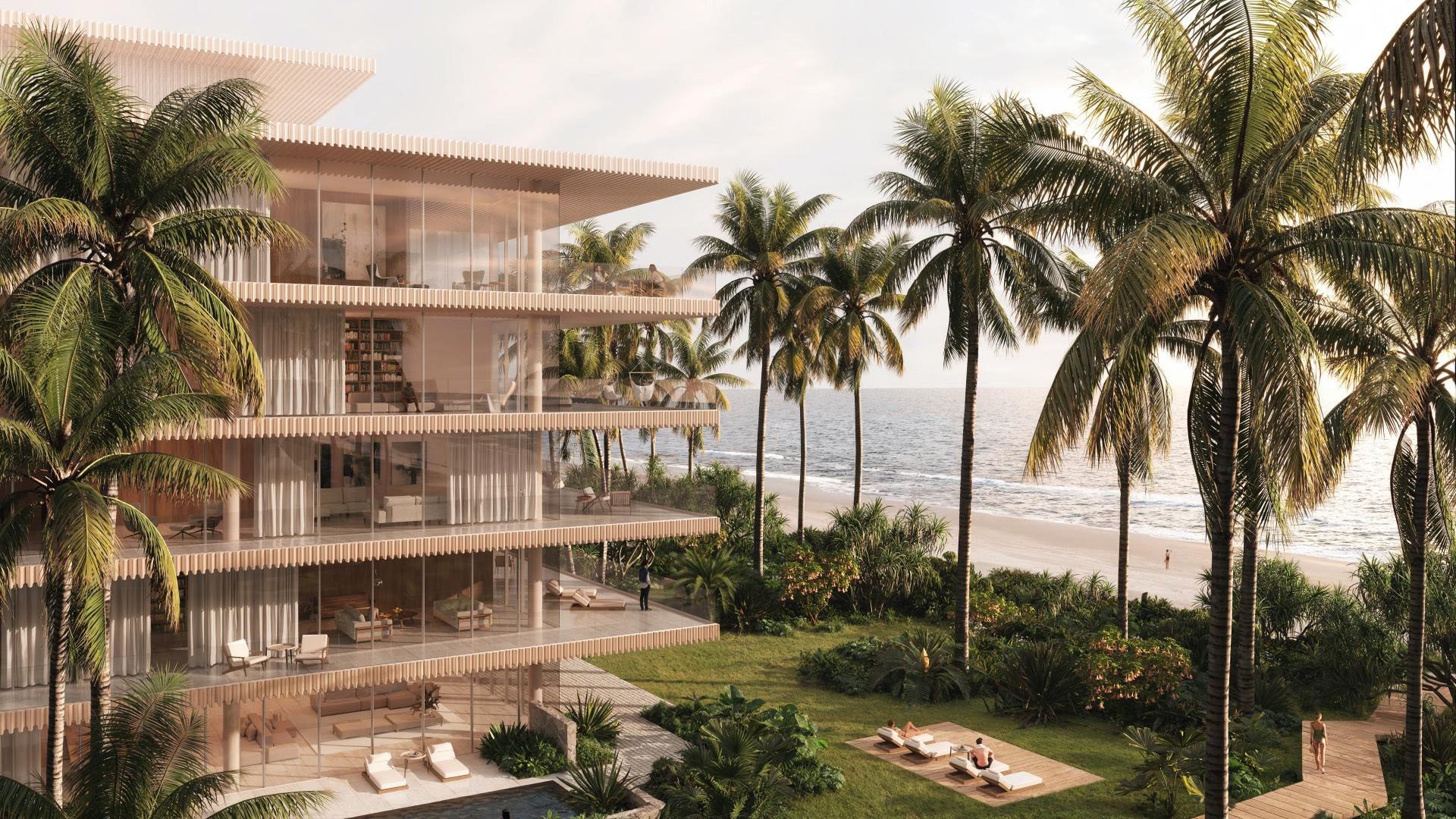
For a Chicago household considering Palm Beach, the purchase brief should extend beyond a winter escape. A residence intended for shoulder-season visits must answer a more personal question: how comfortably will it support an ordinary week, an abbreviated stay, or a departure with no fixed return date? The goal is not simply more nights in Florida. It is a home whose financial and practical arrangements suit the way its owners intend to live.
Start by sketching several patterns of use rather than committing to a fixed seasonal calendar. Consider a longer winter stay, shorter visits on either side, and intervals when the residence will be empty. These are planning scenarios, not promises about weather or travel convenience. They establish what to investigate before choosing a property and which responsibilities need attention when Chicago remains the primary base.
Write a residential brief before allowing a particular floor plan to define it. Would a short visit require a dedicated workspace? Would guests overlap with working days? How much preparation would feel acceptable before arrival? Test these questions during viewings rather than assuming a larger residence is necessarily a better fit.
If West Palm Beach enters the search, consider Alba West Palm Beach against that same brief. Ask for property-specific answers about access, owner responsibilities, and arrangements during absences. The objective is to understand the residence under consideration, not to infer ease of ownership from its presentation.
For interiors, distinguish preferences from necessities. Consider whether you want belongings left in place between visits, a room that can serve more than one purpose, or an arrival routine that requires little rearrangement. These are design priorities to discuss with your advisers, not features to presume any project provides.
A carefully considered residence needs an equally considered annual budget. Property taxes depend on assessed value, applicable millage rates, and exemptions. A change of ownership can trigger reassessment at market value, so the seller’s current tax bill should not become the default assumption for your own costs.
Build the comparison around the likely post-purchase assessment. Ask your advisers to separate what is known from what remains an estimate, particularly where the seller benefits from assessment treatment or exemptions that may not continue after a sale. The distinction matters whether the property will host a full winter or a series of shorter stays.
A buyer considering Mr. C Residences West Palm Beach should apply the same discipline: establish the tax assumptions for the specific purchase before deciding what the residence costs to own. Evaluate annual commitments separately from the number of nights you expect to spend there. More frequent use does not replace careful underwriting.
Owning a Palm Beach residence does not automatically establish eligibility for Florida’s homestead exemption. The exemption is intended for a qualifying permanent residence. Evaluate a seasonal purchase on its own terms, without treating potential homestead savings as an automatic component of affordability.
Exemptions reduce assessed value for tax purposes and can reduce the property tax payable. Applications for homestead exemption generally must be filed by March 1 of the year for which the benefit is sought. That deadline belongs in the planning conversation only alongside a clear understanding of whether the owner qualifies.
For a household retaining its Chicago home, separate three decisions: where to purchase, how to use the residence, and whether any change in permanent-residence status is appropriate. Obtain individualized legal and tax advice before connecting those decisions. A longer Florida calendar does not, by itself, establish homestead eligibility or tax residency.
Flood insurance deserves its own discussion, not a passing reference within the purchase budget. Coverage is mandatory for properties in a Special Flood Hazard Area financed with a federally backed mortgage. Even where coverage is not legally required, buyers should seriously consider flood insurance. The absence of a mandate does not mean the absence of exposure.
Flood coverage can apply separately to a building and its contents. Review both needs, including appropriate protection for the interior and possessions you intend to leave in residence. Palm Beach County’s participation in the National Flood Insurance Program allows county residents to apply for NFIP coverage; suitability and coverage choices still warrant an individual review.
When evaluating Forté on Flagler West Palm Beach, request an address-specific insurance discussion rather than carrying over assumptions from another property. Ask an insurance professional to explain the proposed coverage and its limits. A project name, purchase price, or intended frequency of use is no substitute for that analysis.
For a residence used intermittently, consider preparing a written plan for periods away. Identify whom to contact about a property concern, who may act with your authorization, and where relevant documents will be kept. Confirm proposed arrangements directly rather than assuming they are included in ownership or building services.
The same questions belong in a review of Shorecrest Flagler Drive West Palm Beach: what would you need to arrange independently, and what must be confirmed in the governing documents or service agreements? Request written answers where responsibilities affect your decision.
Documentation also matters if a major event causes damage. Retain insurance records, utility bills, contractor statements, permits, photographs, and occupancy documentation. These materials can support an application for disaster-related tax relief, subject to the relevant requirements. Organizing them in advance is a practical recommendation, not an assurance that relief will be available.
Extensive damage from a fire, flood, hurricane, or another major event may affect a property’s assessment. Because assessments reflect January 1 conditions, a damage-related value reduction is typically reflected on the following November’s tax bill. Do not assume an assessment adjustment will immediately offset an unexpected expense.
Certain residential properties rendered uninhabitable for at least 30 days by a catastrophic event may qualify for property-tax relief. Eligibility, documentation, and filing deadlines apply; absence from the home alone should not be treated as sufficient proof.
The strongest purchase brief brings these considerations together: a residence suited to your preferred visits, a budget based on your ownership, appropriate insurance review, and clear responsibilities when you are away. That is a more useful foundation for extending Palm Beach life beyond winter than simply adding dates to a calendar.
Explore residences aligned with your seasonal plans through MILLION.
If branded residences are on your mind — as a home or as an allocation — we would be glad to share what we are seeing, privately.
Begin a quiet conversationDevelop several possible patterns of use, including extended stays, shorter visits, and periods away. Use those scenarios to assess the residence and identify responsibilities before purchasing.
Do not assume it represents your future liability. A change of ownership can trigger reassessment at market value, so budget around the likely post-purchase assessment.
No. Florida’s homestead exemption is intended for a qualifying permanent residence, not automatically for a seasonal home.
Applications generally must be filed by March 1 of the year for which the benefit is sought. Confirm eligibility before incorporating the exemption into your ownership budget.
Property taxes depend on assessed value, applicable millage rates, and exemptions. Your ownership circumstances may differ from the seller’s.
Flood insurance is mandatory for properties in a Special Flood Hazard Area financed with a federally backed mortgage. Buyers should also seriously consider coverage when it is not legally required.
Yes. Flood coverage can apply separately to a building and its contents, so buyers should review both needs with an insurance professional.
Palm Beach County’s participation in the National Flood Insurance Program allows county residents to apply. Coverage choices should still be evaluated for the particular property.
Certain residential properties rendered uninhabitable for at least 30 days by a catastrophic event may qualify. Eligibility, supporting documentation, and filing deadlines apply.
Keep insurance records, utility bills, contractor statements, permits, photographs, and occupancy documentation. These materials can help support a disaster-related tax-relief application.