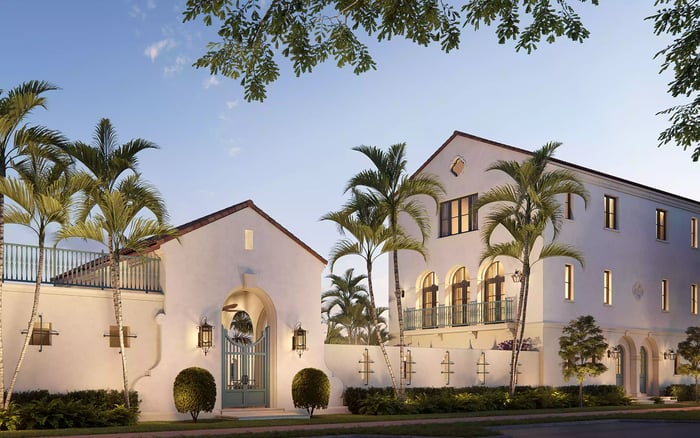
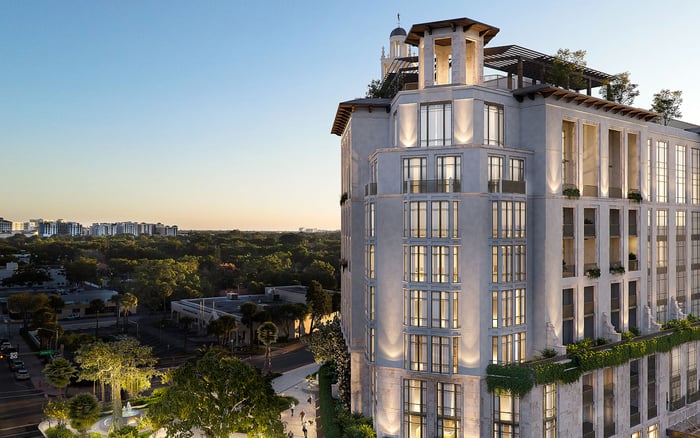
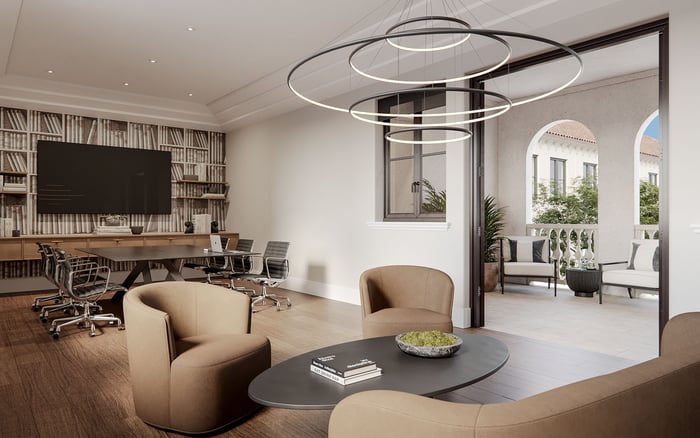
The Village at Coral Gables offers an appealing advertised wellness setting, but primary-residence buyers should distinguish the amenity collection from confirmed capacity, guest privileges, practitioner access, and recurring costs.
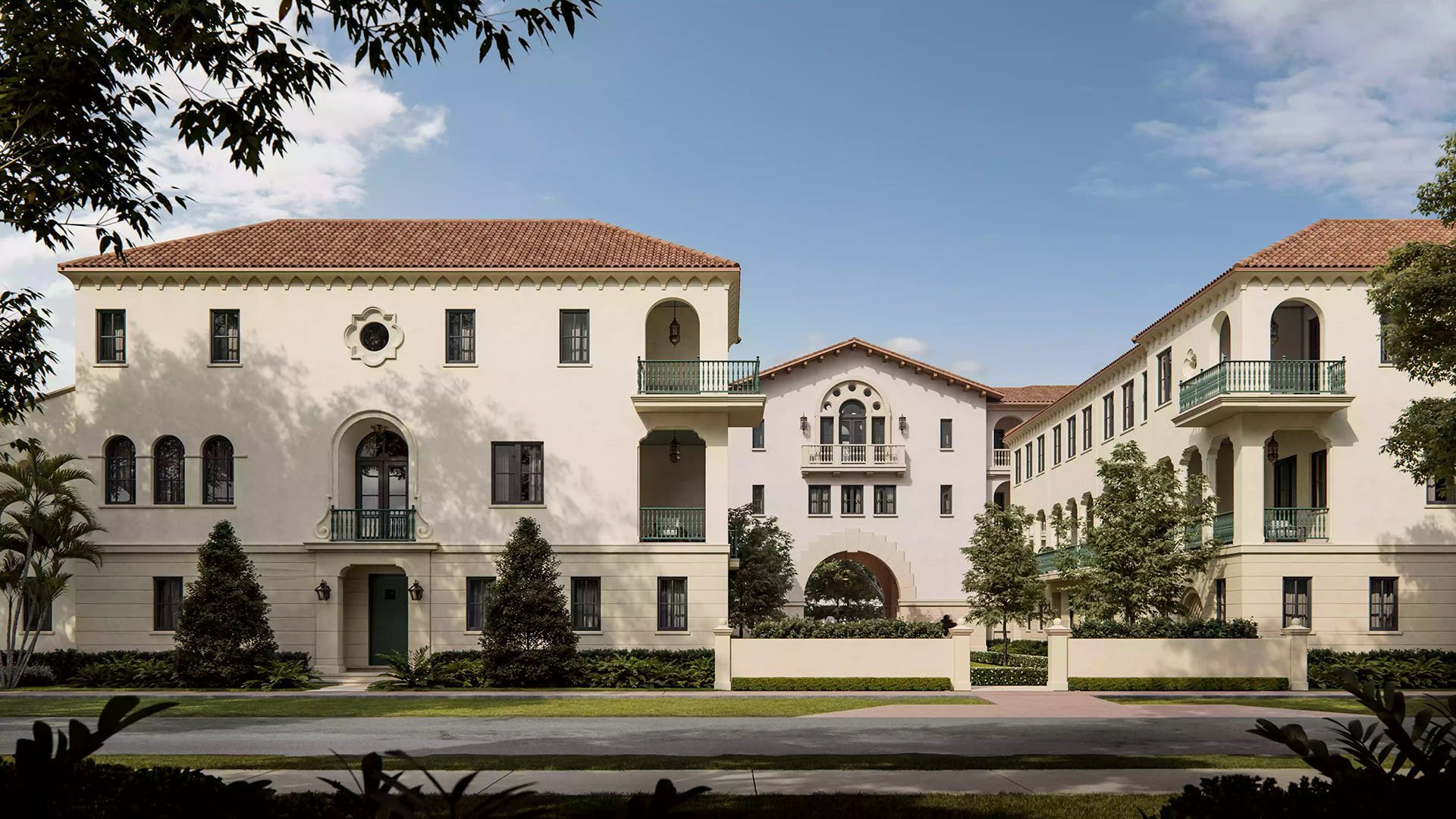
For a primary-residence buyer, luxury is measured partly in repeatable rituals: an uninterrupted morning workout, an afternoon beside the pool, or a visiting therapist who can reach the right space without uncertainty. At The Village at Coral Gables, marketed as a 48-residence community at 535 Santander Avenue, the advertised amenity collection warrants a closer look at those everyday expectations.
The essential distinction is between an advertised amenity and dependable permission to use it as intended. Fitness, relaxation, and social spaces can support an appealing residential rhythm, but their practical value depends on capacity, operating hours, eligibility, and cost. None can be inferred from the community’s residence count alone.
Start with your calendar, not the renderings: who will use each space, at what time, with which guests or professionals, and how often?
The advertised amenities include a fitness center, residential lounge, and pool oasis with a sun-bed relaxation area. The advertised collection also encompasses a wellness clubhouse, fitness wing, plunge pool, indoor and outdoor terrace lounge, library, conference center, and high-speed Wi-Fi. Restorative yoga, meditation, an events clubhouse, and a high-tech business center round out the descriptions.
This collection does not necessarily represent a roster of separate facilities or scheduled services. Request final delivered specifications and a labeled amenity plan to understand how the spaces relate. In particular, clarify whether the different pool descriptions refer to the same installation rather than assuming multiple pools.
Likewise, references to yoga and meditation do not establish recurring classes, named instructors, booking procedures, or included sessions. Buyers who rely on structured programming should request a current service schedule and applicable terms before treating it as part of everyday life.
A 48-residence setting may appeal to buyers seeking a more intimate community, but residence count is not a capacity calculation. Room-by-room square footage, pool dimensions, maximum bather load, fitness-center occupancy limits, and locker counts remain unconfirmed.
Request the usable exercise area, equipment inventory, posted occupancy limits, and pool specifications. Then assess those details against your preferred hours. A facility can meet its stated occupancy limit without delivering the quiet, equipment availability, or personal space your household expects.
Operating hours and maintenance closures matter just as much. Ask whether organized sessions or private reservations would reduce general access and how residents would be notified of interruptions. These are diligence questions, not confirmed restrictions.
When comparing Ponce Park Coral Gables, use the same capacity checklist rather than assuming an amenity label promises equivalent day-to-day usefulness across properties.
References to residents establish neither an owners-only rule nor guest privileges. Guest quotas, registration procedures, visiting hours, and space-specific eligibility remain unresolved. Accompaniment requirements, identification, waivers, day-use fees, and distinct privileges for overnight visitors also remain unspecified.
For a primary home, these details can determine whether hosting feels effortless. Ask separately about a visiting adult child, an overnight couple, a daytime friend, and a minor accompanied by a resident. Each is a useful scenario to put to management; none should be presumed eligible.
Seek written answers for the pool, fitness center, lounge, and any programmed activities individually. Permission to enter the community is not permission to use every amenity. Confirm sponsorship limits, children’s age restrictions, and whether a resident must remain present throughout a guest’s visit.
A formal access policy for outside personal trainers, massage therapists, physical therapists, yoga instructors, and other independent wellness practitioners remains unconfirmed. So does permission to bring a professional into shared wellness areas, along with any approval, insurance, licensing, or waiver requirements.
Distinguish a professional visiting your private residence from one conducting a session in a common area. Request the rules for both settings, including registration, permitted hours, equipment use, and any charges. Ask whether paid private or group sessions are allowed and whether an existing service agreement affects your choice of practitioner.
For buyers with an established trainer or rehabilitation routine, this can be critical to the purchase decision. Give management a precise description of the proposed appointment and seek written confirmation. A broad assurance about wellness cannot substitute for approval of the arrangement you intend to maintain.
Described concierge services are available to unit owners who pay additional fees. That condition should not be extended to wellness access: whether wellness access is included in association assessments, charged separately, or governed by a membership arrangement remains unconfirmed.
Request a clear breakdown of access to physical spaces, organized programming, individual appointments, guest charges, and concierge services. Review the association budget alongside any wellness-service agreements and fee schedules. The goal is not simply to identify a monthly total, but to understand what it buys.
A buyer also considering Cora Merrick Park can apply the same cost framework without assuming either property uses an equivalent service or membership model.
A residential lounge or events clubhouse may be attractive for entertaining, but reservation limits, event fees, occupancy limits, and guest restrictions for shared gathering spaces remain unspecified. Before planning regular celebrations or meetings, request the reservation policy and clarify whether private bookings affect other residents’ access.
Coral Gables’ surrounding dining, retail, and cultural attractions belong in a lifestyle assessment, but they should remain separate from development-provided services. Neighborhood convenience does not establish an included reservation service, transportation arrangement, or resident privilege.
Keep two distinct inventories: what the property is obligated to provide, and what the surrounding city allows you to enjoy independently. That distinction makes both the ownership budget and the daily routine more realistic.
Before committing, request the current declaration, association budget, amenity rules, guest policy, reservation policy, wellness-service agreements, and final delivered specifications. Review them against a sample week that includes exercise, visitors, professional appointments, and entertaining.
The Village’s advertised amenity mix offers a compelling starting point for that exercise, not a complete account of how the amenities operate. The strongest primary-residence decision aligns the spaces, permissions, and costs with the life you already lead.
For a discreet perspective on your next South Florida residence, explore MILLION.
If branded residences are on your mind — as a home or as an allocation — we would be glad to share what we are seeing, privately.
Begin a quiet conversationThe Village at Coral Gables is marketed as a 48-residence luxury community. Residence count alone does not establish amenity capacity or availability.
The project is listed at 535 Santander Avenue in Coral Gables, Florida.
The advertised amenities include a fitness center and a pool oasis with a sun-bed relaxation area, alongside a residential lounge. Additional descriptions reference wellness spaces, restorative yoga, and meditation.
Pool dimensions, maximum bather load, and fitness-center occupancy limits remain unconfirmed. Buyers should request final specifications and posted limits.
Guest eligibility is not established in the published amenity descriptions. Request written, space-specific rules covering quotas, accompaniment, registration, hours, and fees.
The published amenity descriptions do not specify distinct privileges for overnight visitors. Confirm their eligibility separately from that of daytime guests.
Outside practitioner access remains unconfirmed in the published amenity descriptions. Ask about permission, approval procedures, insurance, licensing, waivers, and charges for your intended arrangement.
Marketing references yoga and meditation but does not establish class frequency, instructors, booking procedures, guest eligibility, or additional charges. Request a current programming schedule and terms.
Described concierge services are available to unit owners for additional fees. Whether wellness access is included in assessments, separately charged, or membership-based remains unconfirmed.
Request the current declaration, association budget, amenity rules, guest and reservation policies, wellness-service agreements, and final delivered specifications. Compare their terms with your intended weekly routine.