A primary-residence buyer’s guide to evaluating Bay Harbor Towers’ insurance documents, replacement-cost valuation, code-upgrade protection and the interior exposures that belong in an owner’s HO-6 policy.
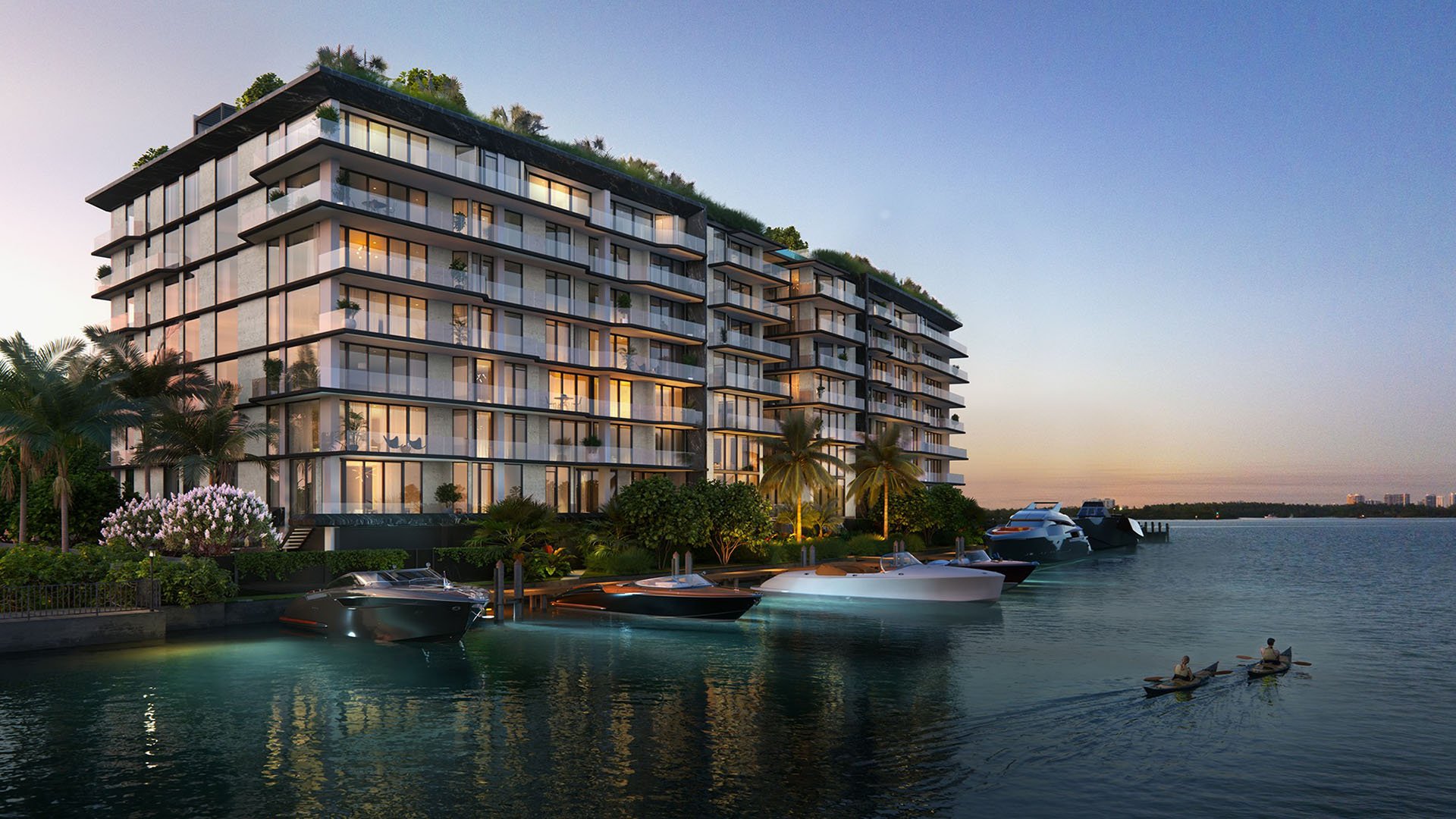
For a primary-residence buyer considering Bay Harbor Towers, insurance deserves the same scrutiny as the floor plan and finishes. The question is not simply whether the association carries coverage. It is whether the building’s insurance, the owner’s policy and the governing documents align around the home being purchased.
A beautifully finished residence can carry substantial replacement exposure outside the master policy. An insured building loss can also introduce code-compliance costs, deductibles and assessments that warrant separate review. For someone making this their everyday home, those distinctions belong in the acquisition decision-not a post-closing conversation.
Treat this as a document-led review, not a statement of Bay Harbor Towers’ current insurance terms. Establish its insurer, limits, valuation, endorsements and treatment of improvements from the association’s current documents.
Florida’s statutory baseline for association property insurance centers on condominium property as originally installed, or replaced with like kind and quality, together with qualifying alterations or additions approved through the statutory process. That baseline does not place every original interior finish within the association’s insurance responsibility.
The statutory exclusions include personal property; floor, wall and ceiling coverings; electrical fixtures; appliances; water heaters; water filters; built-in cabinets and countertops; and window treatments serving only the unit. This distinction matters even when a residence has never been remodeled.
Replacement-cost coverage addresses the valuation of covered property. It does not erase exclusions or bring every component of a finished residence into the master policy.
For buyers also considering Alana Bay Harbor Islands, the same discipline applies: compare actual insurance documents, not assumptions drawn from a development’s presentation. A finish schedule describes what you are buying; policy language helps establish who insures it.
Request the full master policy and endorsements, the latest insurance valuation and the schedule of deductibles. A certificate alone is not enough to assess the insured limit against the rebuilding estimate.
Compare the limit with the latest replacement-cost assessment. Ask how that assessment treats demolition, debris removal, professional fees, code-related costs and inflation. Establish whether these expenses are reflected in the valuation, insured separately or subject to additional limits. Do not assume one headline number resolves every category.
The objective is not to compare the building’s insurance with a residence’s purchase price. It is to understand the reconstruction assumptions underlying coverage and whether the policy responds to the costs identified in that assessment.
Where the valuation and policy differ, have the association’s insurance adviser explain the difference in writing. A primary-residence buyer needs a clear account of both insured property and potential owner exposure.
Ordinance-and-law coverage addresses additional rebuilding costs driven by updated building codes. Its presence matters, but the endorsement’s name does not establish the breadth of protection.
Review the limits and exclusions, including whether coverage responds to required work on undamaged portions of the building. Ask how code-related demolition and reconstruction expenses are treated, and whether separate limits constrain the available protection. The practical question is which mandatory expenses could remain outside coverage after a covered loss.
Bay Harbor Islands requires permits for development and improvements, making permitting and current code requirements relevant to post-loss reconstruction. This does not establish that any particular code upgrade will be required at Bay Harbor Towers. It does make the endorsement worth reading carefully before purchase.
A buyer comparing Onda Bay Harbor should apply the same test independently. Never infer coverage from another association’s arrangements.
The unit-improvement gap is the difference between the property insured by the master policy and what exists inside the purchased residence. Do not presume the association covers owner-installed upgrades, including flooring, cabinetry, appliances, lighting, built-ins and designer finishes.
Create a room-by-room inventory supported by photographs, finish specifications, renovation invoices and available permit documentation. Distinguish movable belongings from installed interiors, then have the HO-6 insurer confirm which items require owner coverage and the appropriate replacement-cost limit.
Coverage A deserves particular attention. Condominium insurance should not be treated as personal-property coverage alone when the owner also has meaningful interior and improvement exposure. Ask the insurer to explain how the proposed policy treats the finishes actually present, rather than relying on a generic allowance.
Florida generally does not require individual condominium owners to carry HO-6 insurance, although lenders or condominium documents may require it. Regardless of that requirement, the decision should reflect the residence’s uninsured interior exposure.
Bay Harbor Islands lies entirely within a special flood-hazard area and is surrounded by Biscayne Bay. External flood protection warrants a separate review; do not assume the association’s standard property insurance or the owner’s HO-6 policy includes it.
Separate flood from other water-damage scenarios when discussing coverage. Water-damage protection is policy-specific; wear and tear, gradual leaks and deferred maintenance generally are not covered by HO-6 insurance.
Ask for the applicable hurricane, named-windstorm, flood, water-damage and other-peril deductibles, along with an explanation of how loss costs are allocated. Loss-assessment coverage may help with certain assessments arising from insured association losses, but covered causes, limits and deductible-related restrictions must be checked.
For a broader search extending to Rivage Bal Harbour, keep these questions consistent while evaluating each property separately. A location comparison is not a substitute for a coverage comparison.
Read the declaration alongside the insurance documents. Florida’s condominium maintenance framework distinguishes association responsibilities from obligations assigned to unit owners. Do not infer repair responsibility solely from which policy covers an item.
Complete the review with current financial records, the proposed unit’s renovation documentation and confirmation of its exact assessment through association records and the estoppel process. A monthly maintenance figure, however substantial, is not evidence of adequate insurance or reserves.
Before closing, seek written clarity on three points: what the association insures, what the owner must insure and how uncovered costs or deductibles may reach the owner. The aim is not an assurance that every loss will be paid. It is a coherent understanding of the protection purchased, the exposure retained and the financial commitments that accompany daily life in the residence.
For a discreet, document-led approach to your next South Florida residence, connect with MILLION.
If branded residences are on your mind — as a home or as an allocation — we would be glad to share what we are seeing, privately.
Begin a quiet conversationDo not assume it does. Florida’s statutory exclusions include substantial unit interiors, and the association’s current policy must be reviewed alongside the unit’s finishes.
It addresses the valuation of covered property. It does not remove exclusions or automatically insure owner improvements.
Request the full master policy and endorsements, the latest insurance valuation and the deductible schedule. Compare the insured limit with the reconstruction assumptions in the valuation.
It addresses additional rebuilding costs required by updated building codes. Limits and exclusions determine how much protection is available.
That depends on the policy’s terms. Buyers should specifically verify whether required work on undamaged portions is covered and subject to separate limits.
It is the difference between what the master policy covers and what exists inside the purchased unit. Documenting installed finishes helps establish the owner’s insurance needs.
Inventory the unit’s interiors and improvements, then have the insurer confirm which items require owner coverage. Set limits around their replacement exposure rather than personal belongings alone.
Yes. Bay Harbor Islands lies entirely within a special flood-hazard area, and external flood coverage should not be presumed included in standard property or HO-6 insurance.
No such assumption is warranted. Coverage may help with certain insured association losses, but covered causes, limits and deductible-related restrictions require review.
No. Verify insurance, financial records and the exact unit’s assessment separately; the maintenance amount alone does not establish adequate coverage or reserves.