A discreet address depends on more than its entrance. For Brickell buyers assessing residences after the 2026 Miami Grand Prix, this checklist focuses on delivery coordination, service access, public circulation, and the daily procedures that protect resident privacy.
For a luxury residence buyer, the period after a major event is a useful moment to look beyond a building's presentation and examine how daily life is managed. In Brickell, that means understanding where deliveries arrive, where visitors circulate, and where public access ends. A composed lobby is a starting point, not a complete answer.
The 2026 Formula 1 Miami Grand Prix took place around Hard Rock Stadium in Miami Gardens, not in Brickell. Race-area notices should not be treated as evidence of continuing closures, delivery backlogs, or privacy incidents in Brickell after the race.
Treat the post-F1 period as a prompt for due diligence, not a diagnosis. The objective is to verify the residence's current operating arrangements without attributing ordinary urban friction to the event. The same questions remain valuable well beyond race season.
Brickell access requires attention to the Brickell Avenue bridge, I-95 ramps, and the US-1 corridor, each of which can become a bottleneck during weekday peaks. For a closing appointment, furniture installation, or move, distinguish the journey to the neighborhood from the final approach to the building's service entrance.
Check current lane-closure information near the delivery date rather than relying on race-week notices. Then ask management to confirm the correct arrival point and permitted delivery window. A route to the residential entrance is not necessarily the route a mover should use.
For a buyer considering 2200 Brickell, begin the comparison here: request an explanation of both resident and vendor arrival, without assuming their access is shared or separate. Metromover and Metrorail at Brickell station also offer alternatives for staff and guests when driving or curbside arrival is difficult; they do not replace delivery planning.
Evaluate a loading dock as an operating system, not simply a feature on a plan. Shared facilities serving residential, retail, and office uses warrant particular attention. Determine who uses the proposed building's dock, who controls reservations, and how competing requests are resolved.
Before scheduling a move or installation, obtain answers to these questions:
Do movers and vendors enter through a separate service entrance rather than the principal residential lobby?
Must the loading dock and freight elevator be reserved separately, or does one booking secure both?
Which dates and hours are available, and which are restricted?
Who authorizes access when a vendor arrives outside the approved window?
What is the procedure if another delivery prevents the reserved move from proceeding?
These are verification questions, not presumed condominium rules. Request the current association requirements and written management confirmation for the intended delivery. An available elevator has limited practical value if the unloading point cannot be used at the same time.
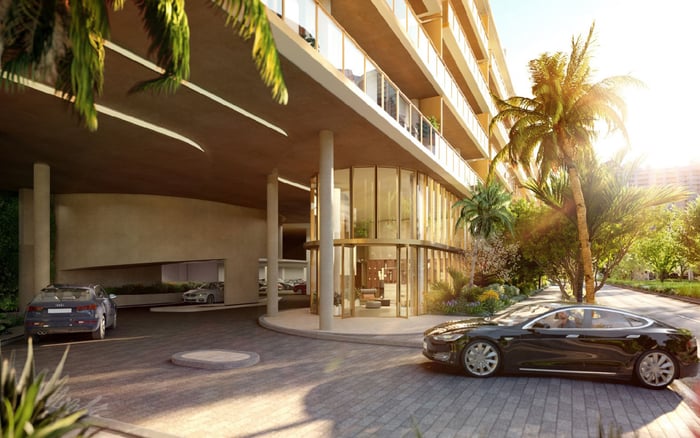
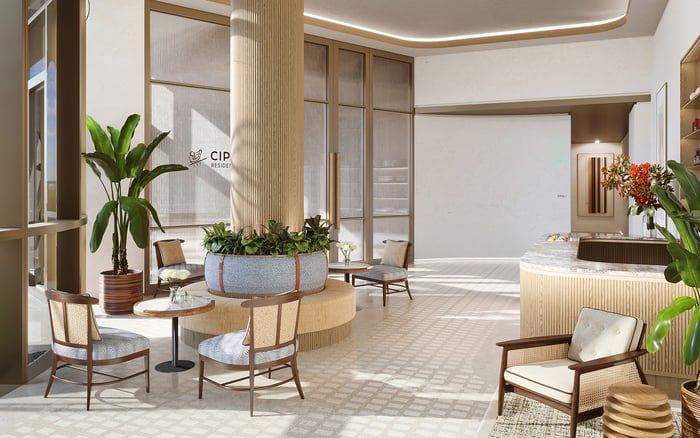
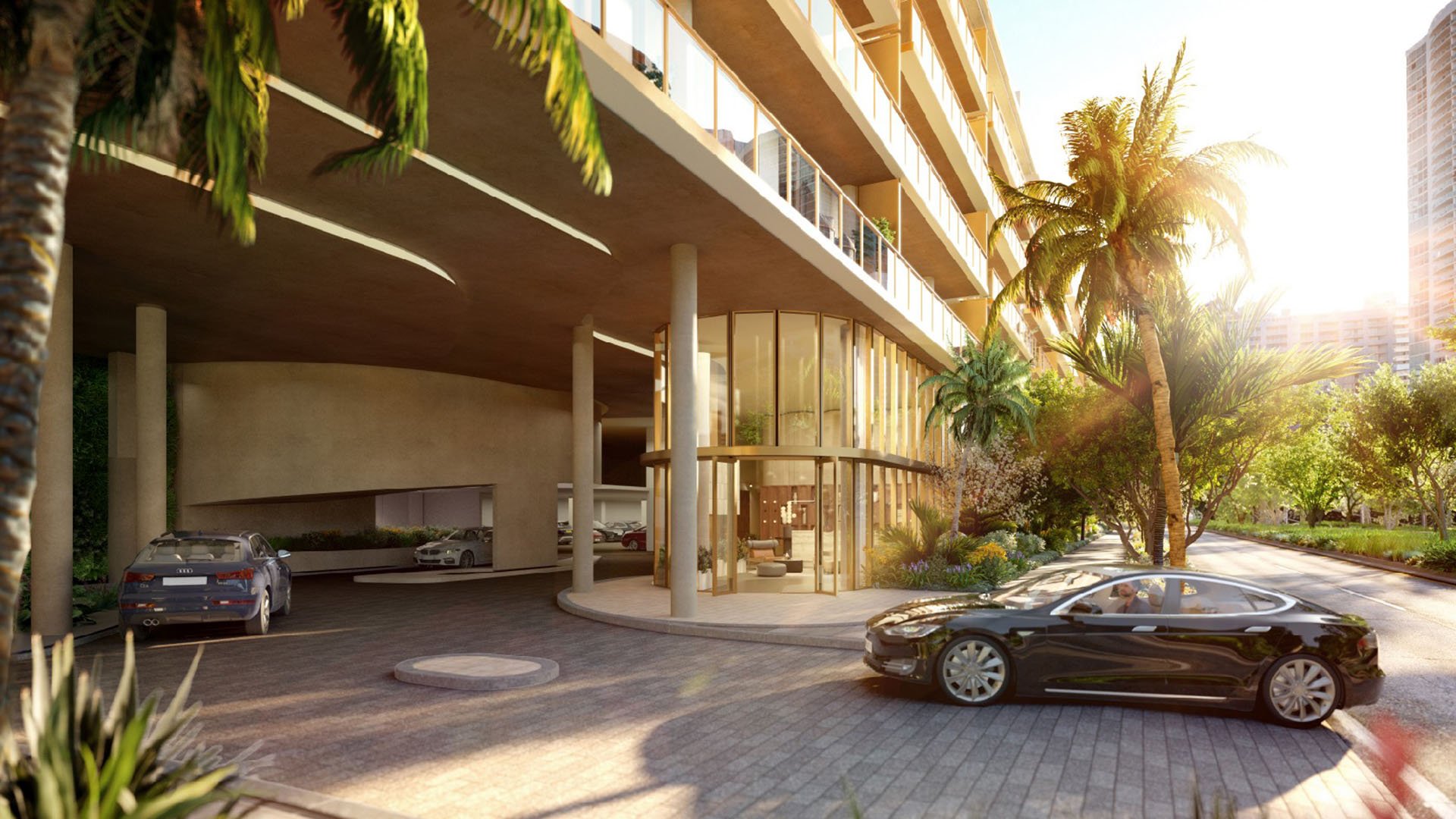
If Cipriani Residences Brickell is on the shortlist, apply the same test to the arrangements presented for that residence. Distinguish proposed procedures from confirmed operating rules. Neither a project name nor a polished arrival rendering establishes loading capacity.
Ground-floor retail can put neighborhood conveniences close at hand. It also calls for a closer look at delivery schedules, pedestrian activity, after-hours operations, and any shared service infrastructure. None of these considerations proves that a conflict exists in a particular building.
Ask management to trace a retail delivery from curb to destination. Then compare that route with the one used for a resident's furniture delivery. Where the paths overlap, establish whether separation depends on physical layout, scheduling, staff supervision, or a combination of those measures.
Ask specifically whether restaurant or shop deliveries use the residential freight elevator or dock. If they do, request an explanation of priority and scheduling. If they do not, identify the separate access points rather than accepting a general assurance that operations are independent.
The buyer's question is not whether retail belongs nearby. It is whether its service requirements are compatible with the residential experience being offered. A useful answer identifies routes, hours, and responsibility.
Public circulation deserves its own inspection. Trace the route from sidewalk to lobby, from curbside arrival to reception, and from any retail frontage toward residential elevators. Establish where visitors must stop, identify themselves, and receive authorization to continue.
Ask how couriers, ride-share arrivals, event guests, photographers, and retail or restaurant visitors are handled during crowded periods. Include third-party inquiries: who responds when someone asks whether a resident is present, and what information may be disclosed?
For buyers evaluating The Residences at 1428 Brickell, focus the comparison on documented access arrangements rather than an assumed level of discretion. Apply the same standard across the shortlist. The available facts do not support ranking individual residences by their privacy performance.
A practical walkthrough should reveal where public movement ends and controlled residential circulation begins. Where access is not yet available, request plans and an explanation of the intended procedures. Keep those intentions distinct from observed operations.
Controlled lobby entry, resident-only elevator access, camera coverage, guest verification, and vendor check-in are appropriate subjects for review. Their presence alone does not explain how the building operates. Ask who authorizes elevator access, how vendors are identified, and whether temporary credentials expire.
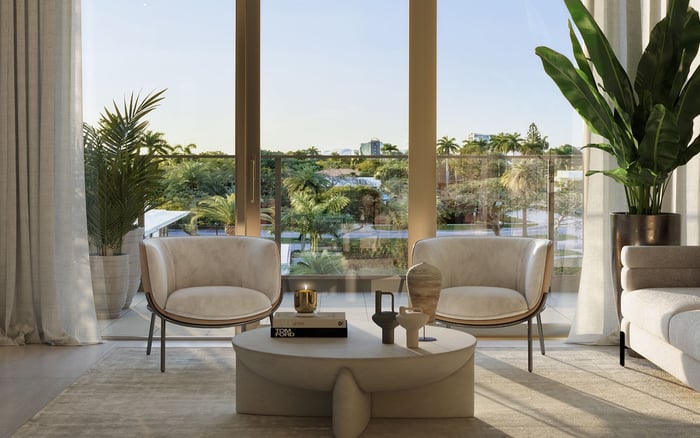
Then move from the lobby to the residence itself. Inspect sightlines from living spaces, balconies, terraces, and amenity areas toward sidewalks, retail frontages, and other public circulation routes. Privacy is a question of both access and visibility.
A buyer considering Una Residences Brickell should make this review specific to the intended residence wherever inspection is possible. Do not substitute a general impression of the building for an assessment from the actual unit. Where inspection is unavailable, record the sightline question as unresolved rather than treating an illustration as confirmation.
Before committing, assemble a concise file: current association rules, management's delivery instructions, dock and freight-elevator reservation requirements, guest and vendor access procedures, and observations from the unit inspection. Separate confirmed arrangements from questions still awaiting answers.
The most useful comparison is whether each residence can explain how convenience and discretion coexist. Clear routes, accountable decisions, and coordinated reservations deserve as much attention as the finishes encountered on arrival.
For a considered approach to your Brickell residence search, explore MILLION.
If branded residences are on your mind — as a home or as an allocation — we would be glad to share what we are seeing, privately.
Begin a quiet conversationNo. The race took place around Hard Rock Stadium in Miami Gardens, not in Brickell.
No. Notices concerning the race area do not establish continuing closures in Brickell; check current conditions for the intended delivery date.
The Brickell Avenue bridge, I-95 ramps, and US-1 corridor can become bottlenecks during weekday peaks. Check current conditions and confirm the building's service entrance before scheduling arrival.
Determine whether residential, retail, or office users share it, who controls reservations, and how competing deliveries are handled. Confirm whether the freight elevator requires a separate booking.
No. Retail warrants a review of delivery routes, schedules, pedestrian activity, and shared infrastructure, but its presence does not prove a conflict.
Buyers should ask whether movers and vendors have a separate service entrance and loading dock. The permitted route must be confirmed with the individual building.
Metromover and Metrorail at Brickell station provide alternatives for staff and guests. Furniture deliveries and moves still require building-specific access planning.
Ask about guest verification, vendor identification, elevator authorization, temporary credential expiration, and responses to third-party inquiries about residents.
Sightlines toward sidewalks, retail frontages, and public circulation routes need unit-specific assessment. Inspect living spaces, balconies, terraces, and amenity areas wherever access is available.
No. The named projects are examples for applying the checklist, not verified comparisons of loading capacity, operating policies, or privacy performance.