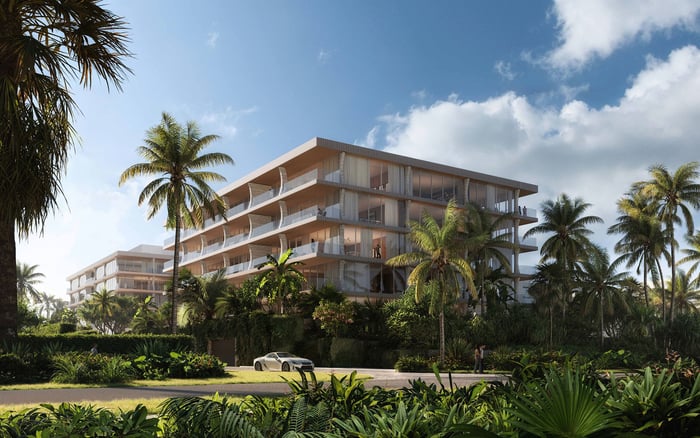
A practical 2026 framework for evaluating art storage, residential display conditions, lighting, logistics, storm readiness, and documentation in Palm Beach Gardens.

For an art collector considering a Palm Beach Gardens home, due diligence can begin with a clear inventory of priority works and their individual requirements. Record each work’s medium, dimensions, framing, mounting method, installation needs, current condition documentation, and relevant insurance records. A qualified conservator can advise on requirements for valuable, fragile, or materially complex pieces.
Use that inventory to distinguish works intended for residential display from those requiring specialist storage or rotation. This establishes a practical basis for evaluating wall space, environmental systems, lighting, movement routes, staffing protocols, and off-site support.
Do not rely on the phrase “climate-controlled” without further detail. Ask the residence, storage provider, conservator, and insurer to document the conditions relevant to the collection, including temperature, relative humidity, acceptable fluctuation, monitoring, alarms, maintenance, and outage response.
For the residence, request available mechanical information and ask how designated display areas are managed during extended vacancies or service interruptions. At The Ritz-Carlton Residences® Palm Beach Gardens, the review should focus on the specific residence, its exposure, controls, and applicable operating procedures rather than assumptions based on branding.
The written review should also identify who receives alerts, who is authorized to enter the home, and what steps may be taken if conditions move outside the collection’s specified range.
Map direct and reflected daylight at the proposed installation locations. Ask qualified advisers to review glazing, shades, films, fixture placement, beam spread, dimming, color rendering, and heat near each work.
The display plan should account for the sensitivity of individual materials rather than applying one lighting approach throughout the home. When comparing Palm Beach Residences with Forté on Flagler West Palm Beach, document each candidate residence separately, including orientation, window area, ceiling conditions, proposed hanging locations, and available controls.
Measure every stage between the delivery point and the installation location. The route review should cover loading access, corridors, door openings, elevators, turning areas, ceiling clearances, staging space, and the final approach to the wall or plinth.
Confirm delivery scheduling, contractor requirements, protective procedures, and any restrictions that could affect art handlers. If a work must remain crated during transfer, verify that the crate-not only the uncrated work-fits the full route. A physical route test may be appropriate for unusually large or difficult pieces.
At Mandarin Oriental Residences, West Palm Beach, as with any Palm Beach County project, buyers should obtain current answers for the particular residence and proposed installation from the appropriate project or building team.
Convenience storage and specialist art storage should not be treated as interchangeable without a detailed review. Request written information about environmental controls, monitoring, backup procedures, filtration, water-risk planning, pest management, security, access, viewing arrangements, private space, handling, and emergency contacts.
Compare proposals using the same inventory, service scope, access requirements, and documentation standards. Confirm which responsibilities belong to the storage provider, art handler, insurer, conservator, property manager, and owner.
A seasonal residence requires a documented chain of responsibility. Identify who monitors the home, who can respond to alerts, how authorized access is handled, and how collection-related decisions are escalated when the owner is away.
Ask the building team, storage provider, art handler, insurer, and conservator to clarify their respective procedures for severe-weather preparation and recovery. Any plan to move, crate, shelter, or leave works in place should be collection-specific and documented before it is needed.
Create a concise appendix for the property file containing the priority-work inventory, environmental requirements, display plan, lighting review, route measurements, storage plan, adviser contacts, insurance documentation, and emergency responsibilities. Retain written responses concerning building systems, access, monitoring, and operational procedures.
The final property assessment should test whether the residence, building operations, professional advisers, and off-site arrangements can support one coordinated stewardship plan.
What should a Palm Beach Gardens art collector review first? Begin with an inventory of priority works and document each piece’s dimensions, medium, installation needs, environmental requirements, and insurance records.
Is the phrase “climate-controlled” enough for due diligence? No. Request written details about operating conditions, monitoring, alarms, maintenance, and response procedures.
Who should define suitable environmental conditions for a collection? A qualified conservator can provide collection-specific guidance, which should then be coordinated with the residence, storage provider, and insurer.
How should residential lighting be assessed? Review daylight, glazing, shades, fixture placement, dimming, beam spread, color rendering, and heat in relation to each proposed installation.
Why should buyers measure the full delivery route? A work or its crate may fit the display area but encounter constraints at loading points, doors, elevators, corridors, turns, or ceiling transitions.
What should buyers ask an art-storage provider? Ask about environmental controls, monitoring, backup procedures, security, water-risk planning, access, handling, viewing arrangements, and emergency contacts.
How should a seasonal residence be prepared for an art collection? Establish remote monitoring, authorized local access, clear alert responsibilities, and documented escalation procedures for periods when the owner is away.
What belongs in a storm-readiness review? Clarify the responsibilities of the building team, storage provider, handler, insurer, conservator, property manager, and owner before severe weather occurs.
What documentation should be retained for closing? Keep the collection inventory, environmental guidance, lighting assessment, route measurements, storage plan, adviser contacts, insurance records, and written operational responses.
Should every residence use the same art plan? No. Evaluate the specific residence, exposure, systems, access route, staffing procedures, and proposed installation locations.
For a tailored shortlist and next-step guidance, connect with MILLION.
If branded residences are on your mind — as a home or as an allocation — we would be glad to share what we are seeing, privately.
Begin a quiet conversation