Wellington’s equestrian season makes arrival logistics part of residential due diligence. Buyers should examine gate visibility, confirm driver waiting arrangements, and test the route to the correct venue entrance during both daytime competition and evening events.
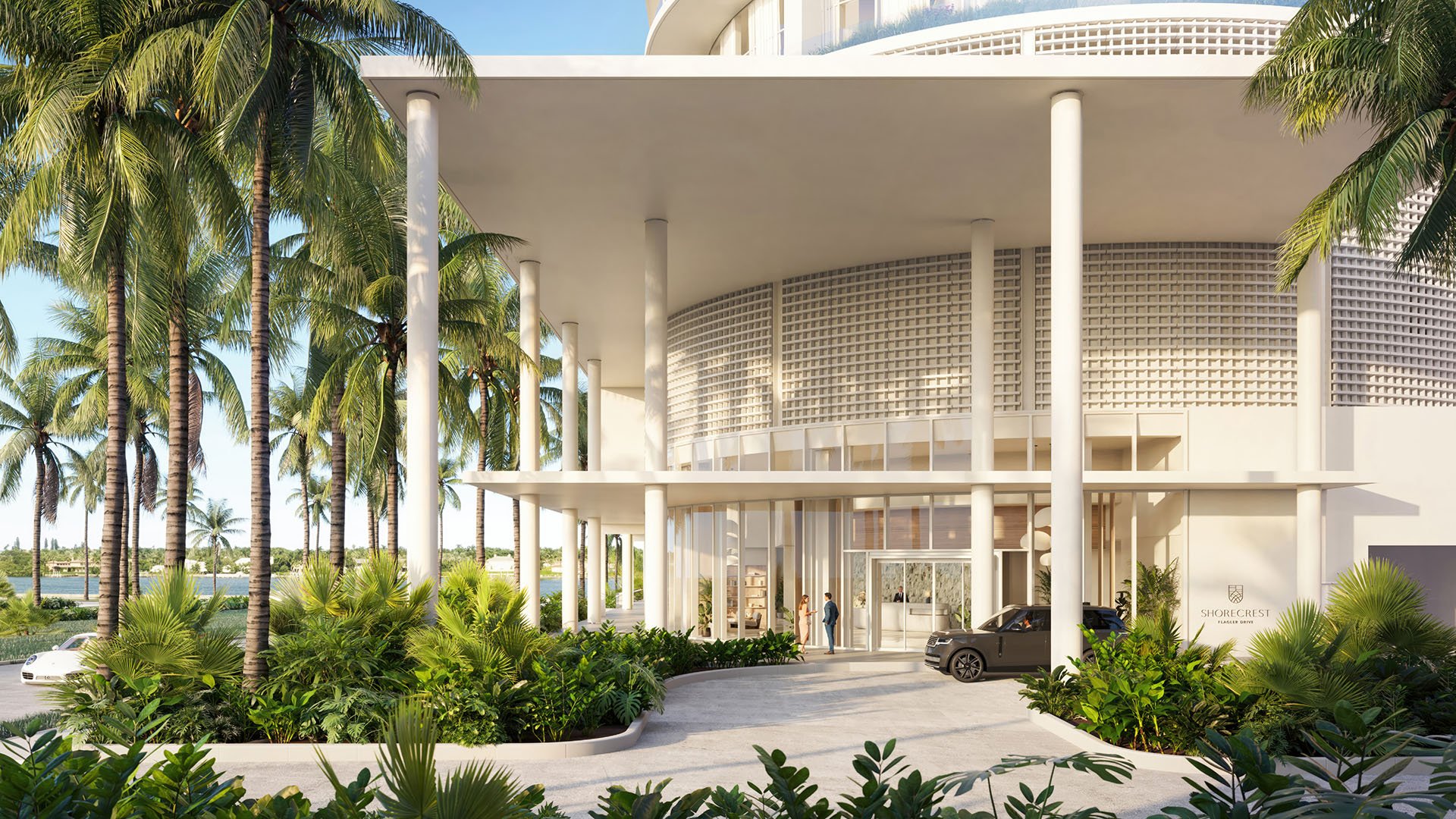
For a luxury buyer in Wellington, proximity to the showgrounds is only the beginning of the access conversation. The more revealing questions concern the final approach: whether a vehicle can clear the road before stopping at the gate, where a driver waits, and how discreetly passengers move from car to residence. Seasonal use calls for a different inspection than a quiet afternoon showing.
Arrival privacy is a sequence, not simply a gate. Road exposure, driveway depth, passenger unloading and departure movements should be assessed together. A beautiful entrance may photograph well without resolving these operational questions. Buyers should see how it functions under the conditions in which the household will actually use it.
Build that assessment around the household’s intended competition dates and visits. Confirm the relevant event calendar rather than assuming that every month of seasonal ownership will involve the same access conditions.
A property-to-venue journey is meaningful only when the destination is precise. Before evaluating a home’s convenience for Wellington International, establish whether the household will arrive as spectators, exhibitors or guests using an event-specific parking arrangement. Then confirm the applicable entrance for the intended visit. A navigation pin bearing the venue name does not settle the access question.
For a buyer also considering a West Palm Beach base, such as Alba West Palm Beach, the same discipline applies: compare the actual departure point and intended venue entrance. A regional address comparison alone cannot establish which residence best serves a particular competition routine.
At the property, begin outside the gate. Ask where the vehicle stops while access is granted, whether it remains visible from the public road, and whether a second arriving car can be accommodated without obstructing entry. Examine driveway setbacks and sightlines rather than treating landscaping as proof of privacy.
Next, walk the passenger route. Is unloading exposed to passing traffic? Can household members reach the entrance without crossing the path of service vehicles? Is there room to turn and depart without reversing toward a busy approach? These are inspection questions, not assumptions about any particular Wellington residence.
For households weighing Forté on Flagler West Palm Beach alongside an equestrian-area home, request an equally explicit explanation of vehicle arrival and collection arrangements. Compare the proposed daily routine, not presumed service levels or an unverified privacy advantage.
The distinction is between visual seclusion and operational discretion. Assess both independently before treating either as a reason to favor one property.
Parking answers where a car may be left. Staging answers where a driver may wait, how the driver is recalled, and where passengers can be collected. Neither a parking pass nor valet availability establishes permission for a chauffeur to wait at the curb.
Before relying on a parking pass, verify eligibility, permitted areas and applicable charges for the intended event. Do not assume that a pass intended for one type of attendee is available to every visitor or that nearby parking can serve as unrestricted overflow space.
A buyer relying on a driver should confirm a permitted waiting location, pickup procedure and fallback meeting point with the venue for the relevant event. Do not presume that an exhibitor entrance includes a waiting area or that access permission covers an extended stop.
Apply the same questions at home. Ask where a driver can remain between journeys without compromising the passenger entrance, service access or neighbors’ circulation. In the purchase decision, distinguish verified arrangements from those still requiring permission.
Choose a daytime route-testing window from the competition schedule relevant to the household. Confirm the day and hours before conducting the trial rather than relying on a general seasonal timetable.
For evening attendance, including a planned Saturday Night Lights visit, confirm the available parking, valet and any shuttle arrangements for that date. Assess how each available option would affect unloading, walking and passenger collection; do not treat any option as proof of a faster or more private arrival.
Event details must remain tied to their dates. Do not generalize an off-site parking or shuttle arrangement from one event to every evening visit.
Test the home-to-entrance route during a daytime competition window and again around a major evening event. Include the return journey and passenger collection. This is a due-diligence exercise, not a promise of repeatable travel times.
Evaluate the roads the household would actually use under current conditions. If proposed widening, intersection changes or other access improvements enter the purchase discussion, verify their scope and status rather than pricing in assumed relief.
Evaluate internal venue circulation separately from the drive to the venue. Before relying on golf-cart access, confirm both the permitted route and any applicable restrictions; an internal venue path does not by itself establish a residential connection.
A broader Palm Beach area search might include Mr. C Residences West Palm Beach. Evaluate any such option against the household’s own seasonal itinerary, without assuming a property-specific journey time or a universally reliable alternate route.
Before committing, assemble a practical arrival brief: the residence’s gate and unloading configuration, the correct event entrance, confirmed parking eligibility, permitted driver waiting arrangements and observations from daytime and evening route trials. Keep present conditions separate from proposed improvements.
The objective is not to eliminate every seasonal inconvenience. It is to understand which movements the household can control, which depend on event operations, and whether the residence supports the intended rhythm of ownership. In Wellington, that clarity belongs beside architecture and setting in a considered purchase decision.
For a discreet conversation about aligning a South Florida residence with your seasonal routine, connect with MILLION.
If branded residences are on your mind — as a home or as an allocation — we would be glad to share what we are seeing, privately.
Begin a quiet conversationSeasonal use makes gate visibility, driveway depth and passenger unloading important inspection points. Buyers should examine how the arrival works during their intended periods of use.
Build the assessment around the household’s intended competition dates and visits. Confirm the relevant event calendar rather than assuming uniform access conditions throughout the season.
Confirm the applicable entrance with the venue for the intended visit and attendee type. Do not rely solely on a navigation pin bearing the venue name.
Examine gate visibility, driveway setbacks, passenger unloading sightlines and turning space. Visual screening and discreet vehicle operations should be assessed separately.
No; a parking option alone does not establish permission for a driver to wait. Confirm the permitted waiting location and collection procedure for the relevant event.
Confirm eligibility, permitted parking areas and applicable charges for the intended event. Do not assume that every pass is available to all visitors.
Confirm the parking, valet and any shuttle arrangements for the intended date. Evaluate the passenger collection plan rather than assuming any option offers greater speed or privacy.
Test during a confirmed daytime competition window and around a major evening event. Include passenger collection and the return trip.
No; assess current access and verify the scope and status of any proposed improvements. Do not assume future travel-time savings.
No; an internal path alone does not establish a residential connection. Verify the intended route and applicable restrictions before relying on golf-cart access.