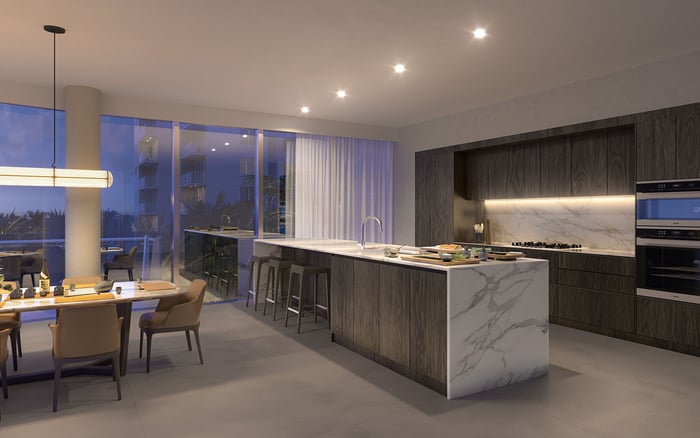
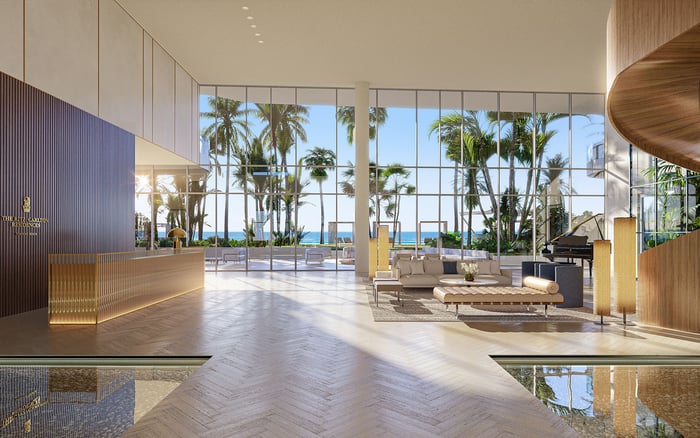
A family-focused due-diligence framework for evaluating walkability, club rights, private dining, transportation needs, and recurring obligations before choosing a Hillsboro Beach residence.
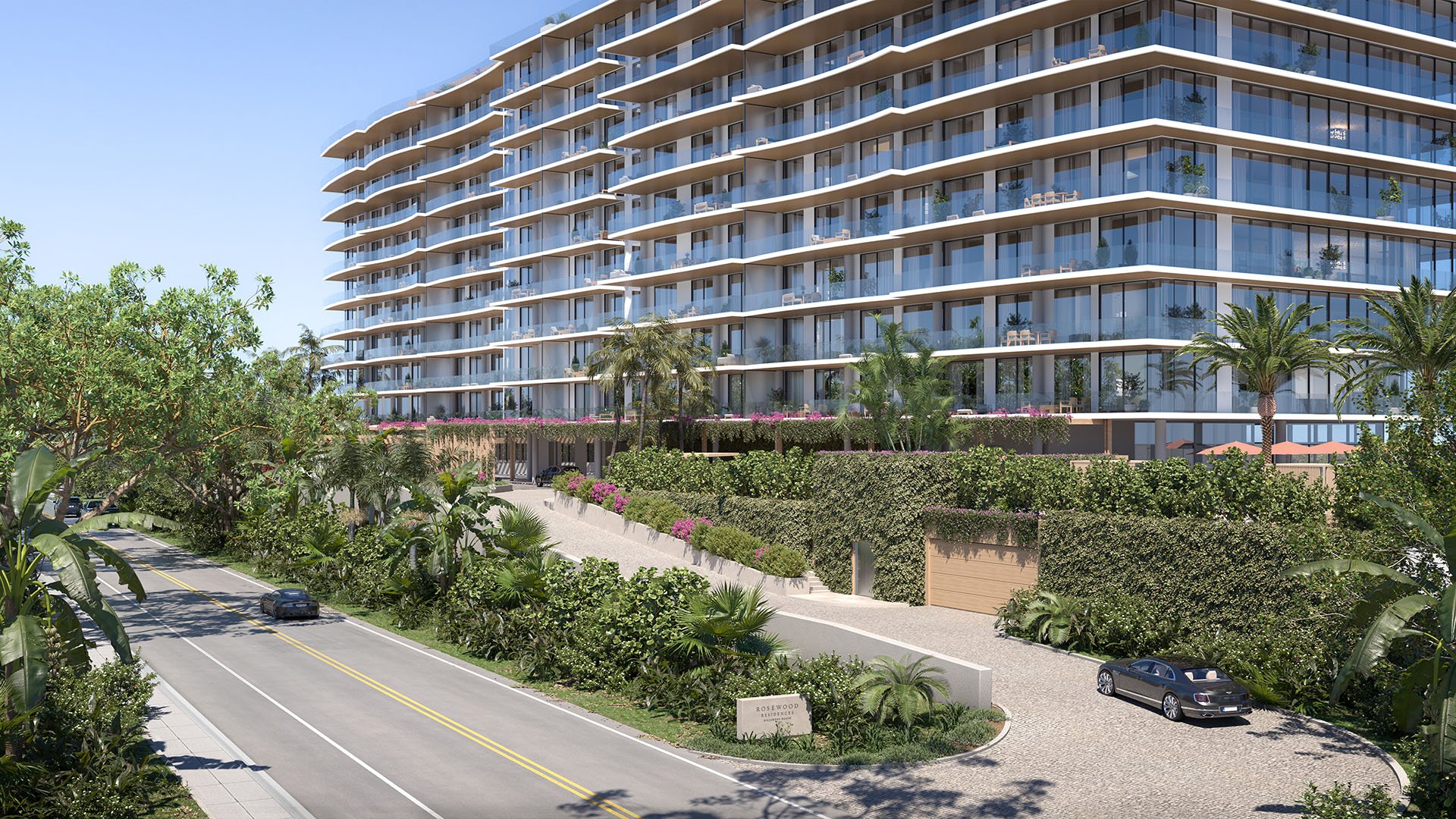
Before comparing residences, map the household’s ordinary week. Include school runs, work commutes, meals, fitness, errands, social plans, household services, and time with visiting relatives.
The central question is whether a specific Hillsboro Beach residence supports that routine with acceptable effort. Evaluate the exact address, access points, transportation pattern, and service model rather than relying on a general impression of the area.
Walkability should be evaluated door to door. Identify the destinations that matter to the family, then test each route under the conditions in which it would actually be used.
Repeat important routes during the day and after dark, as well as in heat or rain. If relevant, bring a stroller and consider how the route would feel with younger children, older relatives, or guests. Note gates, crossings, access controls, waiting time, and any point where a vehicle becomes necessary.
Include Rosewood Residences Hillsboro Beach in the comparison by assessing the residence together with its documented services and practical access pattern.
Club access should be documented rather than inferred from proximity or marketing language. Determine whether a privilege is deeded, membership-based, invitation-based, separately purchased, or subject to another arrangement.
Request written details concerning eligibility, initiation or recurring obligations, guest policies, operating rules, transfer terms, and circumstances that could affect future access. If boating or another specialized activity is important, verify the rights and limitations attached to the specific residence instead of assuming that nearby facilities are included.
For a consistent South Florida comparison, apply the same review to Armani Casa Residences Pompano Beach and The Ritz-Carlton Residences® Pompano Beach. Compare documented access, service arrangements, transportation requirements, and recurring obligations rather than brand names alone.
Private dining may influence how a family handles weekday meals, celebrations, visiting relatives, and busy periods. Its practical value depends on the written rules and on whether those rules fit the household’s schedule.
Review reservation windows, operating hours, guest limits, age-related rules, blackout dates, dress expectations, minimum spending requirements, holiday procedures, and transferability upon resale. Distinguish full dining service from limited offerings, event catering, or poolside service.
Test likely use cases before assigning value to the amenity. Consider a routine family dinner, a meal with guests, a holiday reservation, and a last-minute request. The objective is to determine whether access is dependable enough to support the family’s real habits.
Evaluate the residence and its lifestyle systems together. The household model should account for transportation, valet or driver needs, club obligations, dining requirements, household services, and any other recurring commitments disclosed for the property.
Classify each regular activity as practical on foot, vehicle-dependent, service-dependent, or subject to club rules. Repeat the exercise for an ordinary weekday, a weekend with guests, and a high-demand holiday period.
A family should choose the Hillsboro Beach residence that creates the least friction between its priorities and the way access is documented, scheduled, and delivered. Due diligence should focus on the exact property, governing documents, written amenity terms, and the household’s expected pattern of use.
How should families evaluate walkability in Hillsboro Beach? Test the routes that matter from the exact residence and note every access control, crossing, waiting point, and vehicle transfer.
Why test routes at different times? Lighting, traffic, weather, and access conditions can change how practical a route feels for children, guests, or older relatives.
What is the difference between proximity and access? Proximity only describes location, while access depends on documented rights, eligibility, rules, and availability.
What club documents should a buyer request? Request written terms covering eligibility, costs, guest policies, operating rules, transfer provisions, and potential changes to access.
Does nearby boating infrastructure guarantee boating rights? No. Buyers should verify the specific rights, limitations, and operating terms attached to the residence.
Which private-dining rules deserve close review? Focus on hours, reservation windows, guest and age rules, blackout dates, spending requirements, holiday procedures, and resale transferability.
Can limited food service replace full private dining? Not necessarily. Confirm the service format, schedule, capacity, and reservation process before treating it as dependable family infrastructure.
How should buyers compare branded residences? Apply the same address-level review to each property, emphasizing written rights, services, access conditions, and recurring obligations.
What should be included in the household access budget? Include disclosed transportation, service, club, dining, and other recurring commitments relevant to the family’s expected use.
What is the best final test before choosing a residence? Model an ordinary week, a guest weekend, and a holiday period using the property’s documented access and service rules.
For a tailored shortlist and next-step guidance, connect with MILLION.
If branded residences are on your mind — as a home or as an allocation — we would be glad to share what we are seeing, privately.
Begin a quiet conversation