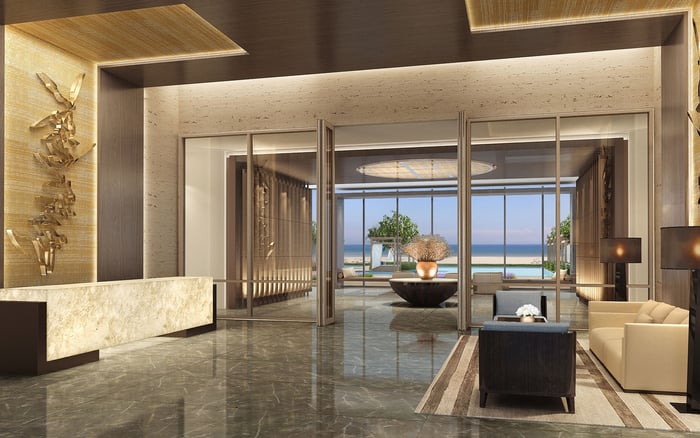
A buyer-focused guide to evaluating Surfside condominium wellness amenities, with attention to appointment capacity, outside-practitioner permissions, resident-only facilities, and written guest eligibility rules.
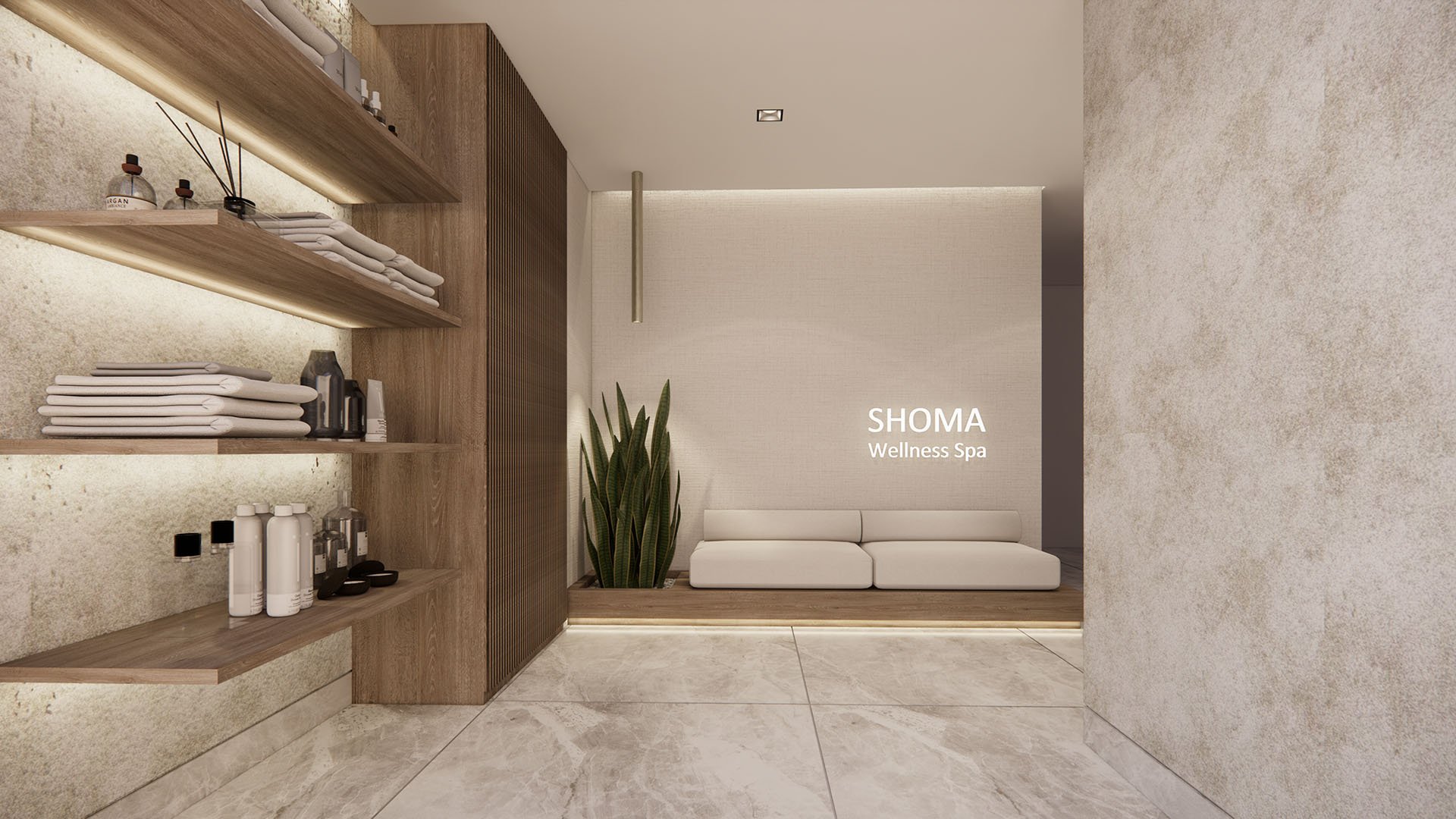
A Surfside condominium can offer an enticing wellness setting: an oceanfront spa, a private training room, or a lap pool suited to a daily ritual. Yet the ownership question is not simply what exists. It is what an owner may use, when it is available, who may accompany them, and whether a preferred practitioner can participate.
A useful ownership file separates three subjects: physical facilities, service capacity, and access rights. A beautifully appointed treatment room addresses the first. It does not establish appointment availability, permission for outside therapists, or eligibility for visiting family. For a buyer whose routine depends on these details, written confirmation matters as much as the amenity tour.
At The Surf Club Four Seasons Surfside, the wellness offering includes access to an oceanfront Four Seasons spa and an advertised option for in-residence treatments. Traditional hammam and advanced European skincare treatments are also part of the offering.
The ownership distinction is more specific for fitness and swimming. The listed facilities include two resident-only fitness centers and two swimming pools exclusively for residents. The broader amenity offering includes access to four heated pools, beach-club services, landscaped gardens, and restaurants offering in-residence dining. These distinctions should not be collapsed into an assumption that every facility operates under identical access rules.
For the ownership file, request a facility-by-facility schedule distinguishing resident-only spaces from any shared amenities. Separately confirm spa booking rights, treatment charges, and arrangements for in-residence appointments. The availability of an in-home treatment does not establish permission to admit an independent practitioner selected by the owner.
Ocean House Surfside has a stated wellness offering that includes an experiential spa with a steam room, sauna, hot tub, salon room, and massage treatment room. It also includes a fitness studio and private training rooms, while the landscaped amenity setting incorporates reflecting ponds, floating cabanas, and intimate lounges.
For an owner with an established therapist or trainer, the phrase “book or bring” custom treatments is particularly relevant. It signals a concept worth investigating, not a complete access policy. The language does not specify practitioner credentialing, insurance, registration, or management-approval requirements.
Ask management whether the arrangement applies to treatments inside a residence, within the spa, or both. Confirm who reserves the space, whether an outside practitioner may use equipment, and whether the owner must remain present. The mention of a massage treatment room does not establish total treatment-room capacity or support a reliable size comparison with another property's spa.
At Arte Surfside, the listed wellness facilities include a high-tech fitness center, yoga studio, 75-foot indoor heated lap pool, wellness spa, sauna, steam rooms, and dual locker rooms. Direct beach access with dedicated chairs, an oceanfront swimming pool, pool and beach services, and a rooftop tennis court broaden the recreational offering.
A lifestyle concierge and an on-site general manager are also among the listed resident services. Buyers can use those roles as points of inquiry when testing a proposed weekly routine. Request current operating hours, reservation procedures, and any restrictions relevant to training or treatments.
The stated wellness offering does not establish independent-practitioner access or detailed eligibility rules for owners' guests. Neither the presence of a concierge nor the range of facilities resolves those questions. They belong in the written access review, alongside confirmation of current operations and service availability.
A meaningful capacity assessment begins with the owner's schedule. Someone seeking a regular morning treatment has a different requirement from someone who books occasionally. Ask whether the property can accommodate your preferred appointment pattern, especially during the periods when you expect to occupy the residence.
The stated amenity offerings do not establish treatment-room totals, practitioner staffing, daily appointment capacity, or peak-season reservation limits across these properties. Do not treat the number of named amenities as a proxy for dependable service access.
Request the number of rooms available for the relevant treatment, staffing arrangements, appointment durations, booking windows, cancellation terms, and any resident-priority provisions. Ask how maintenance closures or practitioner absences affect reservations. These are questions to resolve, not operating features to assume.
Apply the same discipline to fitness and swimming. Confirm whether private training requires a reserved room and whether lap swimming has scheduled restrictions. The goal is not a promise of unlimited availability, but a clear understanding of the rules governing ordinary use.
Outside-practitioner access deserves its own written record. Distinguish permission to enter the building from permission to deliver a service in the residence, and distinguish both from permission to work in a shared amenity. Approval for one setting should not be treated as approval for all three.
Ask what credentials, insurance, advance registration, or management consent may be required. Confirm arrival procedures, permitted hours, equipment handling, and any fees. If a recurring relationship matters to the purchase, have management address that specific arrangement rather than relying on a general assurance that services can be coordinated.
Keep this review separate from the property's own treatment menu. An advertised service establishes neither outside-provider access nor inclusion of treatment charges in condominium ownership costs.
Oceanfront living may invite visiting family and friends, but access to a residence is not the same as access to its wellness facilities. Request separate rules for escorted day guests, overnight visitors, children, and renters. Confirm whether the owner must accompany a guest, whether reservations are required, and whether limits or charges apply.
Surfside's municipal parks-and-recreation policy allows up to five guests per household per day at $5 per person. That municipal provision does not establish any private condominium's policy and should never become a building-specific assumption.
Before committing, obtain the declaration, rules and regulations, amenity handbook, and any applicable spa or hotel-residence access agreements. Ask management to confirm current operations and identify where each material access condition is documented. Review unresolved points with your advisers rather than treating an amenity description as an enforceable entitlement.
The strongest comparison is not a ranking of spa interiors. It is a clear account of which residence supports your preferred appointments, practitioners, and guests under terms you understand. Wellness becomes an ownership advantage when both the setting and the access arrangements fit the way you intend to live.
For a discreet perspective on your next Surfside residence, explore MILLION.
If branded residences are on your mind — as a home or as an allocation — we would be glad to share what we are seeing, privately.
Begin a quiet conversationInclude the declaration, rules and regulations, amenity handbook, and any applicable spa or hotel-residence access agreements. Obtain written clarification of capacity, practitioner permissions, fees, and guest eligibility.
Property descriptions identify two resident-only fitness centers and two swimming pools exclusively for residents. Confirm the current access arrangements for each facility separately.
Not by itself. The Surf Club's advertised in-residence treatments do not establish permission to bring an independent practitioner.
It describes an option relevant to custom treatments, but does not specify credentialing, insurance, registration, or management-approval requirements. Ask for the applicable written policy.
No. A reference to a massage treatment room does not establish total treatment capacity or support a reliable comparison with another property's spa.
They include a fitness center, yoga studio, 75-foot indoor heated lap pool, wellness spa, sauna, steam rooms, and dual locker rooms.
Request treatment-room availability, staffing arrangements, booking windows, and reservation restrictions. Test those details against the schedule you expect to maintain.
No. An advertised spa or treatment service does not establish that treatment charges are included in condominium ownership costs.
The municipal allowance of up to five guests per household per day at $5 per person does not establish any private condominium's guest policy.
Confirm rules for escorted day guests, overnight visitors, children, and renters. Ask about accompaniment, booking requirements, limits, and charges.