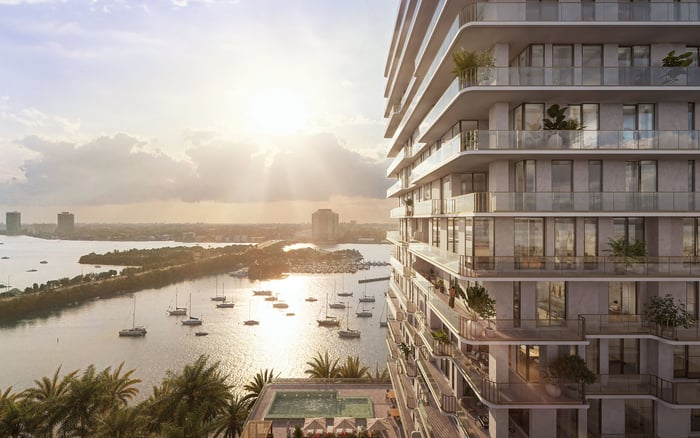
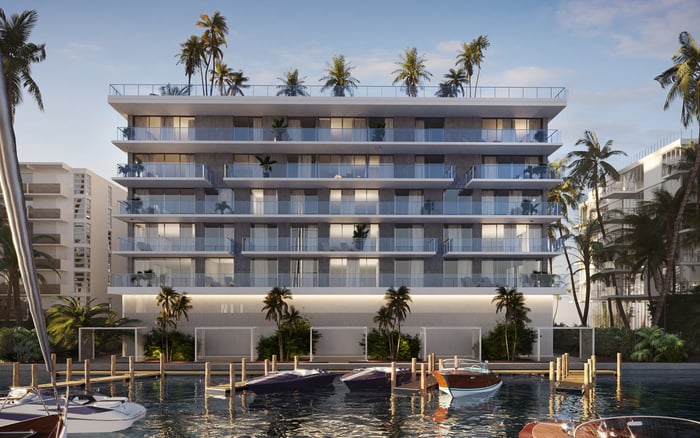
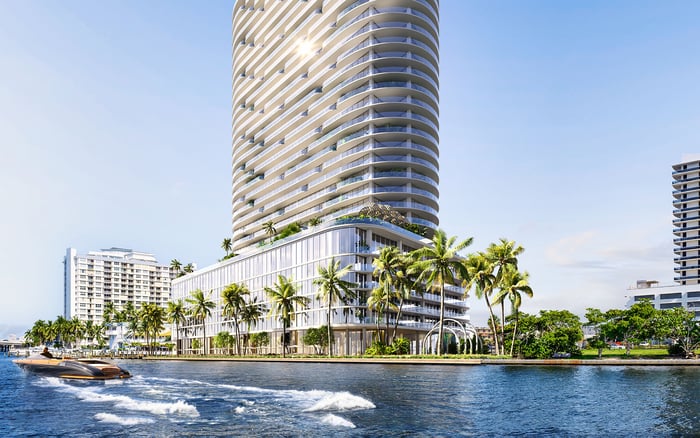
A disciplined 2026 framework for evaluating waterfront residences, building readiness, insurance, storm planning, contracts, and long-term ownership in North Bay Village.

Waterfront ownership rewards buyers who look beyond the view. In North Bay Village, a disciplined 2026 strategy divides due diligence into four layers: the residence, the building, the ownership documents, and the buyer’s personal storm plan. Review each layer independently, then assess them together as a single operating picture.
That distinction matters whether the purchase is a primary home, a second home, or an investment. A resale may provide an observable operating history, while new construction may demand closer scrutiny of proposed budgets, delivery terms, warranties, and the distinction between renderings and contractual commitments. Neither category eliminates the need for independent professional review.
Ask counsel to identify precisely what transfers at closing. The review should encompass the residence, assigned or licensed parking, storage, terraces, marina rights, and any other limited-use areas. If boating access influences the purchase, determine whether a boat slip is included, acquired separately, leased, transferable, or governed by another agreement.
Read the declaration, bylaws, rules, amendments, budget, insurance materials, and available meeting records as a connected set. The objective is not merely to collect documents, but to understand who maintains each component, who pays when work is required, and which decisions remain within the association’s discretion.
A refined lobby is no substitute for operational clarity. Request available information on maintenance planning, reserve funding, current projects, anticipated work, vendor responsibilities, emergency procedures, and unresolved claims or disputes. Legal, financial, engineering, and insurance professionals should interpret the materials within their respective disciplines.
Buyers comparing Continuum Club & Residences North Bay Village and Shoma Bay North Bay Village can use project presentations to establish questions, then confirm every material point through governing and transaction documents. Amenities, completion language, marina arrangements, and operating assumptions each warrant separate verification.
A conventional inspection is only the beginning. Ask the inspector to examine accessible glazing, doors, seals, balcony drainage, visible moisture conditions, mechanical systems, electrical components, and any owner-installed alterations. Confirm which elements are the owner’s responsibility and which fall to the association.
The balcony deserves particular attention: exposure, drainage, finishes, doors, and stored furnishings can all affect storm preparation. Buyers should also test the practical sequence-how exterior items are secured, where they can be stored, whether parking remains accessible, and what must be handled before departure.
When reviewing Tula Residences North Bay Village or widening the comparison to Onda Bay Harbor, treat design materials as a prompt for diligence. Request the documents that control specifications, purchaser obligations, use restrictions, and any water-related rights.
Evaluate insurance early rather than treating it as a closing formality. Provide an insurance adviser with the residence details and available association coverage materials. Ask what the building policy addresses, what an owner’s policy may need to cover, how deductibles could affect owners, and which exclusions or sublimits require attention.
The analysis should connect insurance with liquidity. Consider the buyer’s capacity to absorb deductibles, temporary relocation, uncovered personal-property losses, or association charges without disrupting the broader ownership plan. Premium alone is not an adequate measure of risk.
A building plan and an owner plan serve different purposes. Create a written checklist covering contact information, document storage, medications, pets, vehicles, exterior furnishings, refrigeration, electronics, and post-event access. If the owner will be away, assign responsibilities in advance.
For a waterfront residence, the checklist should also address any vessel, tender, equipment, or dock-related obligation tied to the owner. Confirm responsibilities in writing rather than assuming building staff, a marina operator, or a captain will manage them.
Keep digital copies of policies, identification, inventories, closing documents, and key contacts in a secure location accessible away from the property. Periodically photograph significant interiors and possessions, and ask an insurance professional which records would be useful if a claim arises.
Before contractual deadlines, organize open items by consequence. A missing amenity detail is not equivalent to uncertainty over insurance, ownership rights, pending work, or the ability to finance and close. Assign every material question to the professional best qualified to answer it.
The final decision should account for the purchase price, expected carrying costs, possible near-term expenditures, operational restrictions, and storm logistics. A disciplined buyer does not seek a property without exposure. The objective is an exposure profile that is understood, documented, insurable on acceptable terms, and compatible with the intended use.
What should a waterfront buyer review first? Begin with the contract timeline, ownership documents, insurance materials, inspection scope, and any rights attached to parking, storage, or water access.
Is an owner’s inspection enough for a condominium purchase? No. The residence inspection should be paired with qualified review of the building, financial, legal, and insurance materials.
How should buyers assess storm preparation? Compare the building’s procedures with a separate personal plan covering the residence, vehicles, belongings, pets, communications, and access.
Why review association insurance before closing? It helps an adviser identify potential owner coverage needs, deductibles, exclusions, and areas requiring clarification before commitments become inflexible.
What should buyers confirm about a marina? Confirm the legal nature, cost, transferability, use rules, maintenance responsibility, and storm obligations associated with any claimed right.
How should a buyer treat amenity descriptions? Use them to frame questions, then verify material details in the documents governing the purchase and ownership relationship.
What deserves attention inside the residence? Accessible windows, doors, seals, drainage, moisture indicators, mechanical systems, electrical components, finishes, and owner alterations all warrant review.
Should carrying-cost estimates include contingencies? Yes. With professional guidance, buyers can model routine costs alongside potential deductibles, temporary relocation, repairs, and association charges.
What changes for an absentee owner? The plan should designate a local contact, define authority, arrange inspections, secure exterior items, and preserve remote access to records.
When is due diligence complete? It is complete when material questions are resolved, accepted as defined risks, or addressed contractually before the applicable deadlines.
For a discreet conversation and a curated building-by-building shortlist, connect with MILLION.
If branded residences are on your mind — as a home or as an allocation — we would be glad to share what we are seeing, privately.
Begin a quiet conversation