A practical 2026 framework for evaluating private-school logistics, commute patterns, building security, and the daily realities behind a North Bay Village residential purchase.

For households balancing private education, work, and residential security, a North Bay Village purchase should be evaluated as more than a unit-selection exercise. The residence, school plan, travel routine, parking experience, visitor process, and building procedures all affect daily life.
Begin with the household’s operating requirements rather than a preferred floor plan. Define school priorities, recurring travel windows, caregiver or driver access, delivery needs, parking expectations, and security questions before comparing properties.
Private-school due diligence should start directly with each institution under consideration. Confirm grade coverage, admissions requirements, enrollment timing, calendars, transportation options, and any household-specific eligibility questions. Do not assume that current availability or procedures will remain unchanged through a real-estate transaction.
Create a primary school plan and at least one alternative. Then map every recurring trip connected to the school day, including drop-off, pickup, extracurricular activities, appointments, and any handoff involving caregivers or drivers. This provides a more realistic picture than considering a single morning route.
School timing and property timing should also be managed separately. A preferred residence does not resolve admissions uncertainty, and a preferred school does not guarantee that a particular building will support the household’s routine.
Map estimates are only a starting point. Buyers should test likely routes on ordinary weekdays at the times they expect to travel, then repeat the exercise for the return journey. Include the time required to leave the residence, reach the vehicle, exit the property, complete the drive, manage school arrival, and return.
Record the range of observed travel times rather than relying on one favorable result. Repeat the test when practical and consider how multiple household schedules interact. A route that appears manageable in isolation may feel different when combined with work travel, appointments, activities, and guest access.
The goal is not to predict every future delay. It is to determine whether the household has enough flexibility when routine conditions vary.
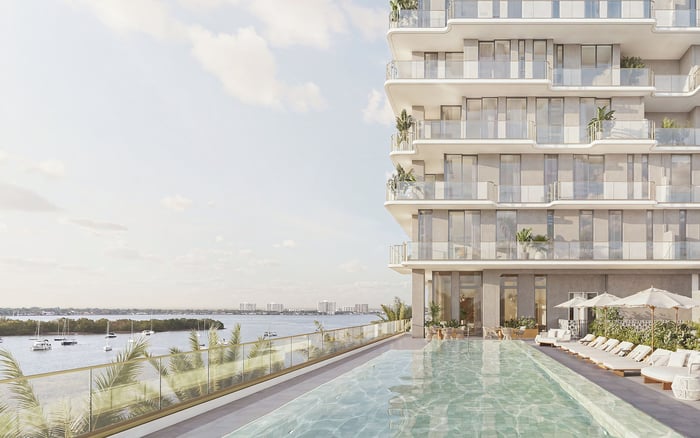
A polished presentation should be followed by an operational review. Buyers comparing Continuum Club & Residences North Bay Village, Shoma Bay North Bay Village, and Tula Residences North Bay Village should assess how each option fits their own schedule and access requirements.
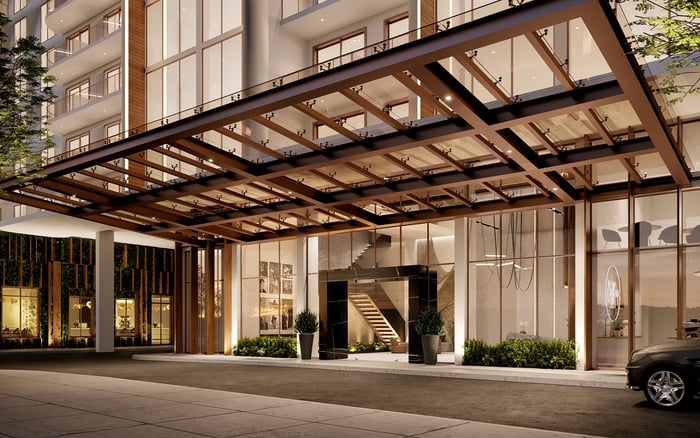
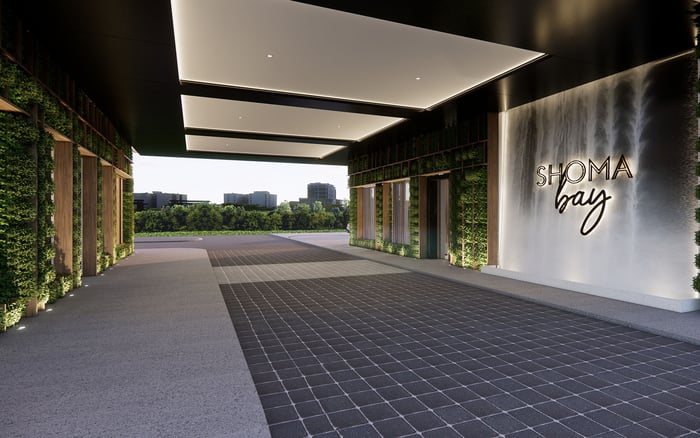
Observe arrival and departure procedures when possible. Ask about resident and guest entry, parking administration, loading, package handling, elevator access, household staff, recurring visitors, and emergency protocols. Confirm important answers through the appropriate project or building representatives before relying on them.
For a nearby comparison, Bay Harbor Towers can be reviewed using the same checklist. The purpose is not to treat different locations or properties as interchangeable, but to apply a consistent decision framework.
Broad impressions about an area cannot replace a building-specific review. Examine how the property handles residents, guests, vendors, deliveries, vehicles, common areas, and any waterfront access. Ask who administers credentials, how recurring access is approved, and what procedures apply outside normal operating hours.
Buyers should also clarify camera coverage, garage controls, package storage, elevator permissions, staffing practices, incident reporting, and emergency communication. Where relevant, ask how amenity or waterfront circulation is separated from residential access.
Policies and operating conditions can change. Material security questions should therefore be confirmed directly with authorized representatives and, when appropriate, reviewed in available property documentation.
First, define the household’s school and transportation requirements. Second, identify a primary plan and a workable alternative. Third, test complete weekday travel cycles. Fourth, revisit each property with attention to parking, access, elevators, deliveries, staffing, and security procedures. Finally, compare the results against the household’s actual tolerance for time variation and operational friction.
This process keeps the decision focused on lived experience. The strongest choice is the residence whose practical systems support the household’s priorities as convincingly as its design and setting.
What should buyers verify with a private school? Confirm grade coverage, admissions requirements, enrollment timing, calendars, transportation options, and household-specific eligibility directly with the institution.
Should school admissions and the property purchase be treated as one timeline? No. Track them separately so that uncertainty in one process does not create an unsupported assumption in the other.
How should buyers test a school commute? Travel the likely route on ordinary weekdays at realistic departure and return times, including the full sequence from residence to school arrival.
Is one successful route test sufficient? A repeated test is more useful because it helps reveal variation and shows whether the schedule has adequate flexibility.
What building operations matter during a weekday routine? Review parking, garage access, elevators, visitor entry, loading, package handling, and recurring access for caregivers or drivers.
How should buyers compare different residential projects? Apply the same checklist to each property and evaluate the results against the household’s actual school, work, and access needs.
What should a building-security review cover? Examine credential controls, guest and vendor procedures, garage entry, package storage, common-area access, staffing, and emergency communication.
What should waterfront buyers add to the security checklist? Ask how any waterfront access is controlled and how that circulation relates to private residential areas.
When should important building procedures be confirmed? Confirm material details before applicable contract deadlines through authorized representatives and available property documentation.
What is the best way to shortlist comparable options for touring? Start with location fit, delivery status, and daily lifestyle priorities, then compare stacks and elevations to validate views and privacy.
When you're ready to tour or underwrite the options, connect with MILLION.
If branded residences are on your mind — as a home or as an allocation — we would be glad to share what we are seeing, privately.
Begin a quiet conversation