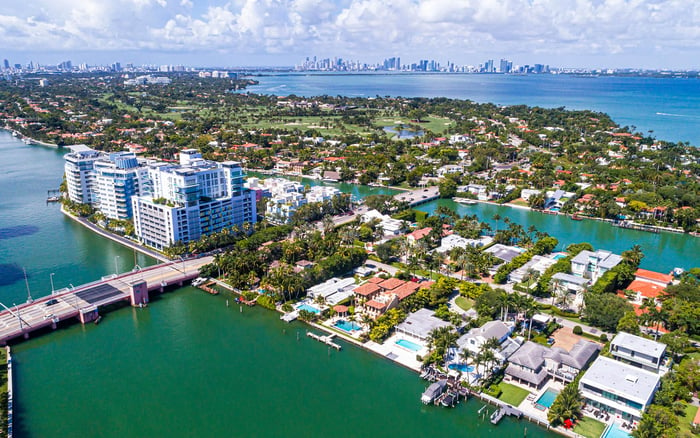
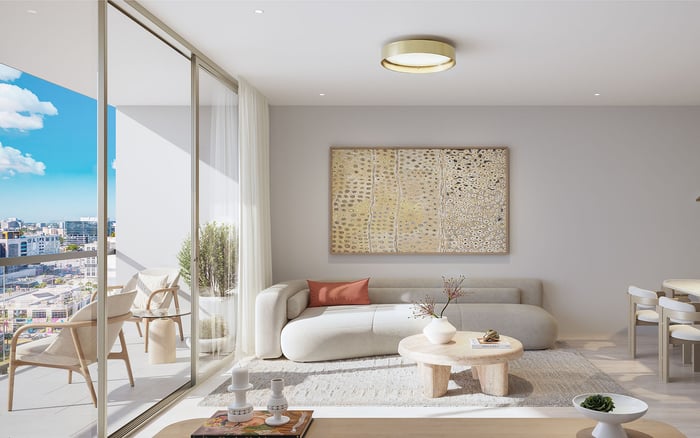
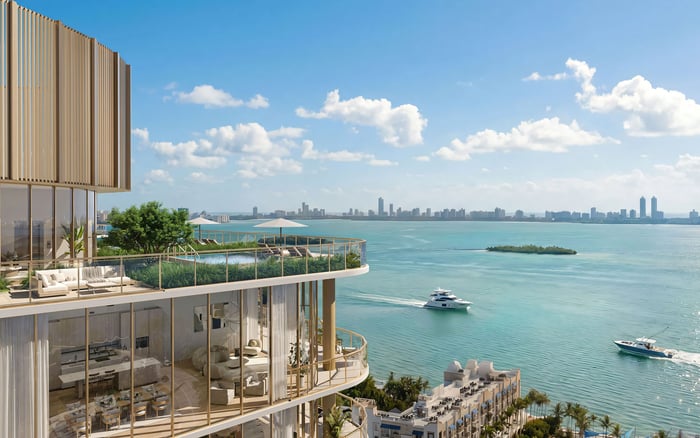
A discreet, practical guide to evaluating the Miami Design District as a long-term primary residence, with emphasis on daily rhythm, privacy, layout discipline, building character, and lifestyle fit.
Buying in the Miami Design District as a long-term primary residence is a different exercise from buying a pied-à-terre, investment condominium, or seasonal showpiece. The question is not simply whether the neighborhood feels stylish on a Friday evening. It is whether the home performs calmly on a Monday morning, through a quiet Sunday, and across the ordinary routines that define permanence.
The Design District is best approached as a daily-life decision. Its appeal is not purely aesthetic. It is the possibility of living close to culture, restaurants, retail, design, and the creative energy that surrounds the area while still insisting on privacy, comfort, and residential dignity. A buyer who plans to live here full time should evaluate the neighborhood with the same seriousness one would bring to a house in a legacy enclave: light, arrival, sound, storage, services, outdoor access, and the way the building behaves when the spectacle fades.
A residence such as Kempinski Residences Miami Design District naturally enters the conversation because it speaks directly to the neighborhood’s residential evolution. Still, the name on the building is only the beginning. The more important work is understanding whether its scale, programming, floor plans, and ownership culture align with the way you actually intend to live.
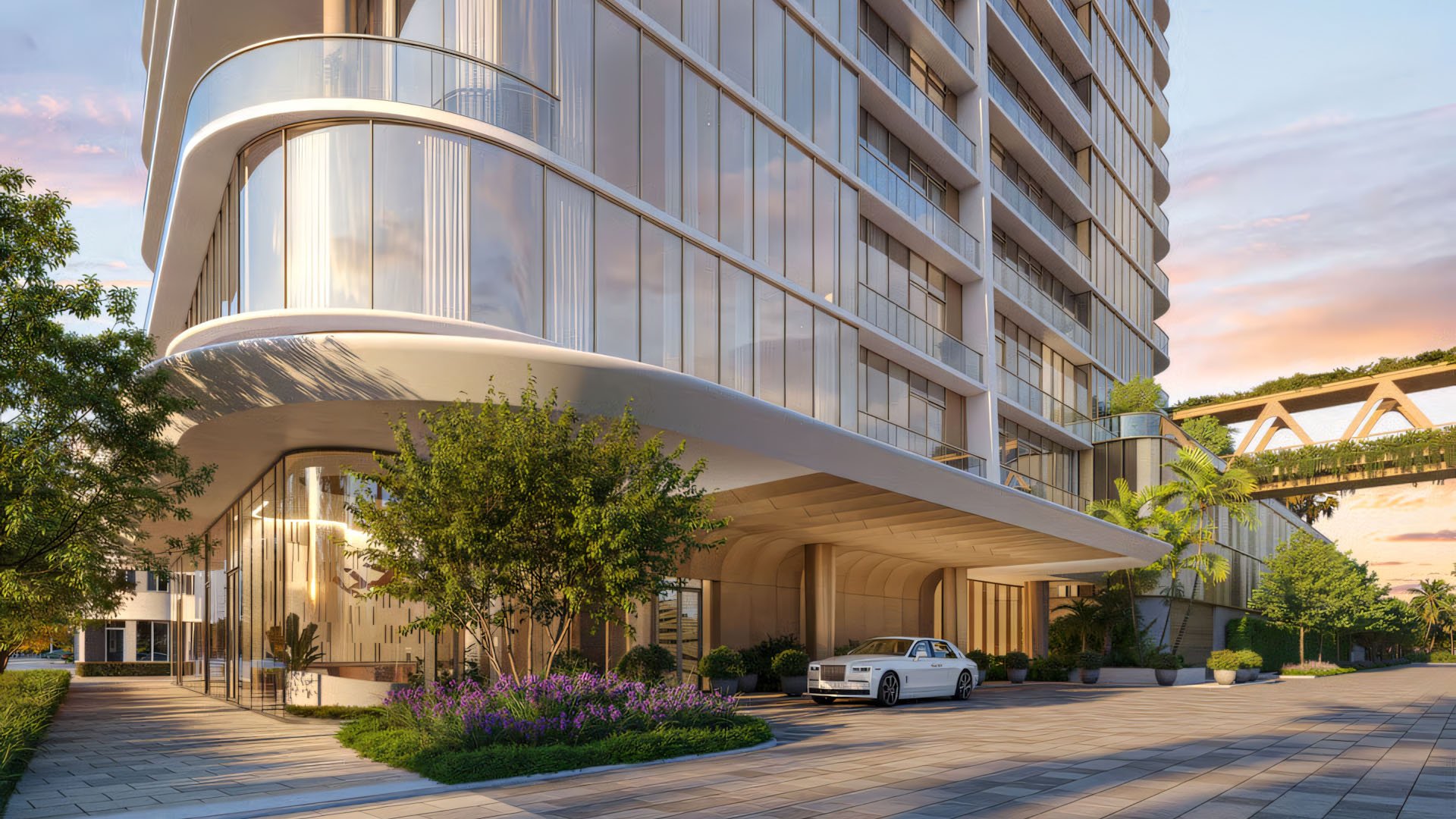
Begin with arrival. Primary residences are judged by repeated use, and the entry sequence matters more over time than it may during a single showing. Consider how a car approaches, how guests are received, how deliveries are handled, how private the lobby feels, and whether the path from street to residence feels composed rather than theatrical.
Then examine floor plan integrity. A long-term home should not depend on staging tricks. Look for bedrooms that can evolve, a kitchen that works for both entertaining and ordinary meals, and living areas that allow furniture to breathe. Many buyers focus first on finishes, but the deeper luxury is proportion. A beautiful surface cannot correct a compromised plan.
Quiet is equally central. In a design-driven district, energy is part of the appeal, yet a primary residence should still provide retreat. Buyers should study window systems, orientation, elevator placement, amenity locations, and the relationship between the residence and active street life. A home can be in the center of things without making the owner feel exposed to everything.
The strongest lifestyle outcome in the Design District is ease without overexposure. For some buyers, that means walking to dinner and returning to a discreet building with hotel-level polish. For others, it means having cultural and culinary options nearby while maintaining a home that feels deeply private. The right answer is personal, but the test is consistent: does the neighborhood make daily life simpler, richer, and more pleasurable?
This is where the buyer should separate fantasy from habit. If you entertain often, study guest flow, valet operations, powder rooms, and the relationship between interior and terrace. If you work from home, test the home office possibilities with seriousness. If you travel frequently, building management, security, and lock-and-leave confidence become central. If you have pets, staff, visiting family, or art collections, the decision becomes more layered.
Boutique buildings may appeal to buyers who prefer intimacy, fewer neighbors, and a more residential atmosphere. Larger buildings may offer broader services, more amenities, and a stronger sense of infrastructure. Neither is inherently superior. The right choice is the one whose daily operating style matches the owner’s temperament.
A long-term primary residence should feel generous even when it is not being shown. Storage should be meaningful, laundry should be convenient, bathrooms should function in real life, and bedrooms should provide separation when needed. The most sophisticated buyers are often the least distracted by drama. They ask where coats go, where luggage is stored, where art can be installed, and whether morning light supports their routine.
Terraces deserve careful scrutiny. In South Florida, outdoor space can be one of the defining luxuries of ownership, but not all terraces live equally well. Depth, privacy, wind exposure, noise, and furniture placement matter. A terrace that looks impressive in photography may be less useful than a quieter outdoor room with better proportions.
New-construction can be seductive because it suggests modern systems, contemporary amenities, and fresh design language. Yet the primary-residence buyer should still ask practical questions about completion expectations, association structure, future maintenance, service standards, and how the building will mature. The most elegant ownership experience is one that remains elegant after the sales gallery closes.
The Design District buyer often considers other Miami addresses before deciding where daily life should be anchored. That comparison is useful, not because one neighborhood wins universally, but because each setting clarifies a different version of luxury.
A buyer considering urban waterfront energy may look at The Cove Residences Edgewater as a counterpoint, especially if water views and a broader skyline context are part of the dream. Another buyer may compare the Design District’s creative rhythm with the hospitality-oriented atmosphere of The Residences at Mandarin Oriental, Miami, where the appeal is shaped by a different relationship to service, privacy, and destination living.
Miami Beach enters the decision for buyers who want a stronger coastal identity. A residence such as The Ritz-Carlton Residences® Miami Beach offers another lens: quieter waterfront living, resort-style polish, and a different daily relationship with the city. For buyers drawn to greenery and a more village-like cadence, Arbor Coconut Grove may help calibrate whether the Design District’s design intensity is truly the right long-term fit.
These comparisons are not distractions. They are how disciplined buyers learn what they value most. If, after seeing alternatives, the Design District still feels like the place where daily life becomes more natural, the conviction is stronger.
Long-term buyers should think beyond first impressions and ask how the asset will age. Is the design timeless enough to remain desirable? Is the building likely to attract owners who care about maintenance and decorum? Does the residence have enough flexibility for life changes? Can the plan accommodate aging parents, adult children, extended stays, remote work, or a shift in entertaining style?
The strongest Design District purchase is rarely the most flamboyant one. It is the home that balances beauty with utility, visibility with privacy, and neighborhood energy with domestic calm. In an area associated with taste, the ultimate luxury is restraint: buying the residence that still feels right when the novelty is gone.
For the serious primary-residence buyer, the Design District should be measured not by how it performs for guests, but by how it supports the owner. A great home in this neighborhood should make culture feel close, errands feel manageable, entertaining feel effortless, and retreat feel protected. That is the standard.
Is the Miami Design District better for full-time living or occasional use? It can suit either, but full-time buyers should focus on privacy, quiet, storage, parking, and daily convenience rather than visual impact alone.
What should I evaluate first in a Design District residence? Start with arrival, floor plan, sound control, building services, and the way the residence supports ordinary routines.
Are Boutique buildings better for primary residents? Boutique buildings can offer intimacy and discretion, but the right choice depends on management quality, service expectations, and owner preference.
Does New-construction automatically make more sense? New-construction may offer contemporary design and systems, but buyers should still examine layout, association structure, service model, and long-term maintenance.
How important is outdoor space? Outdoor space is important when it is usable, private, and well proportioned. Depth and exposure matter as much as size.
Should I compare the Design District with Miami Beach? Yes. Miami Beach helps clarify whether you prefer a coastal residential mood or the Design District’s more design-focused urban rhythm.
What makes a floor plan suitable for long-term ownership? Flexibility, storage, bedroom separation, functional kitchens, and adaptable rooms matter more than decorative finishes.
Is the Design District appropriate for buyers who entertain? It can be, provided the residence has graceful guest flow, adequate parking or valet support, and enough separation between public and private spaces.
What is the biggest mistake buyers make? The common mistake is buying for image rather than daily life. A primary residence must perform when no one is visiting.
How should I begin a serious search? Define your daily routine first, then compare buildings by privacy, service, layout, and long-term comfort rather than by name alone.
When you're ready to tour or underwrite the options, connect with MILLION.
If branded residences are on your mind — as a home or as an allocation — we would be glad to share what we are seeing, privately.
Begin a quiet conversation