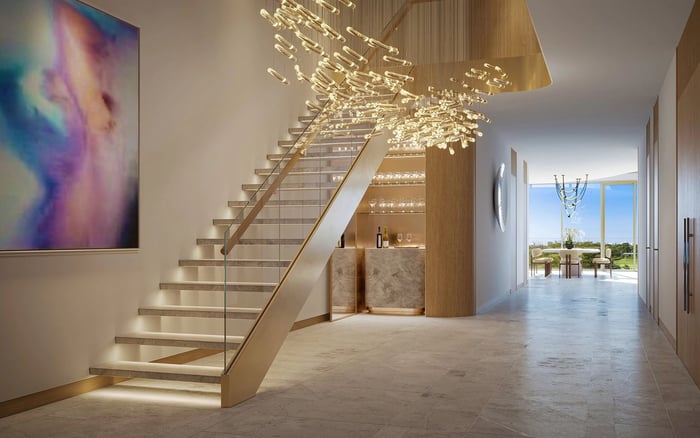
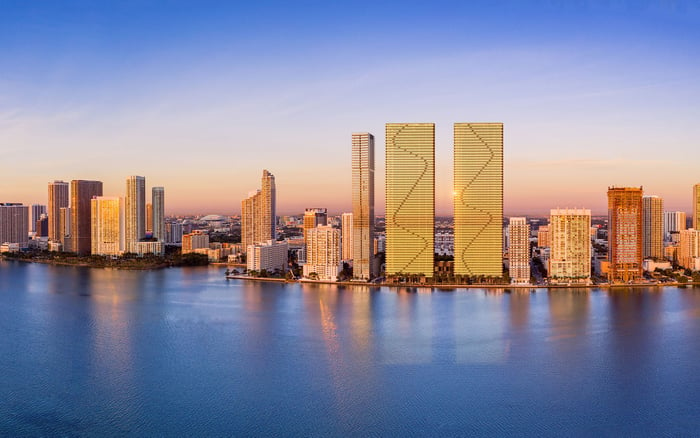
A discreet buyer’s guide to choosing a Miami Design District pied-à-terre instead of a single-family home, with practical notes on lifestyle fit, building selection, lock-and-leave ownership, and nearby luxury alternatives.
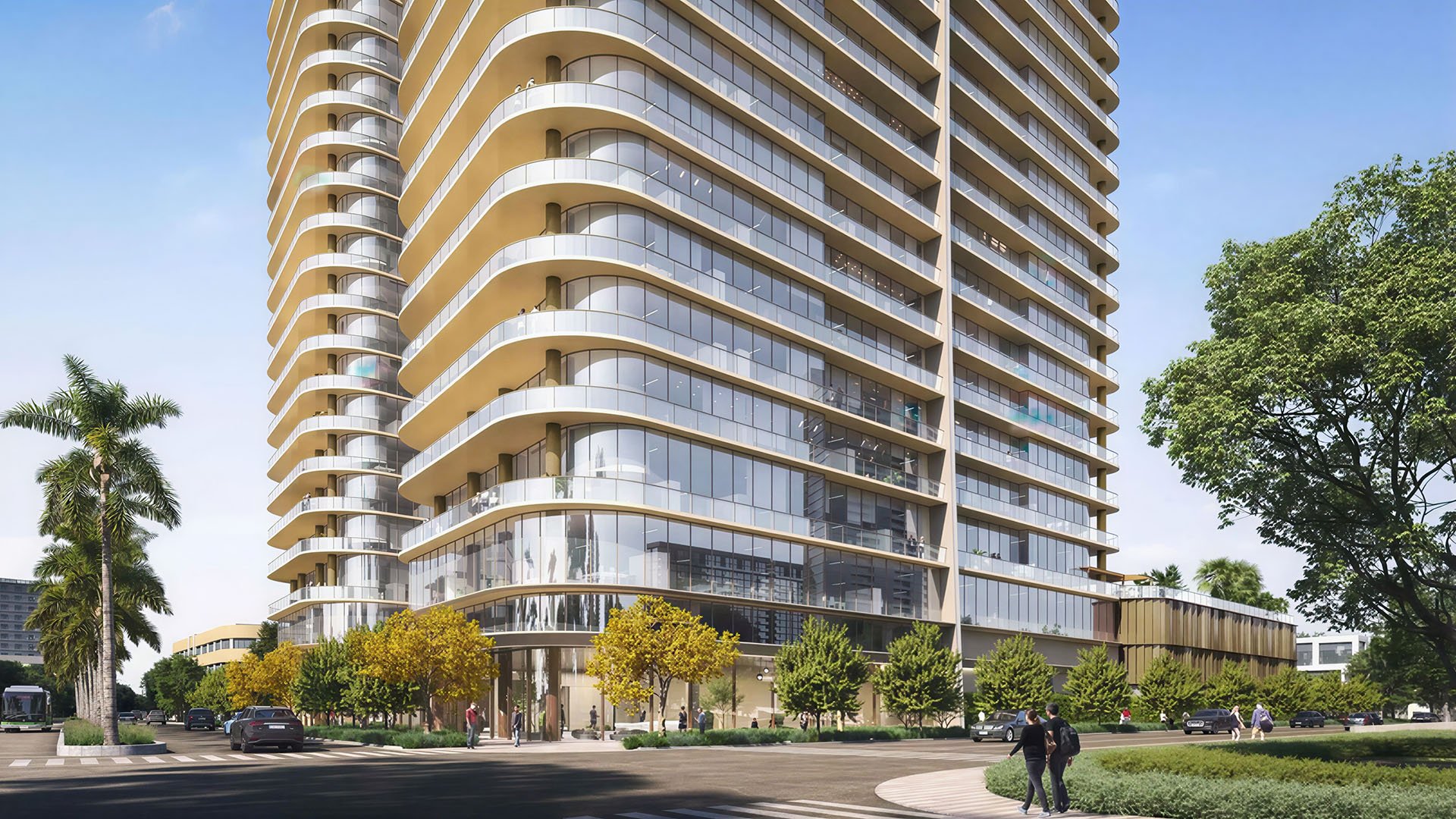
For the buyer who comes to Miami for design, dining, art, client dinners, wellness appointments, and warm-weather weekends, the question is not always how much land to own. It is how elegantly life can be edited. The Miami Design District rewards proximity, rhythm, and access. A pied-à-terre can deliver those qualities with far less friction than a house.
A single-family home offers privacy, gardens, garages, and a domestic scale suited to full-time residency. A pied-à-terre, by contrast, is about precision. It should be easy to enter, easy to leave, and effortless to maintain from another city or country. The right residence functions as a private base: composed, secure, well-serviced, and close enough to the buyer’s Miami life that the car becomes optional rather than mandatory for every outing.
This is the heart of the second-home decision in and around the Design District. Buyers are not simply purchasing square footage. They are buying time, consistency, and a setting that supports a highly curated routine.
Before comparing floor plans, define the real use case. Will the residence be used for long weekends, seasonal stays, art-week hosting, business travel, or an eventual transition to more time in Miami? The answer will shape everything from preferred exposure to storage needs.
For many buyers, the Design District’s appeal is urban and experiential. The day might begin quietly, continue with appointments or meetings, and end with dinner nearby. A house can support that lifestyle, but it often introduces extra layers: landscaping, pool care, security management, storm preparation, service coordination, and the simple question of who is watching the property when the owner is away.
A pied-à-terre transfers much of that burden to the building environment. The best choices feel private without requiring the owner to operate a private estate. That distinction matters for anyone dividing time among multiple homes.
For a pied-à-terre, the building matters as much as the residence. Buyers should study the arrival sequence, lobby discretion, valet experience, elevator privacy, package handling, guest protocol, parking, and how the property feels at different times of day. A beautiful apartment in an inconvenient building becomes less beautiful with each visit.
The most successful lock-and-leave residences tend to share certain qualities: intuitive access, strong staffing, secure parking, practical storage, refined common areas, and a floor plan that lives larger than its nominal size. Outdoor space is valuable, but it should be usable rather than merely decorative. A deep terrace, a view corridor, and well-proportioned living areas often matter more than an oversized layout that sits empty most of the year.
New-construction buyers should also weigh the difference between a residence designed for everyday occupancy and one designed for intermittent, service-supported ownership. The better fit is not always the larger home. It is the one that removes friction.
The most direct approach is to begin with residences that speak to the neighborhood’s design identity. Kempinski Residences Miami Design District is a natural reference point for buyers who want the address story to align with the area’s cultural and design-driven character. For a pied-à-terre buyer, that alignment can be meaningful: the residence becomes an extension of the way the buyer already uses Miami.
Nearby, Miami Design Residences Midtown Miami broadens the conversation for those who want to stay oriented around the Design District while considering a slightly wider urban canvas. This can be especially useful for buyers who value a convenient base but do not need the most literal interpretation of the neighborhood.
Edgewater is another logical comparison set. It offers a different mood: waterfront orientation, skyline energy, and quick connectivity to several central Miami neighborhoods. EDITION Edgewater may appeal to buyers who want a hospitality-inflected residential experience, while Villa Miami suits those considering a more lifestyle-forward version of vertical living. The key is not to drift aimlessly across submarkets. It is to use Edgewater as a focused comparison for buyers who want Design District access with a different residential atmosphere.
Brickell can enter the discussion when the pied-à-terre is tied closely to finance, work, private meetings, or a more metropolitan daily rhythm. It is not the same emotional purchase as a Design District base, but for some buyers, Brickell provides a practical counterpoint: polished, dense, efficient, and business-oriented.
A pied-à-terre should not be a compromise, but it should be edited. The best layouts usually avoid wasted corridors and over-scaled rooms that feel underused. Prioritize a gracious primary suite, a comfortable living area, a kitchen aligned with the owner’s actual habits, and at least one flexible space for guests, work, or wellness.
Storage deserves more attention than many buyers give it. Seasonal wardrobes, luggage, owner closets, golf equipment, art materials, and entertaining pieces all need a place. If the building offers private storage, study its accessibility and security. If not, the floor plan must absorb more of that burden.
View selection is equally personal. Some buyers want the calm of a higher floor and an open horizon. Others prefer a more immediate connection to the neighborhood. The right answer depends on how the residence will be used: quiet retreat, entertaining base, or polished urban suite.
Investment is part of the conversation, but it should not overwhelm the lifestyle thesis. A pied-à-terre near the Design District is often purchased for usability first. Still, disciplined buyers should review carrying costs, association rules, insurance considerations, rental restrictions if relevant, and the long-term appeal of the building’s design and management.
A smaller, better-located, better-serviced residence can sometimes be more satisfying than a larger property that demands constant oversight. The question is not simply price per square foot. It is whether the residence will be used often, maintained beautifully, and remain desirable as the owner’s needs evolve.
Buyers should also be honest about liquidity. Highly specific layouts, unusual finishes, or overly personalized build-outs may be wonderful for the present owner but narrower in the resale market. A pied-à-terre benefits from clarity: elegant proportions, strong materials, and a building identity that is easy to understand.
There are cases where a house wins. Buyers with large families, pets that need outdoor space, extensive staff requirements, multiple cars, or a preference for private entertaining may find that a single-family home offers the autonomy they need. A house can also be the right choice for those who want to build a more permanent Miami life rather than maintain a polished city base.
The trade-off is management. Houses provide freedom, but they ask for attention. A pied-à-terre provides convenience, but it asks for building trust. The right decision comes from matching the property type to the owner’s real pattern of use, not to a generalized idea of luxury.
For the Design District buyer, the most sophisticated purchase is often the one that feels inevitable once the lifestyle has been clearly defined. If Miami is a curated chapter in a larger global life, a pied-à-terre can be the more intelligent expression of ownership. It places the buyer near the experiences that matter, reduces operational burden, and preserves the sense of arrival that makes each stay feel intentional.
The winning residence should be beautiful, yes. More importantly, it should be calm, legible, secure, and easy to inhabit immediately. That is the quiet luxury of a true Miami pied-à-terre.
Is a pied-à-terre better than a house near the Miami Design District? It can be better for buyers who value access, security, and low-maintenance ownership over private land and full estate control.
Who is the ideal buyer for this type of residence? The ideal buyer visits Miami regularly, wants a refined base, and does not want the operational demands of a single-family home.
Should I buy directly in the Design District or nearby? Start with the Design District, then compare nearby areas such as Edgewater and Brickell if your lifestyle calls for waterfront or business-oriented access.
What building features matter most for a pied-à-terre? Prioritize staffing, privacy, parking, storage, security, arrival experience, and the ease of leaving the residence unattended.
Is a smaller residence acceptable in this market? Yes, if the layout is efficient, the finishes are strong, and the building supports a high level of service and convenience.
How important is outdoor space? Outdoor space is valuable when it is genuinely usable, private, and proportionate to the way the owner will live.
Should rental flexibility drive the purchase? It should be reviewed, but the primary decision should still be based on personal use, building quality, and long-term desirability.
What is the biggest mistake buyers make? Many buyers overbuy space and underweight the building experience, which is often the defining factor in part-time ownership.
Can a pied-à-terre become a primary residence later? It can, especially if the floor plan, storage, parking, and neighborhood access are strong enough for longer stays.
What is the best way to shortlist comparable options for touring? Start with location fit, delivery status, and daily lifestyle priorities, then compare stacks and elevations to validate views and privacy.
If you'd like a private walkthrough and a curated shortlist, connect with MILLION.
If branded residences are on your mind — as a home or as an allocation — we would be glad to share what we are seeing, privately.
Begin a quiet conversation