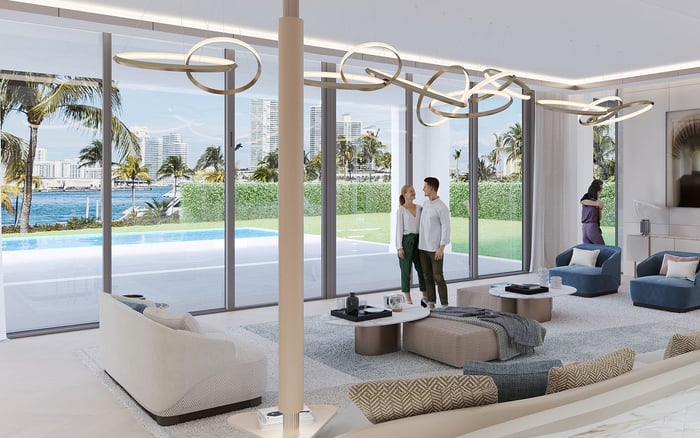
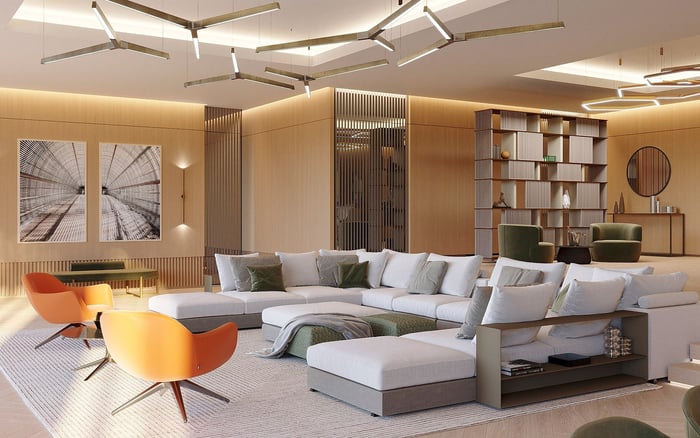
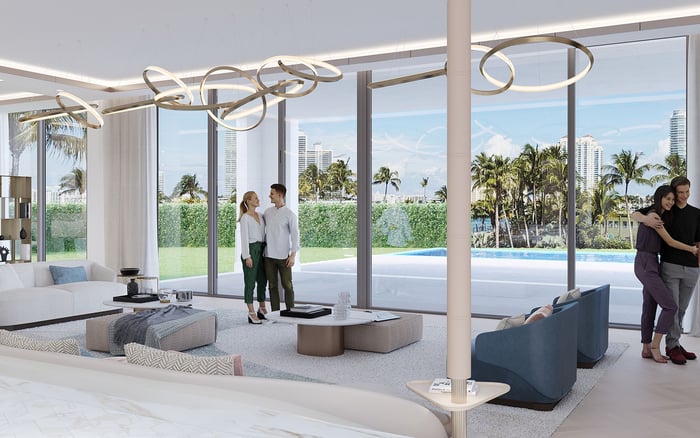
A discreet buyer due-diligence guide to pool-seating availability at The Links Estates at Fisher Island, focused on access rules, guest use, peak-period comfort, fees, documentation, and resale clarity.
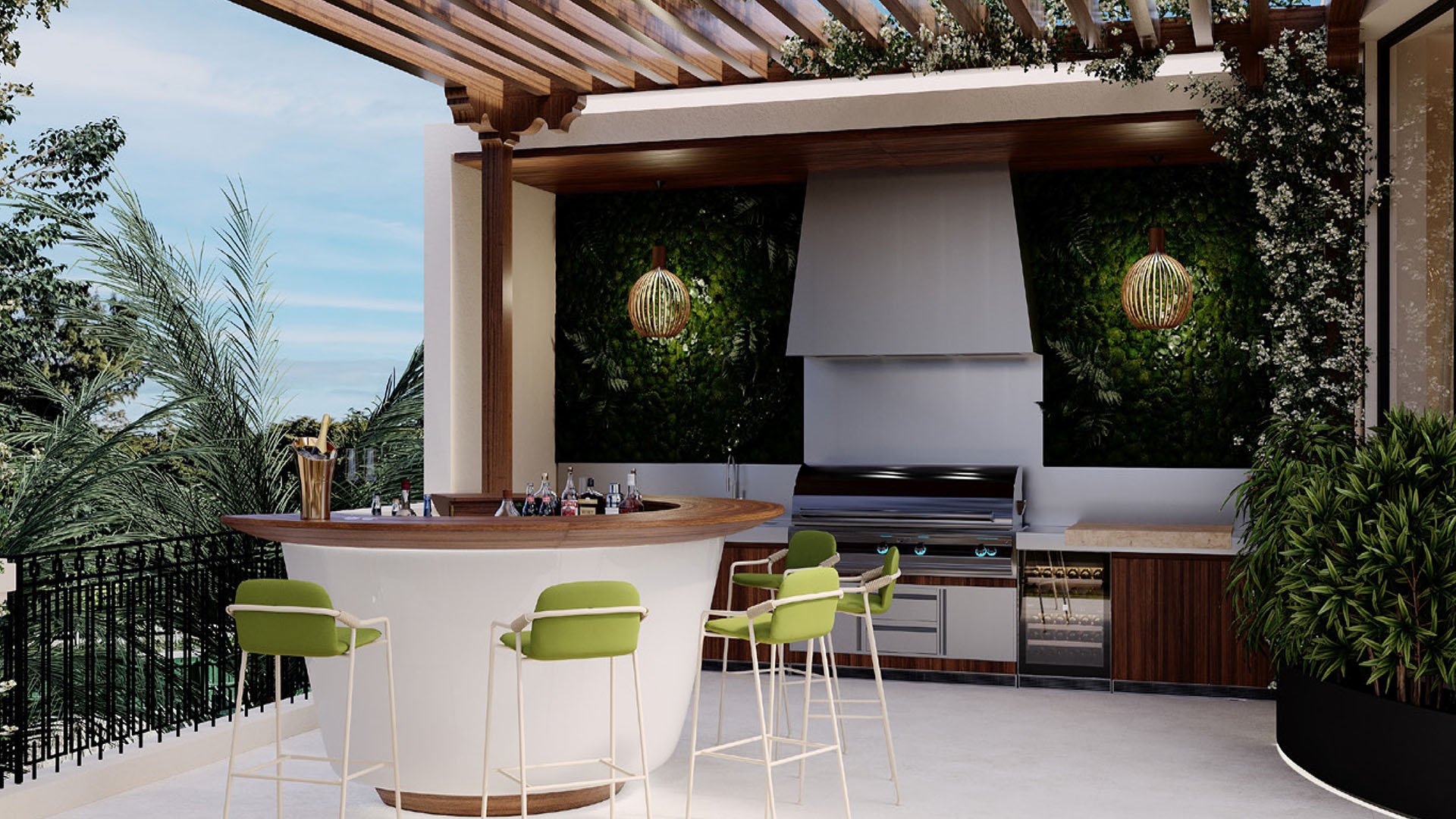
At The Links Estates at Fisher Island, the pool conversation should never be treated as a casual amenity question. For buyers considering a highly selective residential purchase, seating availability around the pool can shape the cadence of daily life, the ease of entertaining guests, and the sense of calm that makes a residence feel truly effortless.
The essential point is simple: buyers should ask direct questions before purchasing. Is pool seating guaranteed? Is it first-come, first-served? Can seats be reserved? Are certain areas governed by club rules, building rules, or separate access protocols? Are seats shared with other Fisher Island residents, and can availability tighten during peak periods? These questions are not about skepticism. They are about aligning expectation with experience.
For buyers comparing language across the market, labels such as Fisher-island, Pool, Golf, Gated-community, and Exclusive-area matter less than the governing documents, operating rules, and day-to-day procedures that determine access.
A buyer may hear that pool seating is “available,” but that word can carry several meanings. It might mean seating exists for resident use. It might mean seating is available when unoccupied. It might mean availability is subject to policies, guest limits, operating hours, seasonal demand, or private events.
Before contract, ask the sales or ownership representative to define availability in practical terms. A refined question is: “When I arrive at the pool during a typical busy period, what should I reasonably expect?” The answer should address not only access to the pool itself, but also access to loungers, shaded seating, cabanas if applicable, companion seating, and any areas that may operate under separate rules.
Buyers should not rely on ambiance alone. A beautifully presented pool deck can feel abundant during a quiet showing. The more useful standard is how it functions during the moments when owners most want to use it.
The first due-diligence question should be precise: is a seat guaranteed for each residence, or is seating shared on a first-come basis? If there is no guarantee, buyers should understand whether that is normal within the property framework and what mechanisms exist to preserve a comfortable experience.
If seating is reservable, ask how reservations work. Can owners reserve in advance? Is there a time limit? Are reservations tied to a residence, an owner account, or a club membership? Are there cancellation rules or no-show policies? If seating is first-come, ask whether staff manages placement, whether owners receive priority, and how overflow is handled during high-demand periods.
None of these questions presumes a problem. They translate a luxury amenity into operating reality. The difference between informal access and managed access can materially change the experience for an owner who values routine, privacy, and predictability.
The next question is the user base. Buyers should ask whether pool seating associated with The Links Estates at Fisher Island is used only by owners within the project, or whether it is connected to a broader set of residents, members, guests, or affiliated users.
The distinction matters. A pool environment shared by a wider population may still be exceptional, but buyers should understand the structure before they purchase. Ask who may use the pool, whether guests are permitted, whether guests must be accompanied by an owner, and whether guest privileges change during peak periods.
If the buyer expects to host family, visiting friends, or seasonal guests, guest seating deserves particular care. A residence that suits quiet personal use may function differently when entertaining. The goal is not merely access, but confidence that the property supports the buyer’s intended lifestyle without friction.
Luxury real estate is often evaluated in still photographs, but ownership is lived in motion. Pool seating can feel very different on a quiet weekday than it does during holidays, winter season, school breaks, or major social weekends. Buyers should ask how seating demand changes across the year and whether any procedures are used when the pool deck is busiest.
A useful question is: “What happens when demand exceeds available seating?” The answer may reveal whether staff maintains a waitlist, whether there are time limits, whether shaded areas are prioritized, or whether owners are simply asked to return later. Buyers should also ask whether quiet hours, family hours, adult-oriented areas, or service rules affect the atmosphere.
For some buyers, the pool is a daily ritual. For others, it is a hospitality setting. Both profiles require clarity, especially where privacy and ease are central to the purchase decision.
Verbal explanations can be helpful, but buyers should request the current written rules governing pool use and seating. This may include association documents, club rules, house rules, reservation procedures, guest policies, fee schedules, or any separate operating guidelines that apply to the pool environment.
The key is to identify which rules are fixed, which may be amended, and who has authority to change them. A buyer should ask whether pool-seating rules can be revised by an association, a club, management, or another governing body. Even if the current arrangement feels comfortable, the ability to change rules later is an important ownership consideration.
Buyers should also ask whether any fees apply to reserved seating, guest access, cabana use, service minimums, or special events if those categories exist. If a fee structure is not applicable, that should be made clear as well. Silence is less useful than a direct answer.
Pool-seating clarity can influence future resale conversations. A later buyer may ask the same questions, and a well-documented answer can help preserve confidence. At the upper end of the market, ambiguity can feel less like romance and more like risk.
For The Links Estates at Fisher Island, a buyer should treat pool seating as part of broader ownership diligence, alongside residence design, privacy, access, services, and community rules. The amenity itself may be beautiful, but the rights and procedures behind it determine the owner experience.
A sophisticated buyer does not need every answer to be maximal. Not every luxury property guarantees every seat at every hour. What matters is alignment. If the rules are shared, consistent, and compatible with the buyer’s expectations, the pool becomes an asset to daily life rather than a question mark.
Before moving forward, buyers should ask a compact set of questions and insist on clear answers. Who controls pool seating? Is any seating allocated to specific residences? Is seating guaranteed, reservable, or first-come? Are guests permitted, and under what circumstances? Are there peak-period limitations? Are fees possible? Can rules change, and who approves changes?
The most telling answer may be operational rather than legal. Ask the person explaining the property to walk through a real owner scenario: a sunny weekend afternoon, two residents, two guests, and a preference for shaded seating. What happens next? That scenario will often reveal more than a brochure phrase.
At this level, luxury is not only about having amenities. It is about reducing uncertainty around how those amenities are enjoyed.
Is pool seating guaranteed at The Links Estates at Fisher Island? Buyers should ask directly and request the current rule in writing before relying on any assumption.
Should buyers ask if seating is first-come, first-served? Yes. First-come access can be perfectly acceptable, but it should be understood before purchase.
Can pool seating be reserved? Buyers should ask whether reservations exist, how they are made, and whether limits or cancellation rules apply.
Are pool rules controlled by the residence, an association, or another body? Buyers should identify who governs the pool environment and who has authority to change procedures.
Should guest seating be reviewed separately? Yes. Guest access may differ from owner access, especially during busy periods or special circumstances.
Can pool seating become limited during peak periods? Buyers should ask how the property handles high-demand days, holidays, and seasonal crowding.
Are there fees related to pool seating or guest use? Buyers should request any applicable fee schedule and confirm whether seating, guests, or premium areas carry charges.
Why does pool seating matter for resale? Future buyers may ask the same questions, so documented clarity can support confidence during resale discussions.
What is the best question to ask during a showing? Ask what an owner should expect on a busy weekend when arriving with guests and seeking shaded seating.
Is pool-seating diligence only about convenience? No. It also touches privacy, service expectations, guest hospitality, and the daily rhythm of ownership.
For a discreet conversation and a curated building-by-building shortlist, connect with MILLION.
If branded residences are on your mind — as a home or as an allocation — we would be glad to share what we are seeing, privately.
Begin a quiet conversation