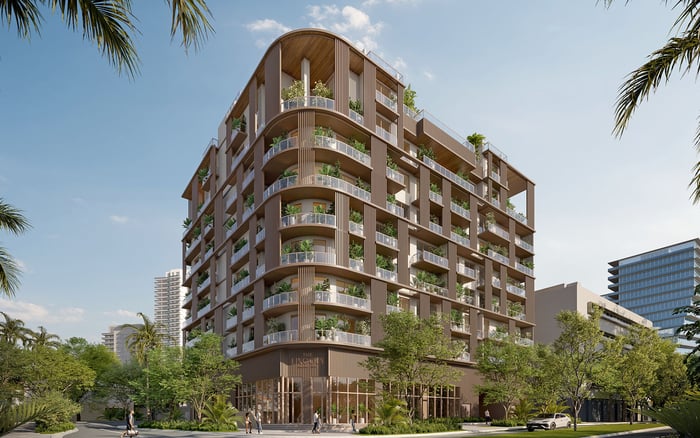
The Lincoln and Ziggurat offer two distinct interpretations of boutique living in Coconut Grove: a resident-focused condominium and a limited residential collection within a mixed-use destination. For buyers seeking a lasting neighborhood base, the distinction matters more than residence count alone.
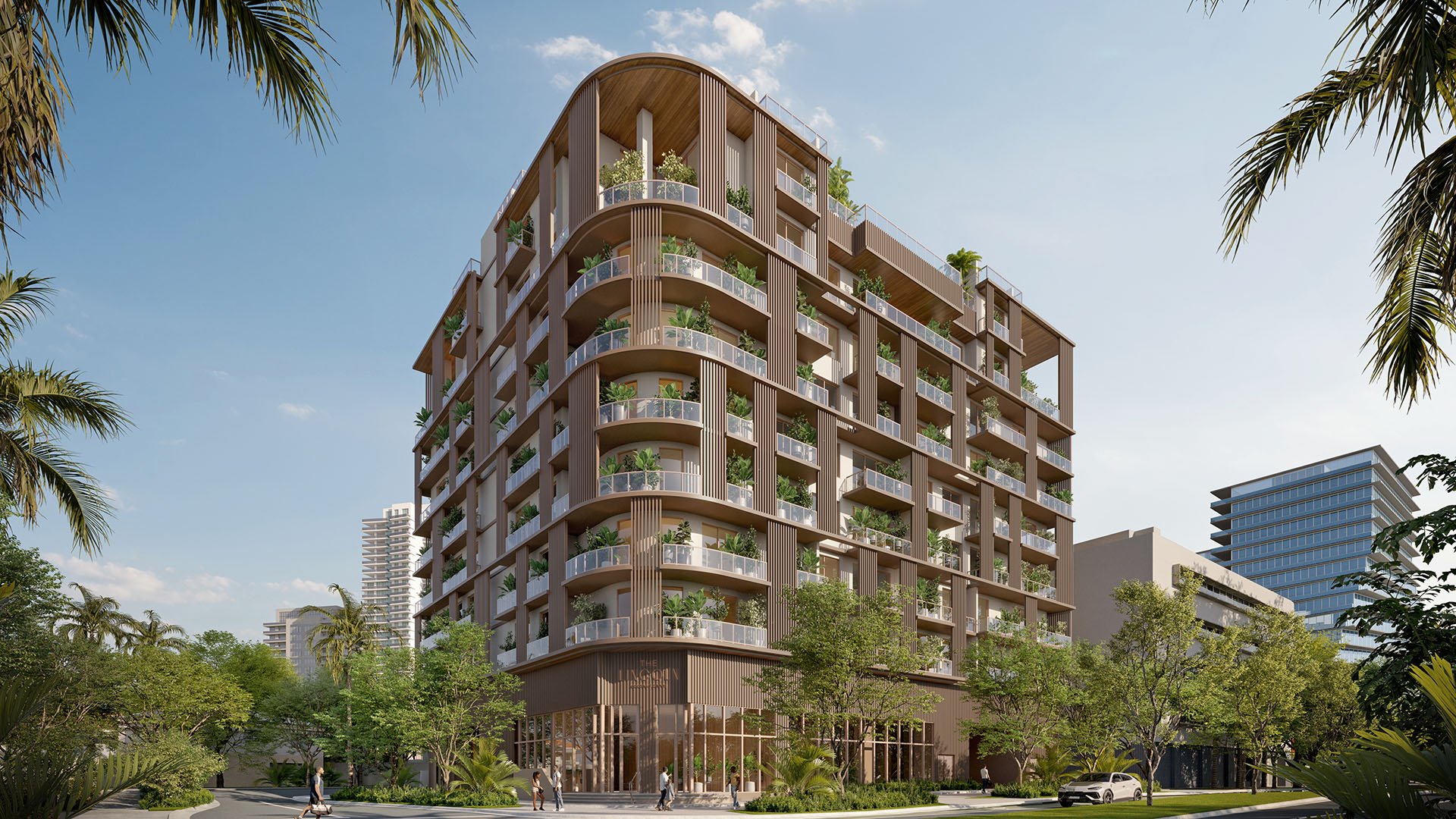
A permanent neighborhood base is less about how often an owner arrives than how naturally a home accommodates ordinary life. Work calls, visiting family, an unhurried dinner and the ability to retreat all matter. In Coconut Grove, The Lincoln and Ziggurat offer two approaches to that ambition without making a large residential collection the centerpiece.
The distinction is structural. The Lincoln comprises 48 residences in a boutique condominium. Ziggurat comprises 19 private residences within a broader mixed-use development. Both merit consideration from buyers seeking a smaller residential community, but they organize the relationship between home and neighborhood differently.
Here, “permanent” describes an ownership intention, not a primary-residence requirement or an assurance of year-round occupancy. The useful question is whether a property's layout, shared spaces and surroundings can support a household over time. A limited residence count begins that conversation; it does not settle it.
At 2650 Lincoln Avenue, The Lincoln Coconut Grove offers one- to four-bedroom layouts. Its in-suite dens are particularly relevant to a lasting neighborhood base. An additional room can separate work from relaxation or accommodate another household use without asking the principal living area to serve every function.
That flexibility deserves scrutiny at the floor-plan level. Buyers should consider furniture placement, circulation and whether the den suits their intended use. A room's label matters less than its practical contribution to the home. For someone planning to keep a residence through changing routines, adaptable space can be more useful than a feature reserved for occasional entertaining.
The shared amenities reinforce this residential emphasis: a resident lounge, co-working lounge, golf simulator, media area and multipurpose pool table. Together, they provide settings beyond the apartment for work and leisure, without requiring every activity to take place inside the residence.
The Lincoln is marketed as under construction. Buyers should confirm current construction progress, contractual delivery provisions and available residences rather than treating promotional status as a completion commitment. The relevant test is how the proposed home will function once occupied, alongside the terms governing its delivery.
Ziggurat Coconut Grove takes a different approach to small-scale residential living. Its 19 private residences form one component of a project that also includes planned office and retail uses. The limited residential collection should therefore be evaluated separately from the scale and activity of the development as a whole.
Designed by Oppenheim Architecture, with interiors by Collarte Interiors, Ziggurat draws inspiration from ancient stepped ziggurats. Greenery and tropical planting are integrated into the architectural concept, while oolite stone, warm woods and deep terraces establish its material vocabulary.
Advertised residential features include private elevators, soaring ceilings, smart-home technology, summer kitchens and imported Italian stone. For a long-term owner, their value lies in how they work together. Arrival, outdoor dining and the transition between interior and terrace deserve as much attention as individual finishes.
The planned open-air paseo introduces dining, boutiques and European-style cafés. This is a different proposition from a resident lounge: neighborhood-facing activity rather than an exclusively residential amenity. Buyers drawn to this arrangement should distinguish the planned commercial experience from confirmed, operating businesses. A proposed dining program is not a tenant guarantee.
At Ziggurat, deep terraces and summer kitchens make outdoor use central to the residential proposition. The practical assessment should begin with the specific residence, not the overall architectural image. Buyers can ask how seating, dining and circulation fit together, and what the plans reveal about the relationship between outdoor space and neighboring uses.
At The Lincoln, the in-suite den and co-working lounge suggest a different emphasis: accommodating work and household routines across private and shared interiors. Neither approach is inherently more suitable for permanent use. One household may prioritize a dedicated working environment; another may place greater weight on terrace dining and the planned paseo.
The comparison becomes clearer when buyers describe an ordinary week rather than an ideal weekend. Where will a call take place? How will guests be accommodated? Which shared spaces would actually be used? These questions turn an attractive presentation into a practical ownership decision.
Forty-eight homes and 19 homes are meaningful measures of residential scale. They do not, by themselves, establish quieter living, stronger privacy, lower operating costs or better resale performance. Those outcomes depend on details a headline residence count cannot explain.
For The Lincoln, buyers should examine access to shared amenities, management arrangements and the operating budget. For Ziggurat, the relationship between residential and commercial components deserves additional attention. Entrances, deliveries, servicing and the allocation of shared expenses are all appropriate subjects for document review.
Neither project should be judged solely by the number of neighbors. A smaller residential collection can coexist with a substantial nonresidential program, just as a resident-focused condominium still requires careful review of its rules and finances.
A broader Coconut Grove search might also include Opus Coconut Grove. The purpose of comparison is not to assume equivalent specifications, but to apply the same questions consistently: what is private, what is shared and what obligations accompany ownership?
Before committing, buyers should request the applicable condominium documents, proposed or current budgets, parking details, rental provisions and delivery terms. These establish the practical boundaries of ownership more reliably than the language of boutique living. Any intended use, including extended stays or accommodating visiting family, should be checked against the governing documents.
The Lincoln's resident-focused amenities and flexible interiors offer one framework for a lasting base. Ziggurat's limited residential collection, architectural identity and planned mixed-use setting offer another. The choice is not simply between 48 residences and 19; it is between two ways of organizing everyday life.
For the buyer thinking beyond an occasional visit, the stronger fit will be the home whose spaces, access arrangements and ownership terms remain useful when the novelty of arrival has passed.
Explore a more considered approach to Coconut Grove ownership with MILLION.
If branded residences are on your mind — as a home or as an allocation — we would be glad to share what we are seeing, privately.
Begin a quiet conversationThe Lincoln comprises 48 residences, with layouts ranging from one to four bedrooms.
The Lincoln is located at 2650 Lincoln Avenue in Coconut Grove, Miami.
Its in-suite dens provide additional space for work or other household uses. Shared amenities include resident and co-working lounges.
The project is marketed as under construction. Buyers should confirm its current status and contractual delivery terms.
Ziggurat includes 19 private residences within a broader mixed-use development.
Ziggurat is designed by Oppenheim Architecture, with interiors by Collarte Interiors.
Advertised features include private elevators, soaring ceilings, smart-home technology, deep terraces, summer kitchens and imported Italian stone.
The planned open-air paseo incorporates dining, boutiques and European-style cafés. Planned uses should not be treated as confirmed operating businesses.
No. Residence count alone does not establish privacy, quiet, operating costs or resale performance.
No. It describes an ownership intention, not an established occupancy requirement; buyers should review the governing documents for applicable rules.