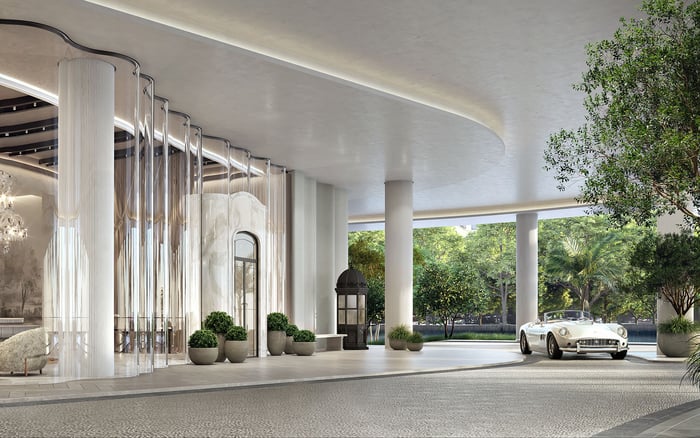
In South Florida’s luxury residential market, bilingual service culture is becoming a practical measure of ease, discretion, and asset stewardship. For 2026 buyers, it is less about translation than about reducing friction across ownership, hospitality, leasing, resale, and family life.
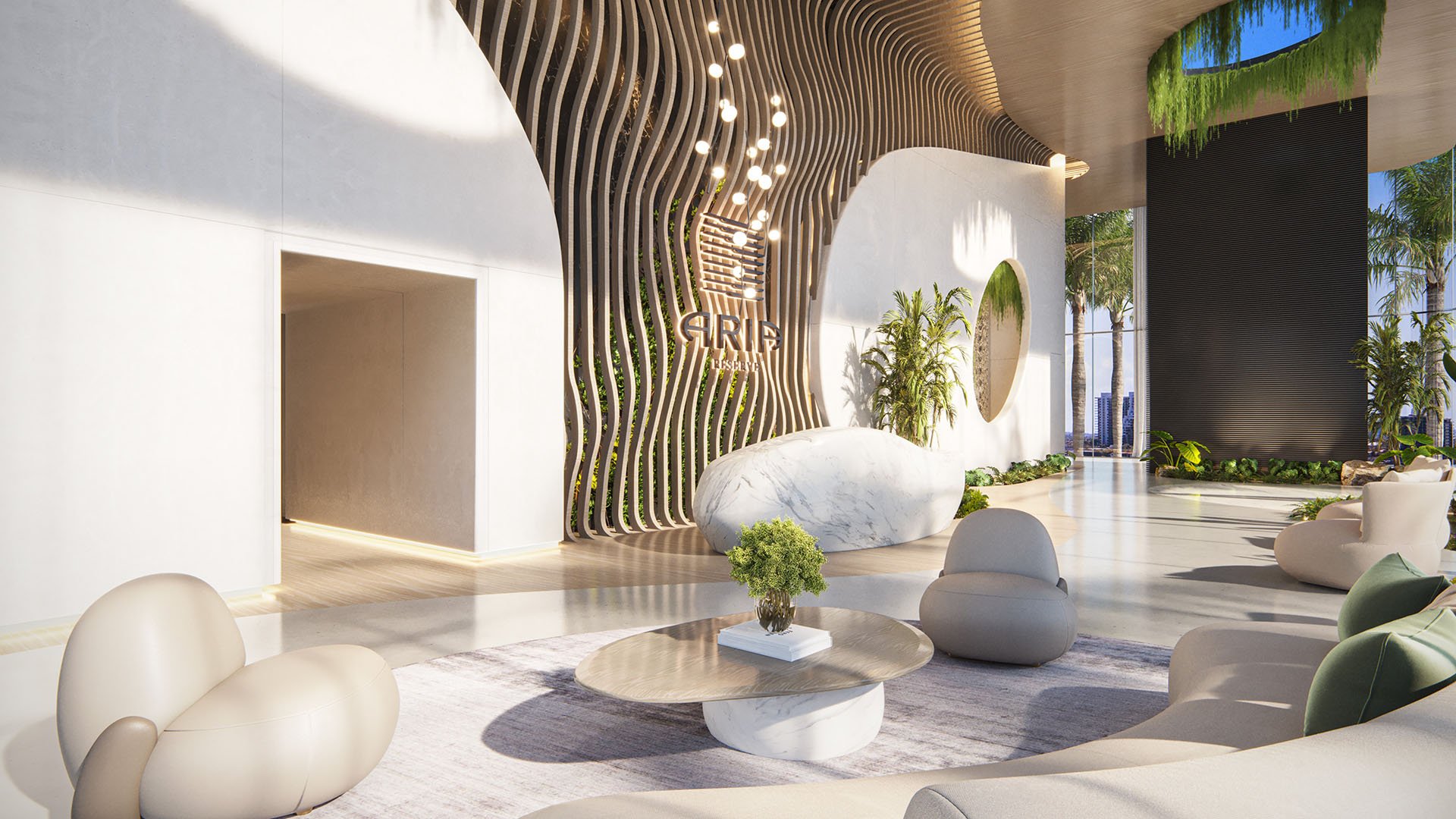
In South Florida luxury real estate, language has moved beyond convenience. It is now part of the operating system of a well-run residence: a hospitality standard and a risk-control mechanism for owners who expect their property to function gracefully whether they are in town, abroad, hosting family, or preparing for resale.
The point is not simply whether a front desk associate can move between English and Spanish. The more important question is whether the building, management team, leasing process, vendor network, and ownership communications can make high-stakes residential life feel effortless across cultures. In 2026, that distinction will matter to buyers who view a home not only as a private retreat, but also as an investment with reputational, operational, and liquidity considerations.
South Florida’s luxury audience is international by nature. In Brickell, Aventura, Doral, and Edgewater, daily residential life often involves multilingual households, cross-border family offices, seasonal ownership, international guests, domestic staff, visiting relatives, designers, legal advisers, and property managers. A bilingual service culture creates continuity among all of them. It protects tone, privacy, timing, and intent, often the difference between a polished ownership experience and a costly misunderstanding.
At the top of the market, service is judged by how little it calls attention to itself. The best residential teams anticipate needs, understand family rhythms, and communicate clearly without requiring owners to translate their lives at every point of contact. Bilingual fluency can make a building feel more personal, especially for households that move naturally between languages at home, in business, and socially.
That value is most visible in everyday moments. A guest arrival, a service elevator request, a children’s pickup instruction, a pet access concern, or a last-minute dining reservation can all become more graceful when language is handled naturally. The owner does not feel like a special exception. The family does not need to slow down to be understood. The residence becomes an extension of how they actually live.
Discretion also improves when language is part of culture rather than a reactive accommodation. Sensitive conversations about schedules, staff, deliveries, travel, maintenance, or private events are better handled by teams that understand nuance. Luxury buyers are not merely purchasing finishes. They are buying confidence that the building knows how to protect the family’s pace and privacy.
The financial argument is equally clear. Residential assets perform better when operations reduce friction. Bilingual service can support faster issue resolution, cleaner documentation, more confident leasing conversations, and stronger owner satisfaction. None of those elements guarantees appreciation, but each can contribute to the perceived quality of the asset.
For owners who lease seasonally or long term, bilingual communication can widen the pool of qualified prospects and reduce confusion around rules, deposits, move-in logistics, access procedures, and service expectations. For owners preparing for resale, the same culture can support a more composed showing experience. A prospective buyer who feels understood in the lobby, in the amenity areas, and during follow-up is more likely to associate the property with competence.
There is also a retention argument. Buildings with responsive, culturally fluent service teams can make owners less inclined to trade out of the property simply because life feels difficult there. This matters in premium condominiums, where the emotional quality of ownership influences whether residents renew leases, recommend the building, keep second homes, or consolidate their South Florida footprint.
In Brickell, bilingual service often intersects with finance, hospitality, and international business travel. Owners may be coordinating meetings, family arrivals, private drivers, and vendor access within the same afternoon. A team that communicates comfortably across languages can help the building feel like a private command center rather than a transactional address.
In Aventura, where family life, shopping, schools, and seasonal patterns shape daily decisions, bilingual fluency can be especially valuable for multigenerational households. Grandparents, parents, children, household employees, and visiting relatives may all interact with the property in different ways. Service culture should meet them without friction.
In Doral, the case is often operational. Many owners balance business, aviation, logistics, and extended family needs. Clear bilingual communication can help coordinate vendors, arrivals, repairs, and household schedules with fewer delays. It is not glamorous, but it is exactly the kind of quiet competence that sophisticated buyers remember.
In Edgewater, where waterfront living and urban access attract a varied ownership base, bilingual service can strengthen the bridge between private residence and city life. From amenity bookings to transportation coordination, the experience feels more refined when communication is precise and culturally at ease.
A polished sales gallery can suggest hospitality, but buyers should look deeper. Ask how the building handles owner notices, emergency communications, concierge requests, package issues, maintenance scheduling, and vendor coordination. The question is not whether someone on staff speaks another language. The question is whether bilingual service is embedded in the daily operating rhythm.
Buyers should also consider management continuity. A residence may feel excellent during the sales process, but ownership quality depends on the people who run the building after closing. Strong properties train for tone, discretion, speed, and cultural competence. They do not treat language as a marketing flourish.
For investment-minded buyers, the review should extend to leasing and resale support. If a future tenant, buyer, or representative feels that the building communicates clearly, the asset’s soft power improves. In luxury real estate, soft power is not soft at all. It shapes perception, trust, and the willingness to pay for a more seamless life.
The most sophisticated buildings will not present bilingual service as a novelty. They will treat it as part of a broader residential language: respect, privacy, precision, warmth, and follow-through. Translation is mechanical. Culture is relational. The latter is what turns a condominium into a place of confidence.
This is why bilingual service belongs in the same conversation as architecture, amenities, views, wellness, parking, and security. It affects the owner every week, often in small ways that compound over time. In a market where many properties compete on design language and branded experiences, the human language of service may become one of the clearest differentiators.
For 2026 buyers, the question is simple: will this residence understand my life as it is actually lived? If the answer is yes, bilingual service culture becomes both a lifestyle advantage and a balance-sheet discipline.
Why is bilingual service important in South Florida luxury real estate? It supports smoother daily living for international, multilingual, and multigenerational households. It also helps reduce misunderstandings in ownership, leasing, and building operations.
Is bilingual service only relevant for Spanish-speaking owners? No. The larger value is cultural fluency, clear communication, and operational ease for households, guests, advisers, and vendors who may work across languages.
Can bilingual service affect property value? It does not guarantee value growth, but it can improve perceived quality, owner satisfaction, leasing confidence, and the overall experience of the asset.
What should buyers ask a building before purchasing? Ask how concierge, management, maintenance, emergency notices, and leasing communications are handled across languages. Look for consistency rather than a one-person solution.
Does this matter more in Brickell than in other areas? Brickell has a strong international rhythm, so the benefit is visible there. It also matters in Aventura, Doral, Edgewater, and other luxury neighborhoods.
How does bilingual service help second-home owners? It can make remote ownership easier by improving communication with management, guests, staff, and vendors. That reduces friction when owners are away.
Is this mainly a concierge issue? No. It should extend to management, security, maintenance, leasing, and owner communications. The strongest buildings treat it as culture, not a desk function.
Can bilingual service help with resale? Yes. It can support a more polished buyer experience during showings and follow-up. Buyers often notice when a property feels professionally and naturally run.
Should investment buyers prioritize this factor? They should consider it as part of operational quality. Clear communication can support tenant satisfaction, smoother leasing, and a stronger long-term ownership experience.
What is the simplest test for buyers? Notice how the property communicates before, during, and after a visit. If the experience feels clear, discreet, and natural, the service culture is likely stronger.
If you'd like a private walkthrough and a curated shortlist, connect with MILLION.
If branded residences are on your mind — as a home or as an allocation — we would be glad to share what we are seeing, privately.
Begin a quiet conversation