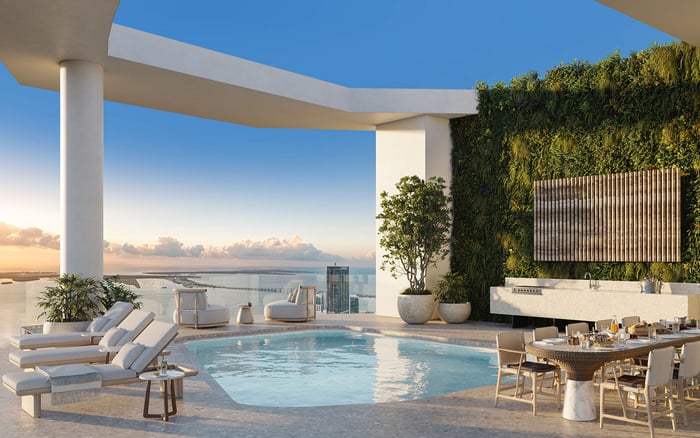
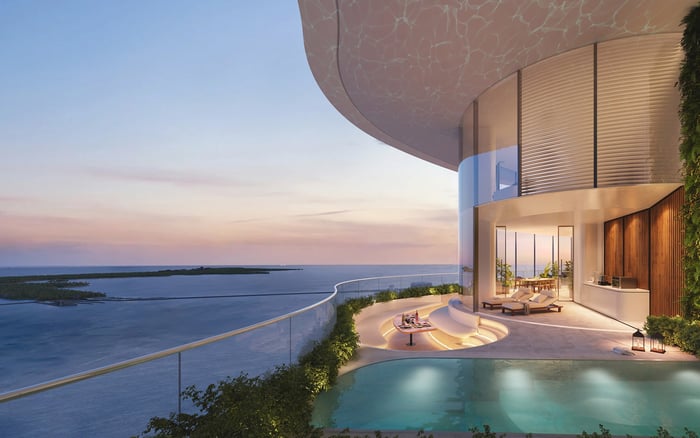
A discreet buyer’s guide to evaluating private plunge pools before closing on a South Florida luxury residence, from documents and inspections to negotiation strategy.
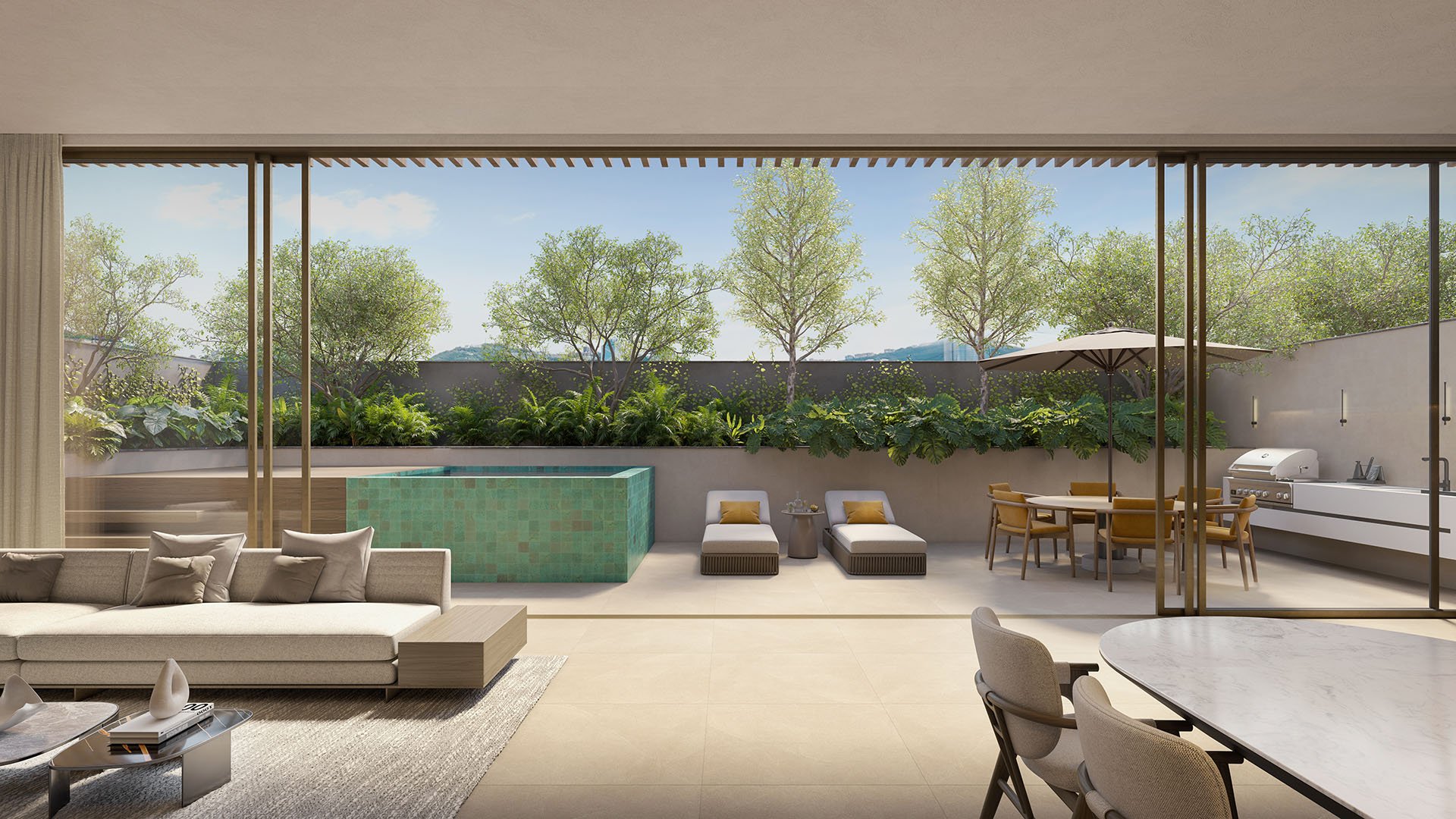
A private plunge pool is one of South Florida’s most seductive residential features. It catches morning light, softens the skyline, and turns a Terrace into a private resort. Before closing, however, it should be treated less as decoration and more as infrastructure. Water, weight, mechanical systems, waterproofing, drainage, finishes, automation, and access all meet inside one compact amenity.
For luxury buyers, the risk is rarely that a plunge pool appears neglected. The greater risk is that it photographs beautifully while concealing deferred maintenance, incomplete documentation, or repair obligations that transfer with ownership. A Pool on a high floor, beside a Balcony, or within a Waterview residence may be especially desirable, but that desirability should sharpen the diligence, not soften it.
The first hidden cost is mechanical. Pumps, heaters, filters, sanitation systems, lighting, valves, sensors, covers, and automation controls can be expensive to diagnose, because a failure may not reveal itself during a brief showing. A pool can be filled, clear, and staged while still operating inefficiently or inconsistently.
The second cost is waterproofing. Plunge pools placed near living areas or exterior edges require careful review of membranes, drains, overflow details, and surrounding finishes. Minor staining, efflorescence, loose stone, swollen decking, or persistent dampness may point to a condition worth investigating before the buyer’s contingencies expire.
The third cost is access. Some private pools are straightforward to service. Others require staff coordination, special equipment, restricted elevator use, or work through finished interiors. In an ultra-premium residence, the inconvenience of repair can become as consequential as the invoice itself.
A buyer should ask for the paper trail before falling in love with the reflection. Useful documents may include permits, approvals, warranties, operating manuals, maintenance records, repair invoices, equipment specifications, and any rules governing private water features. If the pool is part of a condominium or managed residence, the buyer should also understand where private responsibility ends and building responsibility begins.
Service history is particularly valuable. A consistent record of professional care suggests the pool has been treated as a system. Gaps do not automatically signal trouble, but they should prompt questions. Has the water chemistry been monitored? Has equipment been replaced? Have leaks or surface repairs been addressed? Are any warranties transferable, and if so, what steps are required to preserve them?
For an Investment purchase, the inquiry should go further. A private plunge pool may elevate rental appeal or resale positioning, but it may also introduce operating limitations, insurance questions, and maintenance expectations. The strongest buyers quantify both sides before assigning value.
The inspection should be calm, methodical, and ideally performed while the pool is running. Listen for irregular pump noise. Confirm whether jets, lights, heating, covers, and controls respond as expected. Study the tile lines, grout, coping, drains, overflow channels, surrounding stone, glass rails, adjacent walls, and the ceiling or rooms below if accessible.
Do not overlook the surrounding lifestyle zone. A plunge pool is often sold as part of a larger outdoor composition: outdoor kitchen, lounge area, summer dining, privacy planting, shade system, and view corridor. If the Terrace drains poorly, the Balcony doors show water intrusion, or the finishes are unusually slippery, the pool experience may be less effortless than the marketing suggested.
The best review also considers how the pool will be used. Occasional evening soaks, daily wellness rituals, family use, and entertaining each create different demands. A compact pool that is perfect for two may be less practical for frequent guests. Conversely, a modestly scaled plunge pool can be the most elegant answer for buyers who value atmosphere over volume.
In Brickell, a private plunge pool can feel like a rare pocket of quiet above the city, but vertical living makes coordination, rules, and access essential. In waterfront enclaves, the appeal may center more on privacy than skyline drama. In single-family settings, buyers may have more control, but they also carry broader responsibility for the entire system.
Climate also changes the conversation. Heat, salt air, intense sun, storms, and heavy seasonal use can accelerate wear on finishes, hardware, furniture, and equipment. A Waterview setting may be visually priceless, but exposure can be physically demanding. The sophisticated buyer asks not only what the pool looks like today, but what it will require to remain serene five years from now.
This is where discretion becomes financial discipline. The objective is not to diminish the romance of a private pool. It is to ensure the purchase price, closing terms, and post-closing budget reflect the amenity’s actual condition.
Once concerns are identified, buyers have several paths. They can request repairs before closing, negotiate a credit, require documentation, seek a specialist opinion, or decide the issue is acceptable within the broader value of the property. The right answer depends on leverage, timing, property rarity, and the buyer’s tolerance for disruption.
The key is to act before closing, while information still has negotiating power. After closing, a private plunge pool becomes part of the owner’s lifestyle and balance sheet. Before closing, it remains a point of diligence, discussion, and possible protection.
Luxury real estate rewards desire, but it also rewards precision. A private plunge pool should inspire confidence, not uncertainty. When the water is clear and the responsibilities are clearer, the amenity can deliver what it promised: privacy, calm, and a daily sense of arrival.
Why should a private plunge pool be inspected before closing? Because it combines water, mechanical systems, finishes, and structural interfaces. A beautiful surface can still conceal maintenance or access issues.
Is a plunge pool more complicated in a condominium residence? It can be, because responsibility may involve both the private owner and building rules. Buyers should clarify maintenance, access, and repair obligations.
What documents should a buyer request? Ask for permits, approvals, warranties, service records, repair invoices, equipment details, and operating instructions when available.
Should the pool be running during inspection? Yes, if possible. Running the system helps reveal pump noise, control issues, lighting failures, heating concerns, and drainage behavior.
Can a private Pool affect resale value? It can enhance lifestyle appeal, especially when well maintained. Poor documentation or unresolved defects can weaken the premium.
What matters most on a Terrace installation? Drainage, waterproofing, finish condition, service access, and surrounding safety details deserve close review before closing.
Does a Balcony plunge pool need special attention? Yes, buyers should be attentive to weight, waterproofing, edge details, and any building rules that govern use and maintenance.
Is a Waterview pool automatically more valuable? Not automatically. The view may elevate desirability, but condition, privacy, exposure, and ongoing care still determine practical value.
How should buyers approach negotiation if defects appear? They can request repairs, credits, documentation, or specialist review. The strongest position is formed before contingencies expire.
What is the best way to shortlist comparable options for touring? Start with location fit, delivery status, and daily lifestyle priorities, then compare stacks and elevations to validate views and privacy.
For a discreet conversation and a curated building-by-building shortlist, connect with MILLION.
If branded residences are on your mind — as a home or as an allocation — we would be glad to share what we are seeing, privately.
Begin a quiet conversation