A buyer-focused guide to reading flood disclosure forms for Grove Isle purchases in 2026, with emphasis on insurance, condo diligence, contract strategy, and long-term ownership planning.
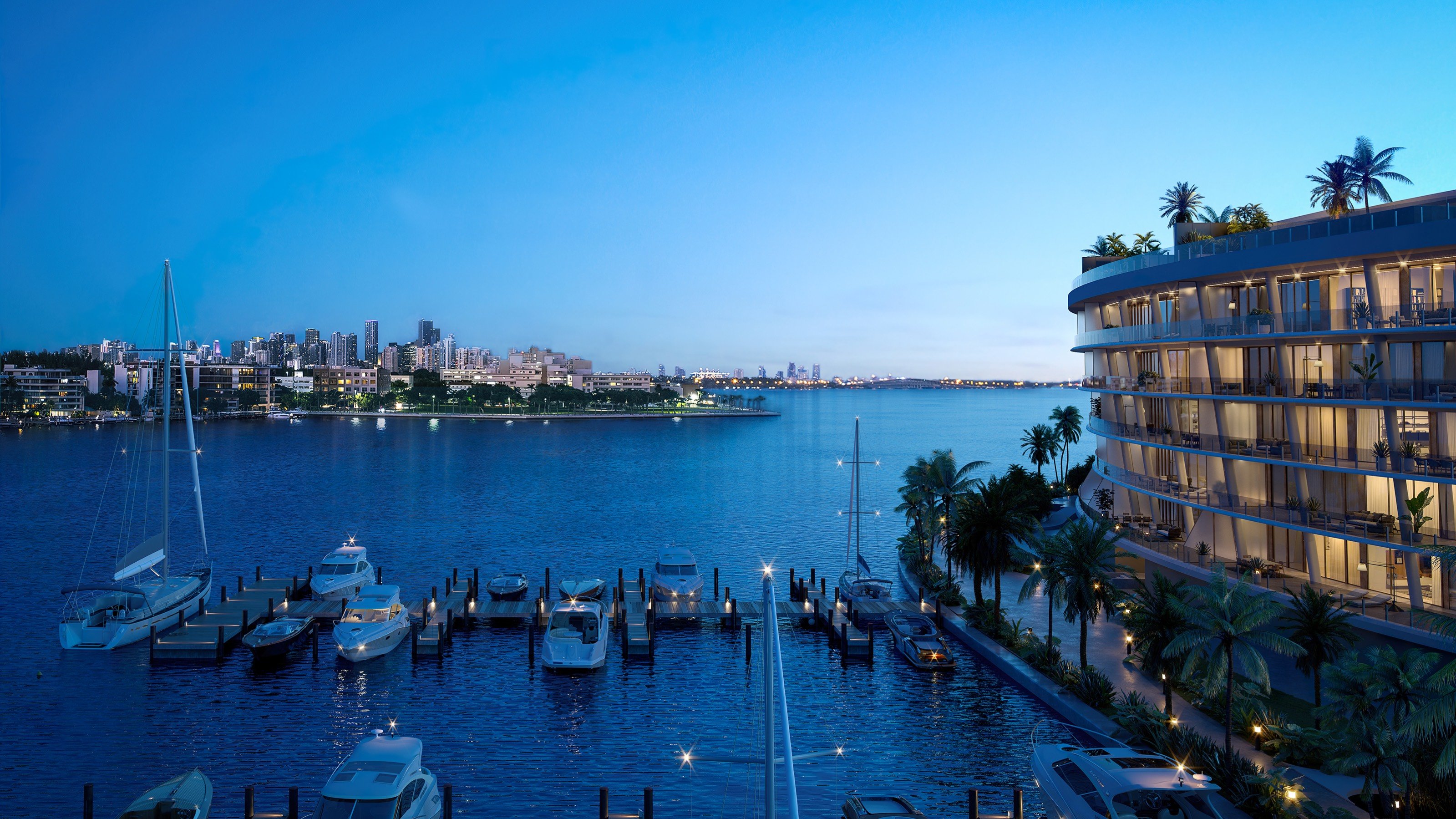
At Grove Isle, water is never merely a view. It is part of the architecture of daily life, the emotional premium of ownership, and the diligence file sophisticated buyers should read before they fall in love with a residence. In 2026, a flood disclosure form should not be treated as another signature page. It should be read as a decision document.
For a luxury buyer, the question is not simply whether a property is desirable. It is whether the risk profile is understood clearly enough to support the price, financing, insurance strategy, renovation plan, and eventual resale narrative. A well-reviewed flood disclosure form can sharpen each of those decisions.
This is especially relevant for buyers comparing Grove Isle with other waterfront choices in Coconut Grove, Brickell, Miami Beach, Key Biscayne, and the wider South Florida market. The most elegant acquisition is the one in which the romance of the water and the discipline of the file are allowed to coexist.
Flood disclosure forms are often approached too passively. A buyer receives the document, scans for obvious red flags, and moves on to more glamorous matters: views, finishes, parking, club amenities, and terrace depth. That is the wrong hierarchy. The disclosure should be read slowly, beside the contract, condominium documents, insurance materials, inspection notes, and any renovation ambitions.
Start with language. Is the disclosure precise, vague, qualified, or incomplete? Does it describe known conditions directly, or does it rely on broad disclaimers? The tone of the document matters because it frames how much follow-up is required. A clean-looking form can still invite meaningful questions if it does not speak clearly to past conditions, water intrusion, repairs, claims, or building-level mitigation.
The strongest buyers do not use the form to create alarm. They use it to create sequence. First, understand what is being disclosed. Second, identify what remains unanswered. Third, assign each open item to the correct professional: counsel, inspector, insurance advisor, lender, association representative, or contractor. The objective is not to make the transaction difficult. It is to keep elegance from becoming ambiguity.
A Grove Isle buyer should ask questions specific enough to produce usable answers. Has there been any known water intrusion affecting the residence? If so, what was repaired, when was it repaired, and by whom? Were any materials replaced? Were permits, approvals, or association permissions involved? Are there building-wide issues that may affect future assessments, insurance, or access to coverage?
Insurance should be reviewed early, not after contract momentum has made the buyer emotionally committed. The buyer’s advisor should consider whether the residence, the building, and the association’s insurance framework align with the buyer’s risk tolerance. This is not just about annual premium cost. It is about exclusions, deductibles, claim procedures, and the owner’s responsibility for interior improvements.
Renovation plans also belong in the conversation. A buyer intending to redesign interiors, upgrade flooring, open kitchens, or install custom millwork should understand how water-related risk affects materials and sequencing. In a waterfront residence, design is not only aesthetic. It is operational. The best interiors respect the setting without pretending the setting does not exist.
Flood disclosure review can influence price, but not always bluntly. In the ultra-premium market, the more effective use of diligence is often structure rather than drama. A buyer may seek additional documentation, a longer review period, a clearer representation, a repair credit, a closing condition, or a post-closing plan. The right strategy depends on the asset and the seller’s posture.
The key is to avoid turning every uncertainty into a confrontation. Waterfront sellers often understand that serious buyers will ask serious questions. What distinguishes a strong buyer is precision. A request tied to a clear document, a specific concern, and a reasonable solution usually travels better than a generalized fear about flooding.
This is where representation matters. A luxury buyer needs advisors who can separate cosmetic imperfection from structural concern, ordinary waterfront maintenance from material risk, and negotiable uncertainty from a true reason to pause. In the Grove Isle context, discretion and rigor should move together.
A flood disclosure form speaks to the transaction, but it does not replace the broader condominium review. Buyers should understand how the association approaches maintenance, insurance, reserves, capital planning, emergency protocols, and communication with residents. A residence may feel private, but condominium ownership is also an ownership interest in shared systems.
This is especially important for buyers who focus on the residence first and the building second. At Grove Isle, as in any waterfront condominium environment, the private home and the common elements are connected. Elevators, garages, lobbies, mechanical systems, seawall-adjacent conditions, landscaping, drainage, access, and service areas may all shape the ownership experience.
Buyers considering Vita at Grove Isle or nearby luxury alternatives should keep the same discipline: the appeal of new design, bayfront living, and refined amenities should be paired with document review that is calm and complete. In a market where presentation is polished, diligence is the buyer’s private advantage.
Not every waterfront property carries the same questions. A high-floor condominium, a low-floor residence, a townhome, a single-family home, and a marina-oriented property can each require a different review. The disclosure form is only the starting point. The buyer’s use case matters just as much.
A seasonal owner may prioritize lock-and-leave security, association procedures, and insurance coordination. A full-time resident may care more deeply about access after storms, building communication, and long-term maintenance planning. A boater may add dockage, access, and marine exposure to the diligence file. Each buyer should use the disclosure form as a practical lens for evaluating the same waterfront opportunity.
Comparison should be disciplined. Do not compare only price per square foot, view, or finish level. Compare the transparency of disclosures, the responsiveness of document production, the maturity of building governance, the insurability of the residence, and the ease with which future buyers will understand the same file when it is time to sell.
Flood disclosure work should be scheduled into the contract calendar from the beginning. Waiting until the final days of a review period compresses judgment and increases the chance of either overreacting or missing something important. The best buyers create a timeline for document collection, professional review, follow-up questions, insurance discussion, and final decision-making.
This is particularly important when the residence is rare, the view is compelling, or the seller has multiple interested parties. Scarcity can encourage haste. Luxury buyers should resist that pressure without becoming slow. There is a difference between urgency and disorder. A well-advised buyer can move quickly and still insist on the right documents.
If a disclosure raises a concern, the buyer should decide whether the issue is financial, practical, legal, insurable, or emotional. Each category points to a different solution. Some issues are resolved with price. Some require documentation. Some require expert review. Some are simply outside the buyer’s comfort zone.
The most refined Grove Isle purchase is not the one that ignores flood risk. It is the one that understands it, prices it, documents it, and lives comfortably with it. Flood disclosure forms are part of that discipline. They give buyers a framework for asking better questions before a waterfront address becomes a personal commitment.
For South Florida’s luxury audience, the larger lesson is clear: water is an amenity, an identity, and a responsibility. Buyers who understand all three are better positioned to negotiate, insure, renovate, and eventually resell with confidence.
What is the first thing a Grove Isle buyer should do with a flood disclosure form? Read it alongside the contract, condo documents, insurance questions, and inspection plan rather than as a standalone form.
Should a clean disclosure end the inquiry? No. A clean disclosure is useful, but buyers should still ask targeted questions about insurance, building maintenance, and any known water-related history.
Can flood disclosure affect price negotiations? Yes, but the strongest approach is usually specific and documented, such as requesting clarification, credits, repairs, or contract protections.
Who should review the flood disclosure? A buyer may involve counsel, an inspector, an insurance advisor, and other specialists depending on the questions raised by the file.
Is insurance review part of flood diligence? Yes. Premiums, deductibles, exclusions, and claim responsibilities can all affect the true cost and comfort of ownership.
Should renovation plans be considered during disclosure review? Yes. Interior upgrades, flooring, millwork, and finish selections should be evaluated with the waterfront setting in mind.
Do association documents matter for flood questions? Yes. Shared systems, maintenance planning, reserves, and communication protocols can influence the ownership experience.
How should buyers compare Grove Isle with other waterfront residences? Compare not only views and finishes, but also document quality, insurance clarity, building governance, and long-term resale confidence.
What if a disclosure answer feels vague? Ask follow-up questions in writing and assign each concern to the appropriate professional before the review period expires.
Is flood diligence meant to discourage waterfront buying? No. It is meant to make waterfront ownership more informed, better structured, and more comfortable over time.
If you'd like a private walkthrough and a curated shortlist, connect with MILLION.
If branded residences are on your mind — as a home or as an allocation — we would be glad to share what we are seeing, privately.
Begin a quiet conversation