A discreet buyer’s guide to evaluating flood-zone exposure, insurance, design resilience and resale considerations before purchasing luxury real estate in Las Olas.
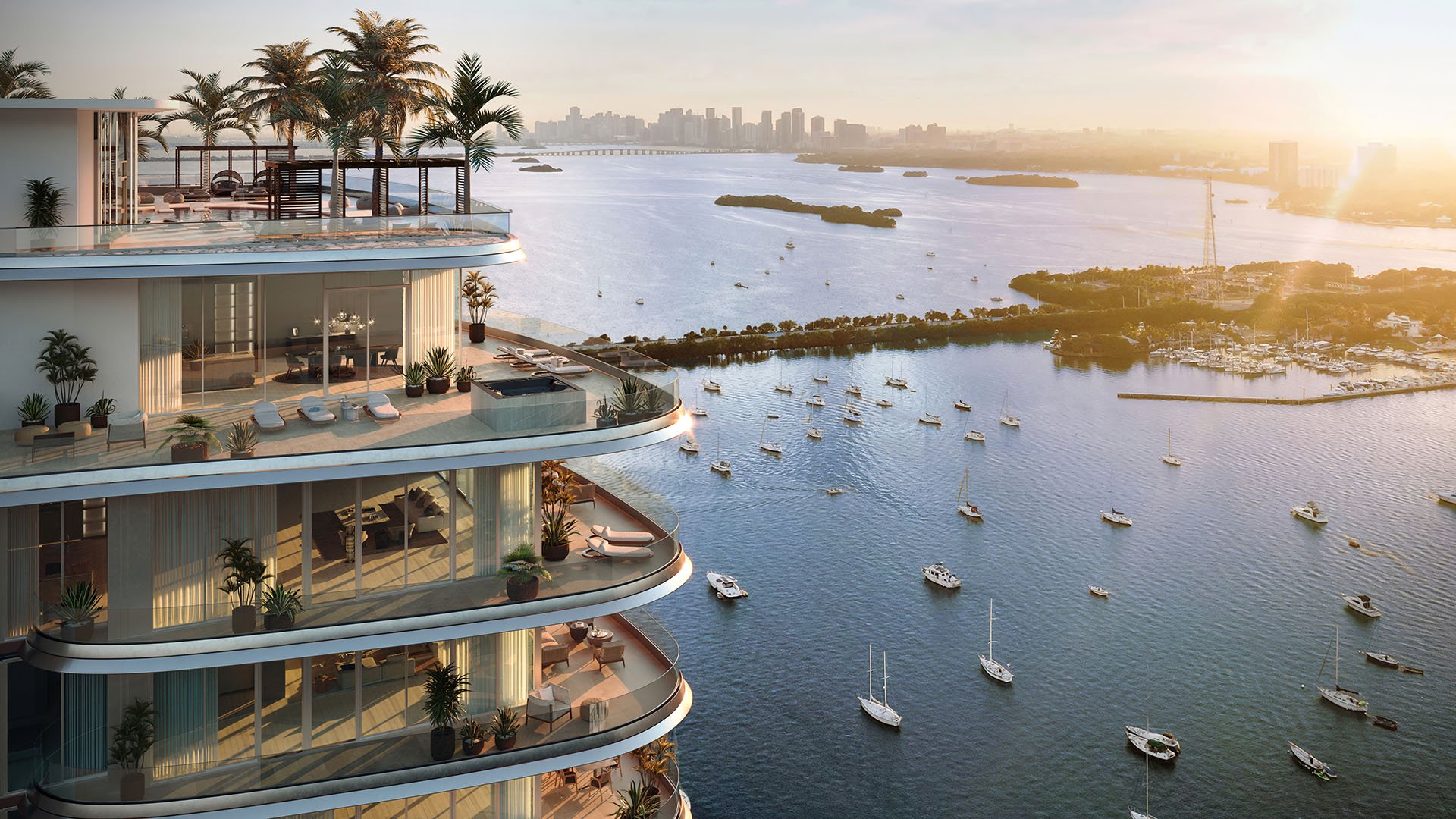
Las Olas has a rare South Florida glamour: walkable, nautical, urbane and quietly residential all at once. For many luxury buyers, the appeal begins with light on the canals, a private dock, a terrace above the water or an effortless evening route to dining and culture. Yet the first serious question should not be about the view. It should be about exposure.
Flood-zone diligence is not a mood killer. It is an act of preservation. In a market where waterfront and near-waterfront settings are central to value, sophisticated buyers treat flood questions as part of the architecture of ownership. The goal is not to avoid water entirely. The goal is to understand how a property meets it, manages it and remains desirable through future ownership cycles.
For a Las Olas purchase, begin by asking for the current flood-zone designation, elevation details, insurance history, drainage context and any available documentation on prior water intrusion. A polished residence can show beautifully in afternoon light while still requiring disciplined review of ground levels, garages, mechanical systems, seawalls and access routes. The most elegant due diligence is direct, calm and early.
Before negotiating finishes, furnishings or closing timelines, ask whether the property sits in a flood zone that may affect insurance, financing or future buyer perception. Then ask how that designation has changed over time, if applicable, and whether the seller has an elevation certificate or comparable documentation available for review.
Next, separate the residence from its surrounding approach. A unit or home may have strong internal protections, while the street, driveway, garage entrance or dock area tells a different story. Ask how water moves during heavy rain, king tides or sustained storm conditions. Ask whether the building or home has pumps, backflow prevention, raised equipment, flood vents or other mitigation features. For condominiums, request clarity on which systems are maintained by the association and which are the owner’s responsibility.
In Las Olas, a water view can be a defining luxury, but water adjacency should never be treated as a purely aesthetic attribute. The buyer’s question is not simply, “Is it beautiful?” It is, “How has this property been designed, maintained and insured in relation to water?”
For high-end buyers, insurance is not just a closing item. It is part of the cost of ownership and, in some cases, part of the property’s liquidity profile. Ask for current premium information, coverage terms, deductibles and any claims history the seller can provide. If the residence is a condominium, ask how the master policy interacts with the owner’s policy and whether association coverage has changed materially.
Timing matters. Insurance conversations should occur while there is still room to adjust offer terms, diligence periods or contract expectations. Waiting until late in the process can turn an elegant acquisition into an anxious one.
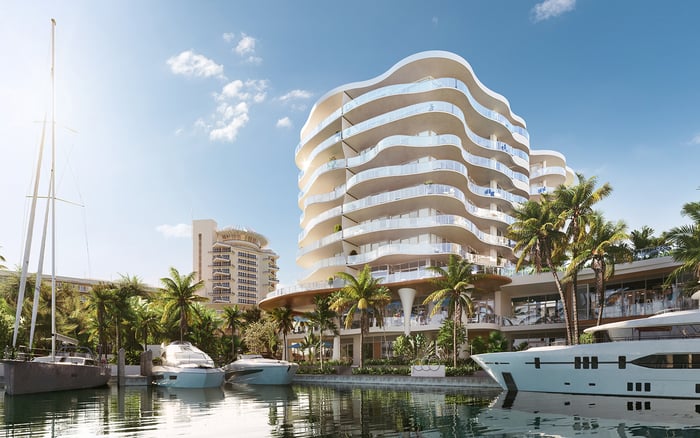
For buyers comparing Las Olas with nearby condominium options, the same insurance discipline applies across Fort Lauderdale. A project such as Four Seasons Hotel & Private Residences Fort Lauderdale may attract buyers for service, design and coastal positioning, but every serious purchaser should still ask how insurance, association reserves and building systems are structured.
Luxury buyers often focus on what is visible: ceiling heights, millwork, stone, appliances, terraces and dockage. Flood resilience often lives in less glamorous places. Ask where the electrical panels, generators, elevators, air-conditioning equipment and life-safety systems are located. Ask whether essential systems are elevated, protected or otherwise designed to reduce vulnerability.
For single-family homes, review the finished floor elevation, garage elevation and any exterior equipment. If the property includes a boat slip or private dock, ask about seawall condition, dock elevation, maintenance responsibilities and any permitting history the seller can disclose. For condominiums, ask how garage levels, lobby entries, loading areas and lower-floor amenities are protected.
A beautiful lobby is not a substitute for a resilient building envelope. A chef’s kitchen is not a substitute for elevated equipment. The best Las Olas properties unite elegance with practical engineering, and the buyer’s task is to verify both.
In condominium acquisitions, the association can be as important as the residence itself. Ask for budgets, reserve information, recent meeting minutes, insurance summaries and any disclosures concerning water management, repairs or planned capital work. The objective is not to find perfection. It is to understand the building’s posture toward maintenance and risk.
Does the association plan ahead, or does it react? Are drainage, waterproofing, roof systems, garage systems and exterior envelope matters treated as routine stewardship? Have owners discussed assessments related to water, insurance or structural maintenance? These questions are especially important in boutique waterfront buildings, where a small owner base may mean each owner has a more visible share of large capital decisions.
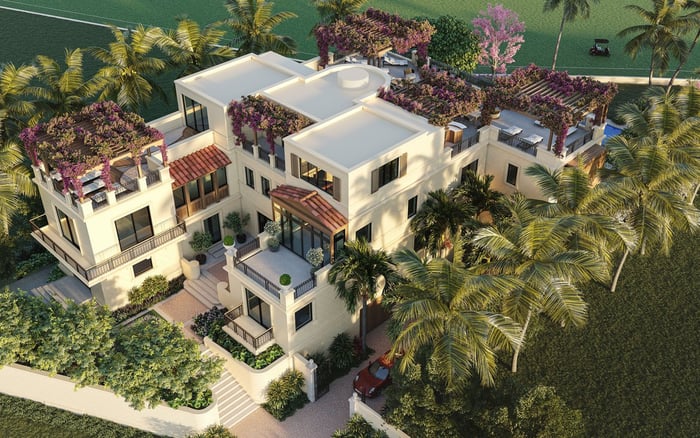
For buyers drawn to riverfront or near-river settings, Riva Residenze Fort Lauderdale offers a useful reminder that lifestyle and due diligence should move together. A refined waterfront address deserves an equally refined review of association obligations.
New construction can offer modern codes, contemporary materials and more recent planning assumptions, but it should still be examined carefully. Ask how the project addresses stormwater, entry elevations, garage protection, emergency power and mechanical placement. Ask which warranties apply and how long they last. Ask whether there are operating estimates for insurance, reserves and maintenance.
Pre-completion buyers should be particularly attentive to what is promised versus what is documented. Renderings can be seductive, but contract exhibits, budgets and building specifications carry more weight. If the project is near water, ask how the development team has approached flood-related design from the site plan upward.
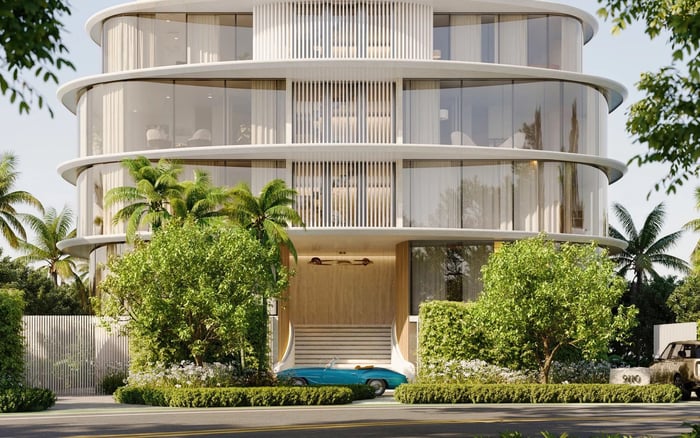
At Sixth & Rio Fort Lauderdale, buyers considering a newer urban waterfront lifestyle should bring the same questions they would bring to a classic Las Olas estate: What is elevated, what is protected, what is insured and what is shared?
Resale properties often provide the advantage of an operating history. That history should be studied. Ask about prior water intrusion, insurance claims, repairs, special assessments, pump performance and any repeated maintenance patterns. A long-held Las Olas residence may have valuable character, mature landscaping and a proven location, but buyers should understand how it has performed through seasonal conditions.
Resale should not imply compromise. It should imply evidence. Existing properties can offer a clearer view of actual ownership costs, association behavior and maintenance patterns than projects still moving from plan to completion. For that reason, the best resale diligence is both forensic and practical.
If the property has been renovated, ask whether improvements included flood-minded changes or were primarily cosmetic. Raised equipment, improved drainage, sealed penetrations and updated openings may matter more over time than a fashionable palette.
Luxury real estate is lived in, but it is also held, transferred and repriced. Flood-zone exposure can influence future negotiations, buyer confidence, insurance availability and the questions a future purchaser will ask. That makes today’s due diligence part of tomorrow’s exit strategy.
For investment-minded buyers, the issue is not simply whether a property can be purchased. It is whether it can be owned with confidence and later presented with clarity. Documentation is valuable. Keep elevation materials, insurance information, maintenance records, association updates and improvement details organized. A future buyer will appreciate precision, especially in a waterfront market.
Comparable luxury choices across the region can sharpen a buyer’s perspective. A coastal residence such as The Ritz-Carlton Residences® Fort Lauderdale may compete for attention with Las Olas homes, but the governing questions remain consistent: What is the exposure, how is it mitigated and how transparent is the ownership picture?
Ask for the flood-zone designation and any available elevation documentation. Ask where mechanical, electrical and emergency systems are placed. Ask about garage, lobby, street and dock exposure. Ask whether the seller has experienced water intrusion or insurance claims. Ask for current insurance details early enough to inform the offer.
For condominiums, review association insurance, reserves, meeting minutes and planned capital projects. For single-family homes, inspect drainage, seawalls, docks, landscape grading and access points. For renovated homes, distinguish between aesthetic upgrades and resilience improvements.
Finally, compare the property’s romance with its records. In Las Olas, the most compelling purchases are not the ones that ignore water. They are the ones that understand it.
What is the first flood-zone question to ask in Las Olas? Ask for the current flood-zone designation and any available elevation documentation before finalizing an offer.
Should insurance be reviewed before or after inspection? Review insurance early, ideally during the diligence period, so premiums, deductibles and coverage terms can inform negotiations.
Does a higher-floor condominium remove flood concerns? Not entirely. Building systems, garages, lobbies, elevators and association insurance can still be affected by water exposure.
What should I ask about mechanical systems? Ask where electrical, HVAC, generator and elevator systems are located and whether they are elevated or otherwise protected.
Are waterfront homes always riskier than inland homes? Not automatically. The key is how the property is elevated, drained, maintained, insured and documented.
Why do association documents matter for flood exposure? They can reveal insurance structure, reserves, planned repairs and how the building approaches long-term maintenance.
What should I ask if the property has a dock? Ask about seawall condition, dock maintenance, elevation, permitting history and responsibility for future repairs.
Can new construction still have flood-zone issues? Yes. Newer design may help, but buyers should still verify site planning, garage protection and mechanical placement.
How does flood exposure affect resale value? Clear documentation, resilient design and manageable insurance can support buyer confidence when it is time to sell.
What is the best way to shortlist comparable options for touring? Start with location fit, delivery status, and daily lifestyle priorities, then compare stacks and elevations to validate views and privacy.
For a tailored shortlist and next-step guidance, connect with MILLION.
If branded residences are on your mind — as a home or as an allocation — we would be glad to share what we are seeing, privately.
Begin a quiet conversation