For a family office considering a move from Madrid to Key Biscayne, condominium diligence should connect governing documents, structural inspections, reserve projections, and insurance history before a purchase decision.
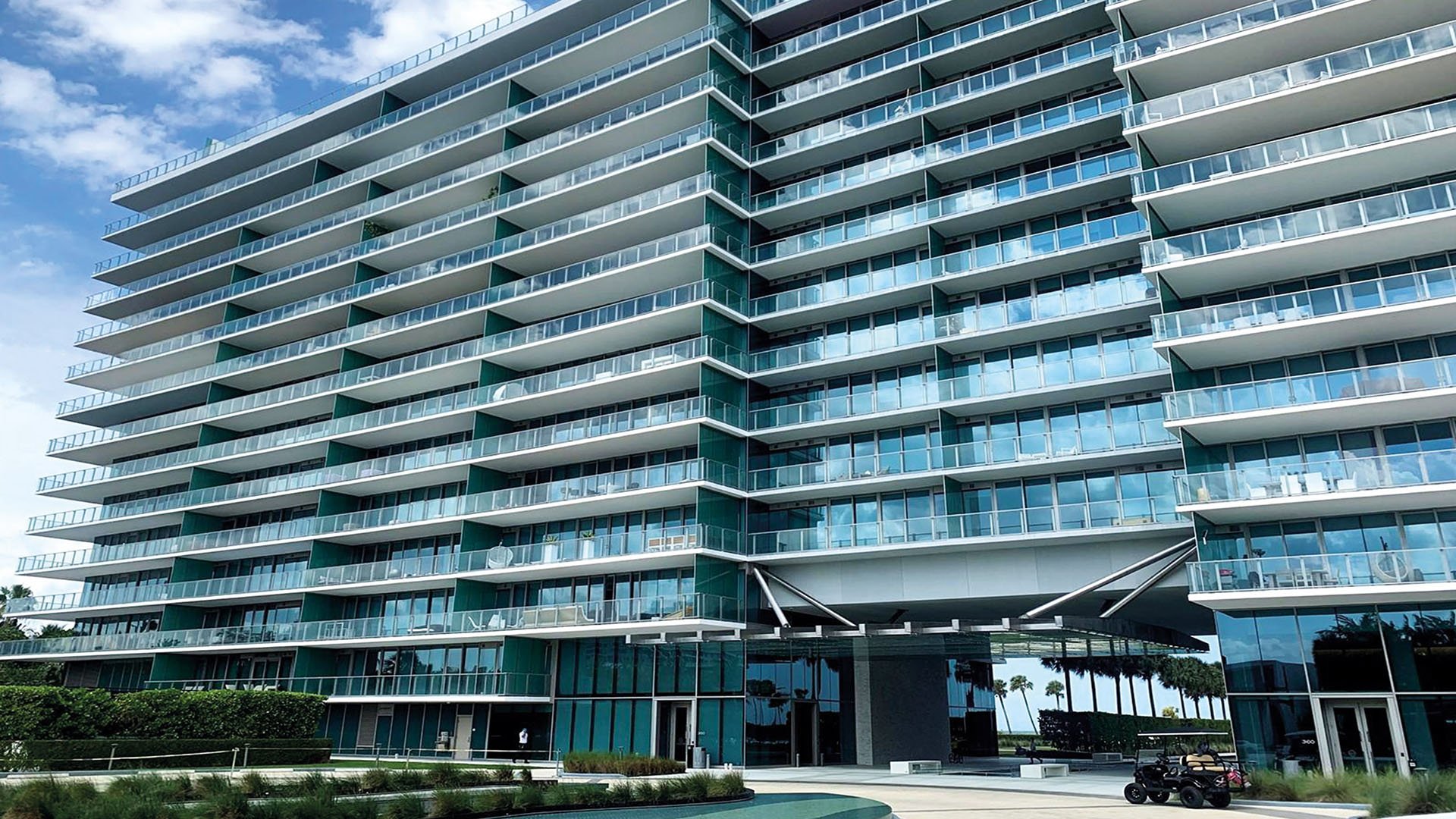
For a family office considering a move from Madrid to Key Biscayne, the residence is only one part of the acquisition. Equally important is the association responsible for the building’s shared obligations. Interiors can satisfy a brief immediately; structural maintenance, reserve contributions, and insurance arrangements demand a longer horizon.
Treat this as a prospective relocation framework, not a prescription for cross-border ownership. Spanish and U.S. legal and tax advisers should evaluate the family’s circumstances separately from the property review. Neither an attractive apartment nor a well-organized association establishes the right ownership structure.
At Oceana Key Biscayne, as at any condominium under consideration, begin with a building-specific document request. A project name or island address cannot establish inspection compliance, reserve adequacy, or insurance quality. The objective is to connect condition, funding, and governance before deciding what the residence is worth to the family.
Review the declaration, bylaws, rules, and amendments together, alongside meeting minutes, budgets, financial statements, reserve information, and association insurance policies. Applicable structural-inspection reports and reserve studies form part of the association’s official records and are important purchaser-disclosure materials.
Reading these documents in isolation can obscure the central question: do the association’s decisions and financial commitments reflect the building’s needs? Consider each budget line alongside the work it supports. Follow discussions in meeting minutes through to any subsequent approval, funding decision, or documented completion.
Ask the reviewing team to maintain a short schedule of unresolved questions, identifying a responsible adviser and the evidence requested for each. Distinguish documents received from conclusions reached. Receiving an engineering document does not establish that its recommendations have been implemented; receiving a policy does not establish that its coverage meets the buyer’s expectations.
Florida requires qualifying residential condominium and cooperative buildings with at least three habitable stories to undergo milestone inspections at the applicable statutory age threshold. Inspections generally recur every 10 years after the initial required inspection.
Confirm the certificate-of-occupancy date, habitable-story count, and applicable inspection deadline for the specific building. Do not assume that a Key Biscayne address automatically establishes a particular age trigger. Both the applicable statutory framework and the local enforcement determination require building-level confirmation.
A milestone inspection assesses structural condition and safety. Its initial visual assessment is not a comprehensive engineering investigation or a guarantee against future repairs. Obtain the complete milestone report and any Phase Two findings or recommendations rather than relying on a statement that the building passed.
Where necessary repairs have been identified, request the documented scope and follow-up status. Ask the technical adviser to distinguish completed work from outstanding recommendations and questions requiring further investigation. For the investment decision, report delivery is not the endpoint; a clear understanding of the remaining obligation is.
A Structural Integrity Reserve Study, or SIRS, estimates future maintenance, repair, and replacement costs for covered common elements. It serves a different purpose from a milestone inspection: the study addresses reserve planning, while the inspection assesses structural condition and safety.
Associations subject to SIRS requirements must complete the study at least every 10 years after the condominium’s creation. Its calculations consider covered components’ estimated remaining useful lives and replacement costs. Compare actual reserve balances and planned contributions with those projections. A large balance alone is not proof of adequate funding.
If the search extends to Park Grove Coconut Grove, apply the same comparison framework. This is not a statement about any particular association’s finances. It is a way to keep the decision disciplined: assess available funds against projected obligations, their timing, and the contributions contemplated in the budget.
Ask the financial reviewer to explain material differences between the study and the association’s current plan in plain language.
Governing documents are not the final word on reserve flexibility. Statutory SIRS funding restrictions limit owners’ ability to waive or underfund covered reserves. Any proposed reliance on a waiver requires association-specific legal review, not reassurance drawn solely from the bylaws.
Timing also warrants precision. Associations required to complete a milestone inspection on or before December 31, 2026, may complete their SIRS simultaneously, but the combined work must be completed by that date. This provision is not a universal extension for every association.
Likewise, January 1, 2026, should not be treated as a universal reserve-funding deadline. Applicable budget years, transition provisions, and permitted exceptions require individual review. Have counsel identify the association’s applicable requirements, then have the financial adviser connect them to its adopted budget and planned contributions.
Insurance diligence should be evidence-led. Request current association policies, relevant endorsements, available loss runs, open-claim information, renewal notices, and premium history. These are recommended review materials, not an indication that any particular building has coverage difficulties or a prescribed statutory lookback.
Ask an insurance adviser to explain limits, deductibles, exclusions, and the relationship between association coverage and the family’s proposed unit-level protection. Read historical premiums alongside changes in coverage and terms, not as an isolated trend.
For a Brickell alternative such as Una Residences Brickell, apply the same discipline without assuming that another location has equivalent exposures or policy terms. Base comparisons on the actual documents for each candidate.
The question is not simply whether insurance exists. It is whether the reviewing team can explain what is covered, what remains outside the policy, and which uncertainties still need resolution.
Before committing, consolidate the legal, engineering, financial, and insurance reviews into one decision memorandum. Separate confirmed obligations from unresolved questions and potential future expenditures. Where contract protections are appropriate, ask transaction counsel to draft them for the specific purchase; suggested review conditions are not universal statutory requirements.
For the Madrid-based family, this approach preserves an important distinction between selecting a home and accepting its shared financial obligations. The preferred residence should satisfy the personal brief and withstand a defensible assessment of the building behind it. Discretion and architectural appeal remain part of the decision, but neither substitutes for documented follow-through.
For a discreet conversation about your South Florida residential search, connect with MILLION.
If branded residences are on your mind — as a home or as an allocation — we would be glad to share what we are seeing, privately.
Begin a quiet conversationQualifying residential condominium and cooperative buildings with at least three habitable stories must undergo inspections at the applicable statutory age threshold. Confirm the deadline for the specific building.
They generally recur every 10 years after the initial required inspection.
No. Review the certificate-of-occupancy date, habitable-story count, applicable statute, and local enforcement determination rather than inferring a deadline from the address.
No. The initial visual assessment is not a comprehensive engineering investigation or a guarantee against future repairs.
A SIRS estimates future costs for covered common elements using remaining useful lives and replacement costs. A milestone inspection assesses structural condition and safety.
Compare actual balances and planned contributions with the SIRS projections. A large reserve balance alone does not demonstrate adequate funding.
Not by themselves. Statutory SIRS funding restrictions limit waiver and underfunding options, so association-specific legal review is appropriate.
Associations required to complete a milestone inspection on or before December 31, 2026, may complete their SIRS simultaneously. The combined work must be completed by that date.
Recommended materials include current policies, endorsements, available loss runs, open-claim information, renewal notices, and premium history. These requests do not imply a coverage problem at any particular association.
No. Spanish and U.S. legal and tax advisers should evaluate the family’s circumstances separately from the building review.