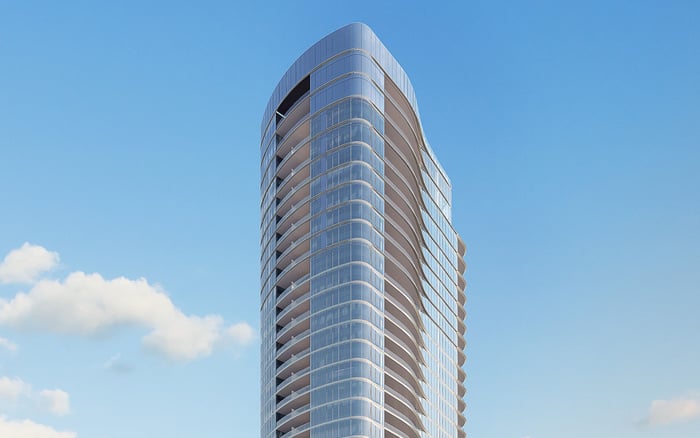
A disciplined framework for coordinating a Hong Kong property sale with a Brickell residence purchase, balancing bridge liquidity, permanent financing, and the documentation needed to close.
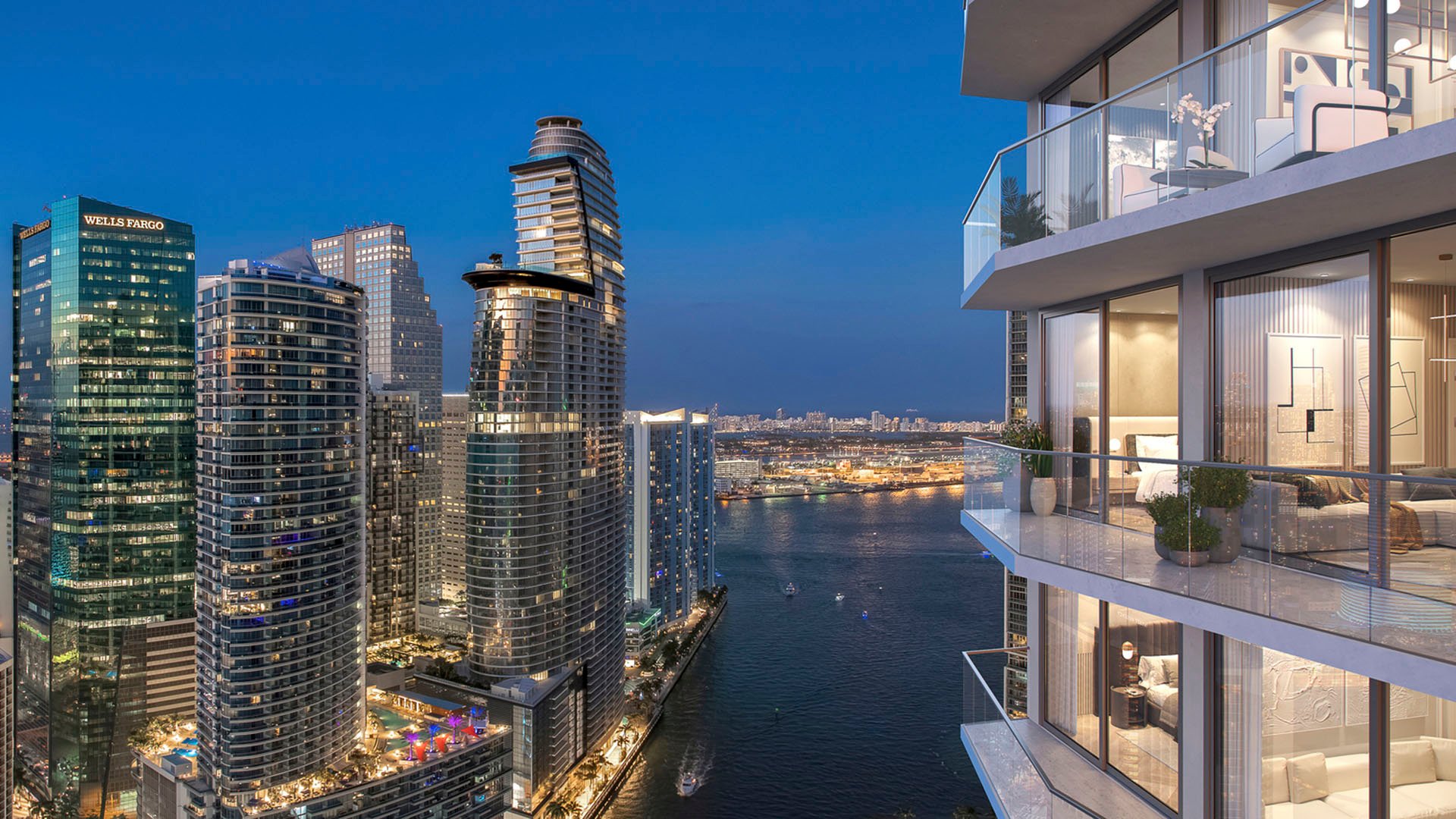
For a family office coordinating a move from Hong Kong to Brickell, the residence search and capital plan should advance together. The central question is not simply which home to acquire, but which funds will be available, documented, and acceptable when the purchase requires them. A prospective sale is not spendable liquidity; a financing discussion is not funded credit.
Whether the shortlist includes 2200 Brickell or another residence, prepare proof of funds or mortgage pre-approval before making an offer. Cash buyers generally use a bank statement or bank-issued verification letter; financed buyers typically provide lender pre-approval. These documents establish an opening position. They do not replace the work required to close.
The objective is to align the Hong Kong sale, the Miami contract, and the funding route without assuming that any two will complete simultaneously.
Selling first creates a straightforward sequence: complete the existing-property sale, establish the resulting liquidity, then deploy it toward the purchase. The appeal is visibility. The family office can evaluate the acquisition against available cash rather than projected proceeds.
The practical question is when those proceeds become usable for the Miami transaction. Do not build an offer around an assumed Hong Kong completion period or a guaranteed cross-border transfer window. Instead, have the advisers handling the sale, banking, and purchase identify the milestones that must be met before the closing agent can receive the required funds.
For a residence under consideration at The Residences at 1428 Brickell, the exercise is contractual: map each payment obligation to confirmed liquidity. Do not apply a generic resale closing estimate to a different acquisition structure without reviewing its actual terms.
Selling first may reduce dependence on interim borrowing, but it is not universally the safest sequence. The appropriate choice depends on the family's liquidity and contractual commitments.
A residential bridge loan can finance the new condominium purchase before the existing property sells, with repayment following that sale. Indicative terms can run approximately 6-18 months, with security based on equity in the existing property. This structure separates the purchase date from the sale date, but replaces that timing dependency with a credit obligation.
For a Hong Kong owner, collateral eligibility is the decisive early question. Do not assume a Miami lender will accept Hong Kong real estate as security. Confirm the eligible collateral, borrowing entity, required documentation, and proposed repayment structure before treating the bridge as executable.
Bridge funding should not be treated as immediate. An indicative application-to-closing period is 21-30 days, and asset verification can include proof of acquisition funds and reserves for carrying costs. That timetable may matter when negotiating a short purchase closing.
Before proceeding, ask how the family office would carry both properties if the sale completed later than expected. Evaluate the bridge against a workable repayment plan, not merely its ability to make an offer possible.
Permanent financing is an alternative structure, not simply a slower version of a cash purchase. Domestic financed purchases commonly take approximately 30-45 days; foreign-national financed purchases may require 45-60 days. These are planning ranges, not promises. The transaction's underwriting and documentation needs remain decisive.
Foreign-national underwriting may require passports, entity documents, financial statements, evidence of income or assets, and supporting bank records. A family office should establish the proposed purchaser and borrower early enough for the lender to assess the relevant documentation.
Some programs contemplate 25%-35% down payments and 6-12 months of principal, interest, taxes, and insurance reserves in a U.S. FDIC-insured bank account. Some arrangements also require U.S. funds to be seasoned for 30-60 days before closing. None of these figures is a universal lending rule.
When evaluating Cipriani Residences Brickell, ask the prospective lender to confirm the applicable equity, reserve, and seasoning requirements before negotiating dates. Funding an account and satisfying a seasoning requirement are separate milestones.
Proof of funds answers whether money is available. Source-of-funds documentation explains its origin. A statement showing a sufficient balance does not, by itself, answer both questions.
Buyers should expect requests for bank statements and documentation explaining where the money came from, sometimes including letters from foreign financial institutions. Where the acquisition depends on sale proceeds, ask the transaction team which records it needs to connect those proceeds to the funds designated for closing.
For family-office planning, organize the file around the proposed buyer, the account holding the acquisition money, and the lender's or closing team's documentation requests. Resolve questions about entity records and financial evidence before the deadline becomes urgent.
The distinction matters even for a cash offer. Cash can remove a mortgage-financing contingency and reduce one potential obstacle to closing. It does not eliminate title, inspection, condominium-documentation, or funds-documentation requirements.
Miami-Dade cash purchases commonly close in approximately 15-30 days, subject to transaction requirements. Inspection periods are commonly around 10-15 days, although the signed contract sets the actual deadline. Use these ranges to guide preparation, not to override negotiated obligations.
For a prospective purchase at Una Residences Brickell, build the calendar from the actual contract rather than the property's name or the buyer's preferred pace. Identify inspection deadlines, required condominium documentation, financing milestones, and the date funds must reach the closing agent.
The buyer or lender must wire the funds needed to complete the purchase before or on closing day. For financed residential transactions subject to TRID, confirm the applicable Closing Disclosure timing with the lender and include it in the financing calendar.
If the buyer will not attend the loan closing, arrange a mail-away closing well in advance. Execution arrangements should not become a closing-day problem.
Sell first, bridge first, and permanent financing each solve a different liquidity problem. The disciplined choice is the one supported by confirmed funds, acceptable documentation, and a realistic contractual timetable.
Before authorizing an offer, ask three questions: what money is available now, what still depends on another event, and what happens if that event is delayed? For a family office, preserving flexibility means distinguishing those answers before committing to a closing date.
Explore Brickell residences with MILLION to align your property search with a considered acquisition plan.
If branded residences are on your mind — as a home or as an allocation — we would be glad to share what we are seeing, privately.
Begin a quiet conversationPrepare proof of funds or mortgage pre-approval before making an offer. Cash buyers generally use a bank statement or bank-issued verification letter.
No. Proof of funds demonstrates available money, while source-of-funds documentation explains its origin.
Cash purchases commonly close in approximately 15–30 days, subject to title, inspection, condominium documentation, and other transaction requirements.
Foreign-national financed purchases may require approximately 45–60 days. Actual timing depends on underwriting and transaction requirements.
A residential bridge loan can finance the new purchase before the existing property sells, with repayment following that sale. Eligibility and terms must be confirmed with the lender.
Do not assume it will. Confirm the lender's eligible collateral before relying on a bridge structure.
Not necessarily; an indicative application-to-closing period is 21–30 days. Asset verification can also require proof of acquisition funds and carrying-cost reserves.
Some programs contemplate 25%–35% down and 6–12 months of principal, interest, taxes, and insurance reserves. These are program-dependent figures, not universal requirements.
Yes. Some foreign-buyer financing arrangements require U.S. funds to be seasoned for 30–60 days before closing, so the applicable rule should be confirmed early.
Arrange a mail-away closing well in advance if not attending. Confirm the funding deadline with the closing agent and any applicable Closing Disclosure timing with the lender.

.jpg&width=700&height=438&fit=cover)