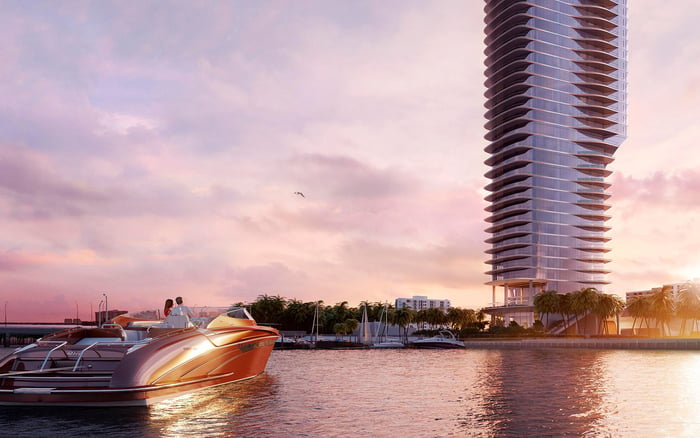
For a family office establishing a Miami residence, hurricane readiness belongs in acquisition due diligence. A disciplined review should address backup-power scope, lawful emergency access, local permitting, and the approvals needed before repairing storm damage.

For a family office planning a move from Dubai to Miami, the residence warrants two parallel evaluations: how it supports daily life and how it functions when normal services are interrupted. The first concerns privacy, architecture, and setting. The second concerns decision-making authority, electrical resilience, access, and the conditions for a safe return after a storm.
This is a property-planning exercise, not a comparison of the two cities’ regulations. Miami’s hurricane season runs from June 1 through November 30. That calendar should shape acquisition diligence and annual household preparation, particularly when principals travel and local staff must act without waiting for instructions across time zones.
The most useful deliverable is a property-specific operating file. As a practical recommendation, it should bring together contacts, relevant permits, equipment records, access procedures, and approval responsibilities. A polished address cannot substitute for a documented continuity plan.
Before commissioning improvements, establish which authority governs the property and which installation requirements apply. Requirements for unincorporated Miami-Dade are not a universal rulebook for every municipality, condominium, or estate. Structural review and application categories can differ between residential and commercial installations.
For a Brickell search that includes Una Residences Brickell, request the relevant building documentation and proposed household responsibilities rather than inferring resilience from the address. The question is not simply whether equipment exists, but who controls it, what it serves, and how its condition is documented. No project-specific backup capability is established here.
The family office should also designate a local decision-maker and an alternate. Written spending authority, contractor contacts, and an agreed communication sequence are prudent operating arrangements, not legal requirements established by the readiness rules. Their purpose is to prevent avoidable delays while maintaining clear accountability.
“Generator” is not a complete specification. For acquisition purposes, request a written protected-load schedule identifying which systems receive backup power. Ask separately about household refrigeration, communications, selected outlets, cooling, lifts, pumps, and access controls. These are diligence questions, not assertions that every residence or building provides backup power for those functions.
The distinction is especially important when comparing private-residence needs with building-level services. For a Miami Beach candidate such as The Perigon Miami Beach, seek written clarification of any proposed or installed backup arrangement, including its exclusions. Do not infer whole-residence coverage, fuel runtime, or uninterrupted comfort from general resilience language.
A useful technical review should connect the protected loads to the equipment configuration, fuel arrangements, and maintenance records. Request the assumptions behind any runtime estimate, including the demand being served. Examine refueling arrangements without treating them as a guarantee of delivery during disruption.
For a private home, distinguish temporary equipment from an installed system. Under applicable Miami-Dade rules, a portable generator supplying a few directly connected appliances or lights does not require a building permit. Connecting it to building wiring requires an electrical permit for a transfer or similar device designed to prevent unsafe backfeeding. A permanently installed exterior generator requires permitting that addresses installation, fuel, electrical work, and applicable code requirements; professionally prepared plans and multiple reviews may be necessary.
Generator diligence extends beyond capacity. Applicable requirements address exhaust separation, flood elevation, and emergency shutoffs. A 10-foot exhaust separation from building openings applies to certain installations, but it is not a universal placement instruction for every generator. A qualified installation professional should establish the requirements for the specific equipment and property.
Generator equipment, remote fill ports, and tank components must satisfy applicable flood-elevation requirements. Where portions sit below the required elevation, the applicable provisions require demonstrated resistance to floodwater and hydrostatic, hydrodynamic, and buoyancy forces. Ask the technical team to explain how the permitted installation addresses those conditions.
Portable generators belong outdoors, away from openings-never in garages or other enclosed or partially enclosed spaces. Direct appliance connection does not eliminate the carbon-monoxide hazard or make an unsuitable location acceptable.
For ongoing stewardship, a maintenance contract and at least one scheduled service visit annually, such as before hurricane season, are recommended. Above-ground fuel tanks, pipes, and valves should be inspected regularly for cracks or leaks, with damaged materials replaced immediately. Keep the service record accessible to the person authorized to arrange corrective work.
Emergency access has two distinct meanings: responders reaching critical equipment and owners or staff reaching the residence. Applicable generator permitting provisions call for a visibly marked emergency shutoff that approaching emergency personnel can readily access, with the required separation from the generator. Have the installation professional confirm that arrangement.
Household access is a separate operational matter. Consider documenting authorized keyholders, management contacts, and an approved alternative to a single electronic credential. These are suggested continuity practices, not special rights of entry. Ownership, employment by a family office, or a contractor appointment should never be treated as permission to disregard evacuation or reentry restrictions.
For a Coconut Grove search that includes Vita at Grove Isle, request the property's access procedures and clarify who communicates changes. The same discipline applies in any setting: an access plan must remain subordinate to official restrictions and safe conditions.
Readiness extends to the objects outside the residence. During a severe-weather advisory affecting Miami-Dade, best efforts must be made to secure exposed outdoor furniture, materials, and similar loose objects.
As a practical extension, assign responsibility for terraces and exterior storage before the household departs. Agree who authorizes preparation, who performs it, and how completion is confirmed. This matters when the family office, household staff, and building management have different responsibilities. An instruction to “prepare the property” is less useful than an agreed scope.
After severe-weather winds, the Building Official may investigate whether buildings or other structures sustained damage. Damaged, collapsed, or out-of-plumb structures should not be repaired, altered, or restored to position without inspection and approval by the Building Official. Contractor availability is not a substitute for that approval.
A recommended recovery protocol should therefore distinguish condition documentation, professional assessment, required official approvals, and authorized restoration. Staff should not enter unsafe areas to produce photographs or accelerate the family’s return. Ask qualified professionals to determine what assessment is appropriate before affected equipment is restarted.
For the family office, the final decision is not simply when someone can reach the property, but when access, condition, and necessary approvals support the intended use. That distinction turns hurricane preparation from an annual checklist into disciplined residential stewardship.
For a considered approach to your Miami residential search, connect with MILLION.
If branded residences are on your mind — as a home or as an allocation — we would be glad to share what we are seeing, privately.
Begin a quiet conversationHurricane season runs from June 1 through November 30. Use that window to organize annual property preparation and pre-season equipment service.
Request relevant permits, equipment and maintenance records, documented backup-power scope, and access procedures. A property-specific operating file is a recommended way to organize those materials.
No such assumption is warranted. Request a written protected-load schedule and clarify exclusions and any runtime assumptions for the particular property.
Under applicable Miami-Dade rules, supplying a few directly connected appliances or lights does not require a building permit. Connection to building wiring requires an electrical permit for a transfer or similar safety device.
Permitting addresses installation, fuel source, electrical work, and applicable building-code requirements. The application may require professionally prepared plans and multiple agency reviews.
No; a 10-foot separation from building openings applies to certain installations, not every generator. A qualified installation professional should establish the requirements for the specific equipment and jurisdiction.
No. Portable generators must operate outdoors, away from openings, and not in enclosed or partially enclosed spaces because of carbon-monoxide risk.
A maintenance contract and at least one scheduled service visit annually, such as before hurricane season, are recommended. Above-ground fuel tanks, pipes, and valves also warrant regular inspection for cracks or leaks.
An employment relationship or ownership authorization should not be treated as an exemption from evacuation or reentry restrictions. Staff access arrangements must remain subject to official restrictions and safe conditions.
Damaged, collapsed, or out-of-plumb structures should not be repaired, altered, or restored to position without inspection and approval by the Building Official.