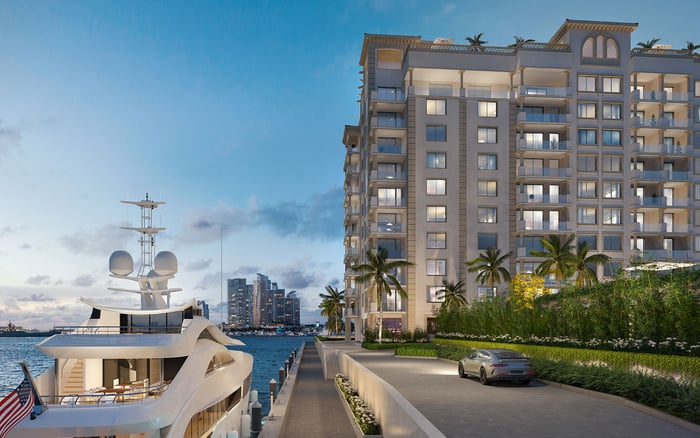
For a family office coordinating a Dallas-to-Bay Harbor Islands residential move, closing discipline means separating acquisition cash from reserves, binding appropriate insurance, reviewing title and association exposure, and confirming the actual limits of financing protections.
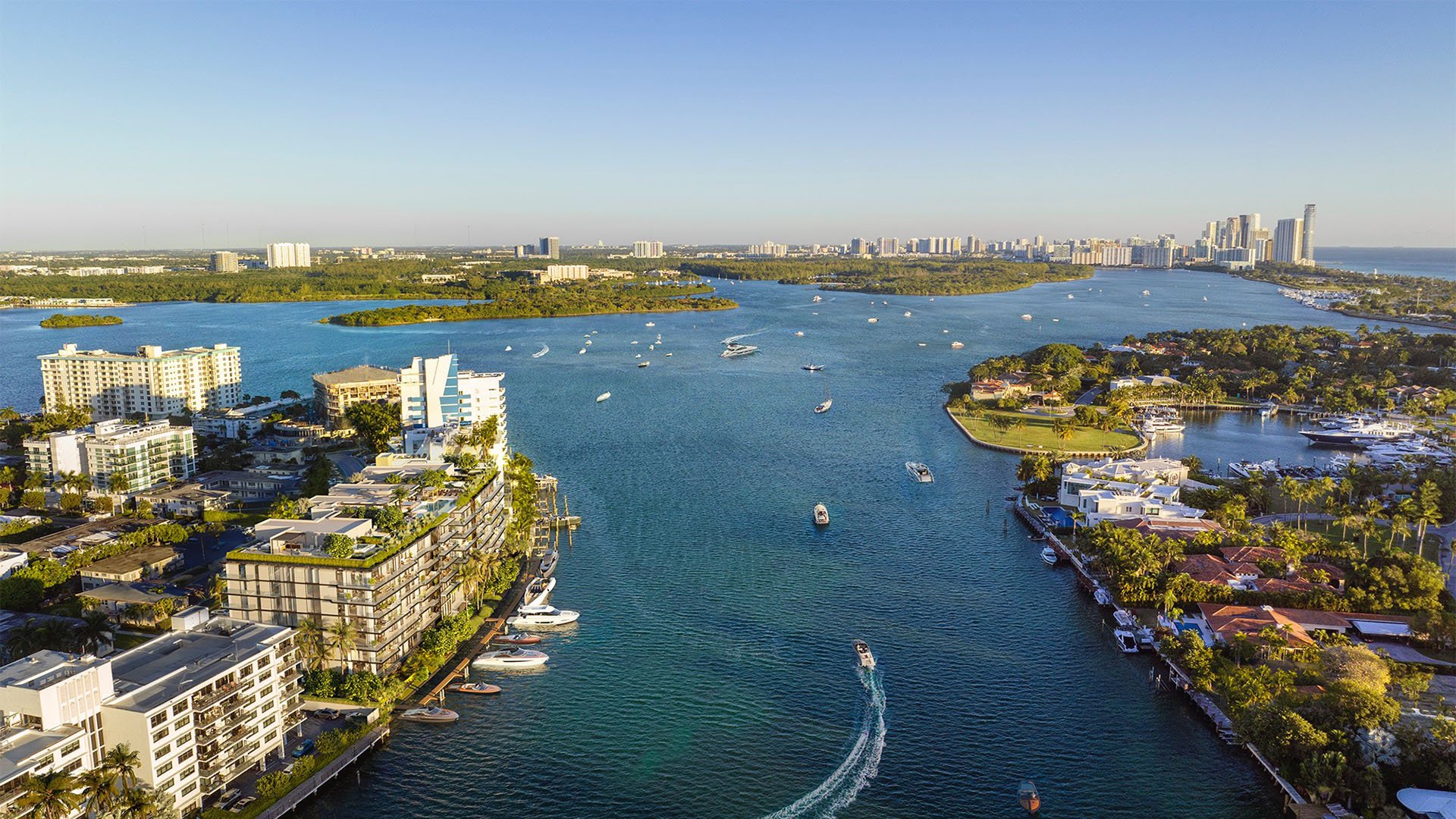
For a family office coordinating a residential move from Dallas to Bay Harbor Islands, the decisive work begins before funds are released. A residence may satisfy the family's preferences yet still demand careful coordination among counsel, the lender, the insurance adviser and the closing agent. The objective is a purchase with cash requirements and unresolved conditions understood in advance.
This is a planning scenario, not an account of a particular family's acquisition. Whether the shortlist includes Alana Bay Harbor Islands or extends to Miami Beach, the family office should maintain one transaction file and a clear allocation of responsibility. Closing liquidity, insurance, title and financing each warrant separate review, followed by a final reconciliation.
The down payment is only one component of acquisition cash. Budget separately for title charges, lender fees, recording, appraisal, any applicable survey, prepaid interest, taxes, insurance premiums, escrow deposits and association charges. Ask the closing agent to distinguish amounts payable at settlement from expenses already paid to avoid double-counting in the funding schedule.
For a luxury acquisition, replace any generic percentage allowance with an itemized estimate reflecting the contract, financing structure, tax treatment and insurance terms.
A useful internal discipline is to maintain three allocations: purchase equity, closing expenses and a post-closing liquidity reserve. The third is a discretionary planning recommendation, not a prescribed lender requirement. Size it after reviewing insurance deductibles, association finances and potential assessments-not by applying an unsupported universal percentage.
For a residence under consideration at Bay Harbor Towers, request the same transaction-level breakdown. A project name does not establish which expenses belong to the buyer or how much cash the purchase will require.
Miami-Dade's base deed documentary stamp tax is generally $0.60 for each $100 of consideration. Transactions classified as non-single-family can also attract a deed surtax of $0.45 for each $100, subject to classification and applicable exceptions. Have the closing professional confirm the treatment of the actual conveyance rather than assuming one rate applies to every residence.
Sellers customarily pay deed documentary stamp tax, but the purchase contract can allocate that expense to the buyer. Verify both the calculation and the contractual payer before approving the closing reserve.
Financing brings separate charges. Mortgage documentary stamp tax is generally $0.35 for each $100 of the loan amount, typically a buyer expense. Florida's nonrecurring intangible tax on obligations secured by Florida real estate is commonly budgeted at 0.2% of the mortgage amount. Keep these line items separate from deed taxes so the borrowing decision and the contract's allocation of conveyance expenses remain clear.
Seek insurance indications early, then arrange to bind coverage for closing. For a condominium purchase, the unit-owner HO-6 policy should take effect when the buyer takes title. A preliminary premium indication is not confirmation that coverage is in force.
Review the unit policy alongside the association's master policy. HO-6 coverage does not replace the master policy. The review should address interior-finish responsibility, deductibles, contents, liability, loss assessments and exclusions. Request the association's insurance certificate, master-policy declarations, renewal terms and any cancellation or nonrenewal notices, plus claims history where available.
A buyer evaluating Onda Bay Harbor should follow this document-led approach without assumptions about the property's current coverage. Ask the insurance adviser to explain how the proposed unit policy relates to the association's insurance and to identify unresolved gaps before closing.
Check flood coverage separately. Do not assume that a unit-owner policy or the lender's minimum requirements address the family's full flood exposure. The question is not merely whether a policy satisfies financing conditions, but whether the combined coverage provides the buyer's intended protection.
Lender's title insurance protects the lender's financial interest; it does not replace the buyer's owner's title policy. Florida owner's title premiums follow a state-promulgated schedule. Obtain a complete tiered quotation rather than extending the first coverage tier across a multimillion-dollar purchase. Purchasing owner's and lender's policies together may qualify for simultaneous-issue pricing that reduces the incremental lender-policy premium.
Ask counsel to review the title commitment and explain its requirements, exceptions and matters needing resolution. Keep that work distinct from association diligence. Ownership and lien review alone cannot answer questions about a condominium's operating finances or future building expenditures.
Request governing documents, budgets, financial statements, meeting minutes, litigation information and pending assessments. Also request available milestone-inspection documentation, Structural Integrity Reserve Studies, repair plans, reserve schedules and special-assessment notices. These materials help define building-level financial exposure without relying on a blanket inspection-age rule or an assumed deadline.
If The Well Bay Harbor Islands is under consideration, let the documents available for that transaction guide the next questions. The project reference makes no representation about insurance, reserves, assessments or lender eligibility.
Do not treat financing protections as automatic. Ask counsel to identify the actual approval deadlines, notice requirements, appraisal provisions and any termination rights in the signed agreement. Expecting financing to be available is no substitute for knowing what the contract permits if it is not.
The lender should separately confirm outstanding approval conditions and required documentation. If the proposed borrower or titleholder is an LLC or trust, obtain transaction-specific confirmation of the structure and requirements rather than assuming the arrangement is acceptable.
A practical tracking sheet should record each condition, the adviser responsible, the contractual deadline where applicable and the evidence needed to resolve it. Track appraisal questions, insurance acceptance, title requirements and any association-related lender questions as separate items. This is an organizational recommendation, not a statement that every loan carries identical conditions or protections.
Before authorizing funding, request an updated cash-to-close statement, confirmation of bound insurance with the correct effective date, counsel's title review and the lender's status on remaining conditions. Reconcile association charges and known assessment obligations with the purchase agreement and closing statement.
Return each unresolved point to the professional responsible for it; do not let it disappear into a general assurance that the transaction is progressing. For the family office, a well-managed relocation preserves clarity through the final transfer of funds and into ownership.
For a discreet conversation about your Bay Harbor Islands residential search, connect with MILLION.
If branded residences are on your mind — as a home or as an allocation — we would be glad to share what we are seeing, privately.
Begin a quiet conversationYes. Allow separately for title, financing and recording charges, applicable taxes, insurance, prepaid items, escrow deposits and association charges.
No. Replace it with transaction-specific title, financing, tax and insurance estimates before finalizing the funding plan.
The base rate is generally $0.60 for each $100 of consideration. A further $0.45-for-each-$100 surtax can apply to transactions classified as non-single-family, subject to classification and exceptions.
Sellers customarily pay it, but the purchase contract can shift the expense to the buyer. Confirm the allocation in the actual agreement.
Mortgage documentary stamp tax is generally $0.35 for each $100 of the loan amount. The nonrecurring intangible tax is commonly budgeted at 0.2% of the mortgage amount.
Seek indications early and bind coverage for closing. The buyer's HO-6 coverage should be effective when the buyer takes title.
No. Review the unit and master policies together, and check flood coverage separately rather than assuming the unit policy or lender requirements provide complete protection.
It protects the lender's financial interest and does not replace an owner's policy. Request a complete tiered quote and ask whether simultaneous-issue pricing is available.
Request governing documents, financials, budgets, minutes, litigation information and assessment notices. Include available milestone-inspection documentation, Structural Integrity Reserve Studies, repair plans and reserve schedules.
No. Counsel should confirm the agreement's actual protections, deadlines and notice requirements, while the lender confirms approval conditions and any LLC or trust requirements.