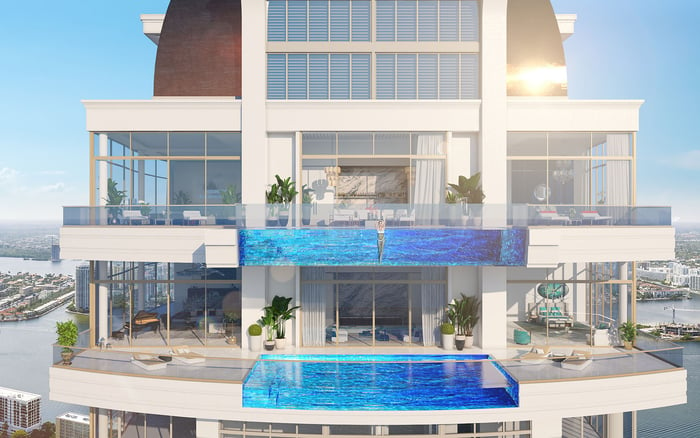
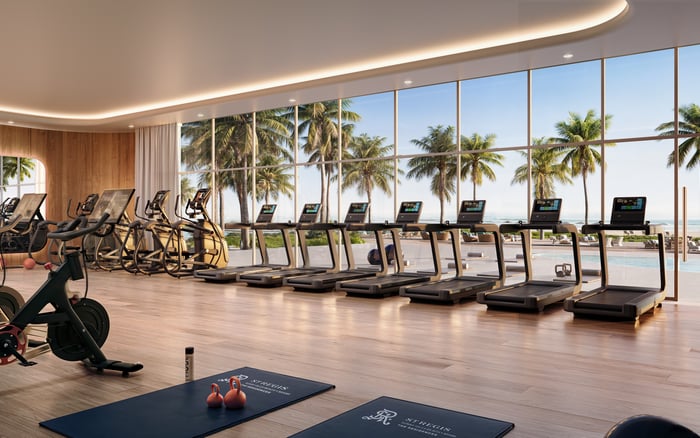
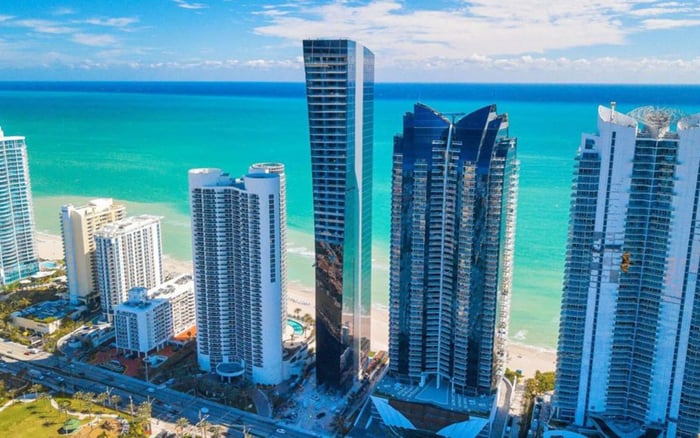
A buyer-focused look at why balcony-use rules can support privacy, design discipline, neighbor comfort, and long-term value in ultra-luxury Sunny Isles living.
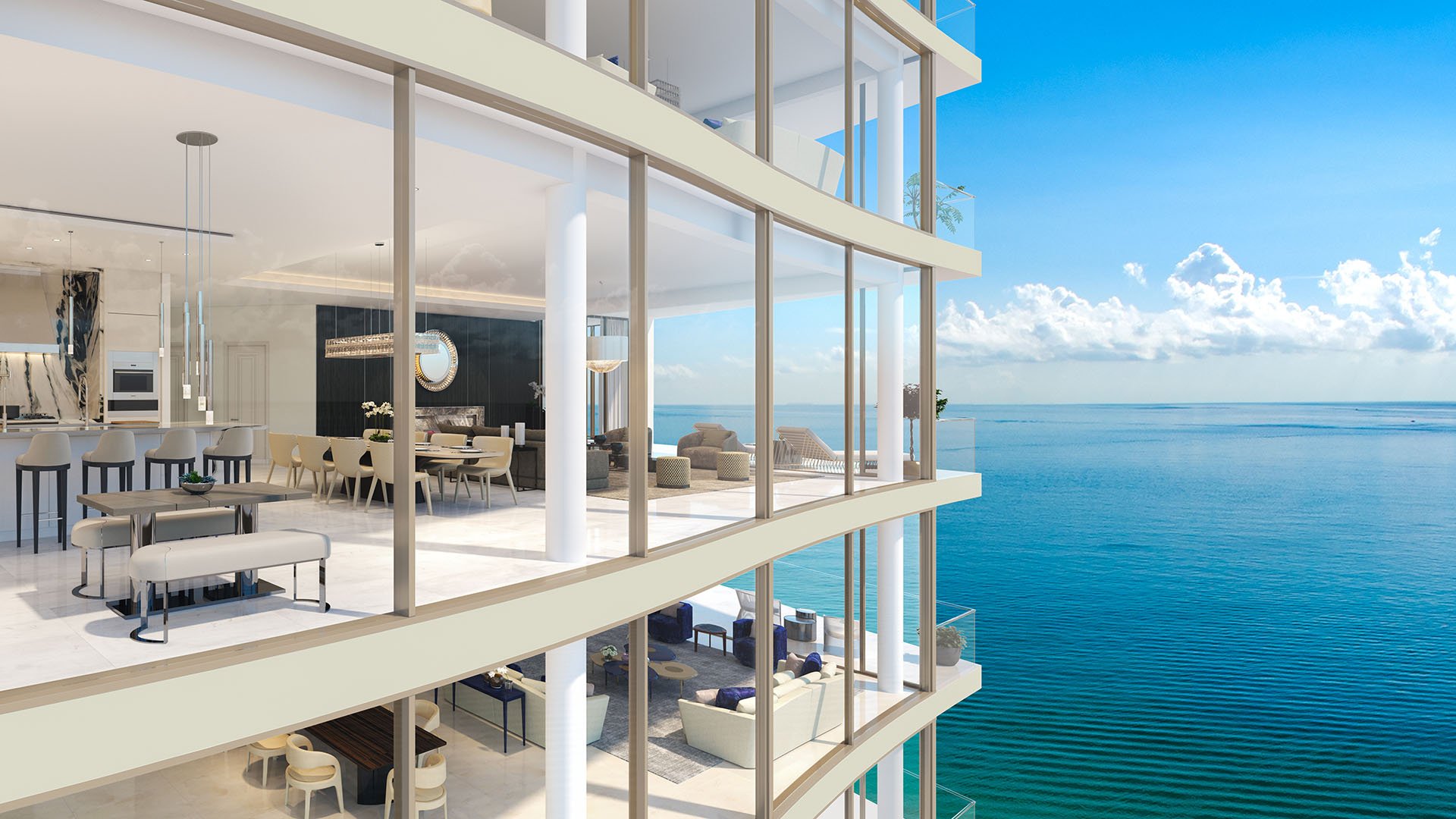
At the highest end of South Florida real estate, luxury is increasingly measured by what a building protects: privacy, quiet, design coherence, and the assurance that every shared experience has been considered. That is why balcony-use rules at The Estates at Acqualina Sunny Isles belong in serious buyer due diligence, not in the category of minor association details.
A balcony is not simply exterior square footage. It is a visible part of the building's architectural composition, an extension of the living room, and a threshold between private ownership and the collective image of the tower. In a Sunny Isles setting, where light, salt air, and long views define the residential experience, a terrace can become one of the most valuable rooms in the home. It can also become one of the easiest places for friction to emerge when expectations are vague.
Quiet luxury depends on restraint. The most sophisticated buildings understand that restraint is not severity. It is the art of making daily life feel effortless because the rules are clear before conflict begins.
Balcony-use policies often address practical questions: furniture scale, planters, grills, sound, lighting, drying items, storage, pets, holiday decor, smoking, maintenance access, and the use of exterior areas during certain hours. Each rule may seem small in isolation. Together, they shape the tone of the building.
For buyers considering The Estates at Acqualina Sunny Isles, the important question is not whether rules exist. In a serious luxury building, they should. The better question is whether those rules support the life residents believe they are buying. A well-managed terrace policy should preserve serenity without making ownership feel constrained. It should protect views without turning personal outdoor space into a showroom. It should allow gracious living while preventing the casual visual clutter that can dilute an otherwise ultra-modern residential statement.
This is especially relevant in oceanfront environments, where balconies are highly visible from adjacent residences, amenity decks, and the shoreline. One owner's exterior choices can affect the visual calm of many others. A strong policy is not about taste policing. It is about safeguarding the shared value of the building's presentation.
The phrase quiet luxury is often used loosely, but in residential governance it has a precise meaning. It means fewer surprises. It means guests understand the atmosphere before they arrive. It means late-night sound, oversized terrace furnishings, exposed storage, and improvised installations do not become routine compromises.
Affluent buyers are often highly tolerant of rules when those rules are transparent, rational, and evenly enforced. In fact, many prefer them. A disciplined building can feel more private because residents are not constantly negotiating boundaries with neighbors. That sense of certainty is part of the premium.
Balcony rules also matter because exterior areas are where lifestyle branding becomes visible. A tower may have refined interiors, attentive service, and polished amenity spaces, but if balconies appear inconsistent or unmanaged, the overall impression changes. In the luxury market, consistency is not superficial. It is a value signal.
Before signing, buyers should request and review the governing documents, house rules, architectural guidelines, and any terrace-specific policies. Counsel should confirm what is permitted, what requires approval, and what can be changed by the association or board. The aim is not to find a rule-free building. The aim is to understand whether the rules align with the buyer's lifestyle.
Key questions include whether balcony furniture must meet certain materials or dimensions, whether planters require liners or drainage controls, whether exterior lighting is limited, whether cooking equipment is permitted, and whether holiday or seasonal decor is regulated. Buyers should also understand rules around pets, music, private events, and maintenance responsibilities for sliding doors, railings, flooring surfaces, and drainage areas.
The most important review is emotional as well as legal. If a buyer imagines the terrace as a private garden, an entertaining salon, or a minimalist viewing platform, the rules should support that vision. A mismatch may not be obvious during a showing, especially when the residence is staged. It becomes obvious after move-in, when daily habits meet written policy.
In the luxury sector, resale value is shaped by more than comparable sales. It is shaped by confidence. Buyers pay more readily when they believe the building will remain well presented, professionally managed, and socially composed over time.
Balcony-use rules contribute to that confidence. They can reduce disputes, preserve exterior uniformity, and help ensure the building photographs and tours with the same composure year after year. For an investment-minded purchaser, that consistency can matter as much as an amenity list.
The best policies are clear without being petty. They distinguish between genuine risks and personal preference. They are written in plain language, communicated early, and applied consistently. When governance is discreet, residents rarely experience it as governance at all. They simply experience a building that feels calm.
That is the quiet luxury case: not restriction for its own sake, but a framework that protects the pleasure of ownership.
The Estates at Acqualina Sunny Isles invites a broader point about the evolution of South Florida luxury. As residences become larger, more design-forward, and more deeply connected to outdoor living, balcony policies will continue to move from the back of the document package to the center of the buyer conversation.
A terrace is personal, but it is never entirely private in a vertical community. It shapes the skyline, the neighbor experience, and the way a building holds its identity. Buyers who understand that balance are better prepared to choose a residence that feels effortless not only on closing day, but for years afterward.
Do balcony-use rules matter in a luxury purchase? Yes. They can affect daily living, resale presentation, privacy, and the overall atmosphere of the building.
Are balcony rules usually a negative for owners? Not necessarily. Clear, reasonable rules often protect owners from inconsistency, noise, and visual clutter.
What should buyers review before closing? Buyers should review governing documents, house rules, terrace policies, and any architectural guidelines with counsel.
Can balcony furniture be restricted? It can be, depending on the building's rules. Size, materials, placement, and appearance may all be addressed.
Why do luxury buildings regulate terrace decor? Exterior decor can affect the building's visual identity, neighbor views, and the calm presentation buyers expect.
Do rules affect entertaining on a terrace? They may. Sound, guest behavior, hours of use, and safety requirements can shape how outdoor entertaining works.
Should investors care about balcony governance? Yes. Consistent presentation and fewer resident conflicts can support confidence in long-term ownership.
Can rules change after purchase? Some rules may change through association procedures. Buyers should understand how changes are adopted and enforced.
Is a strict policy always better? No. The best policy is clear, fair, practical, and aligned with the lifestyle the building promises.
What is the best way to shortlist comparable options for touring? Start with location fit, delivery status, and daily lifestyle priorities, then compare stacks and elevations to validate views and privacy.
For a confidential assessment and a building-by-building shortlist, connect with MILLION.
If branded residences are on your mind — as a home or as an allocation — we would be glad to share what we are seeing, privately.
Begin a quiet conversation