A discreet, practical guide for executive buyers evaluating Edgewater residences through the lens of privacy, workflow, views, amenities, and long-term usability.
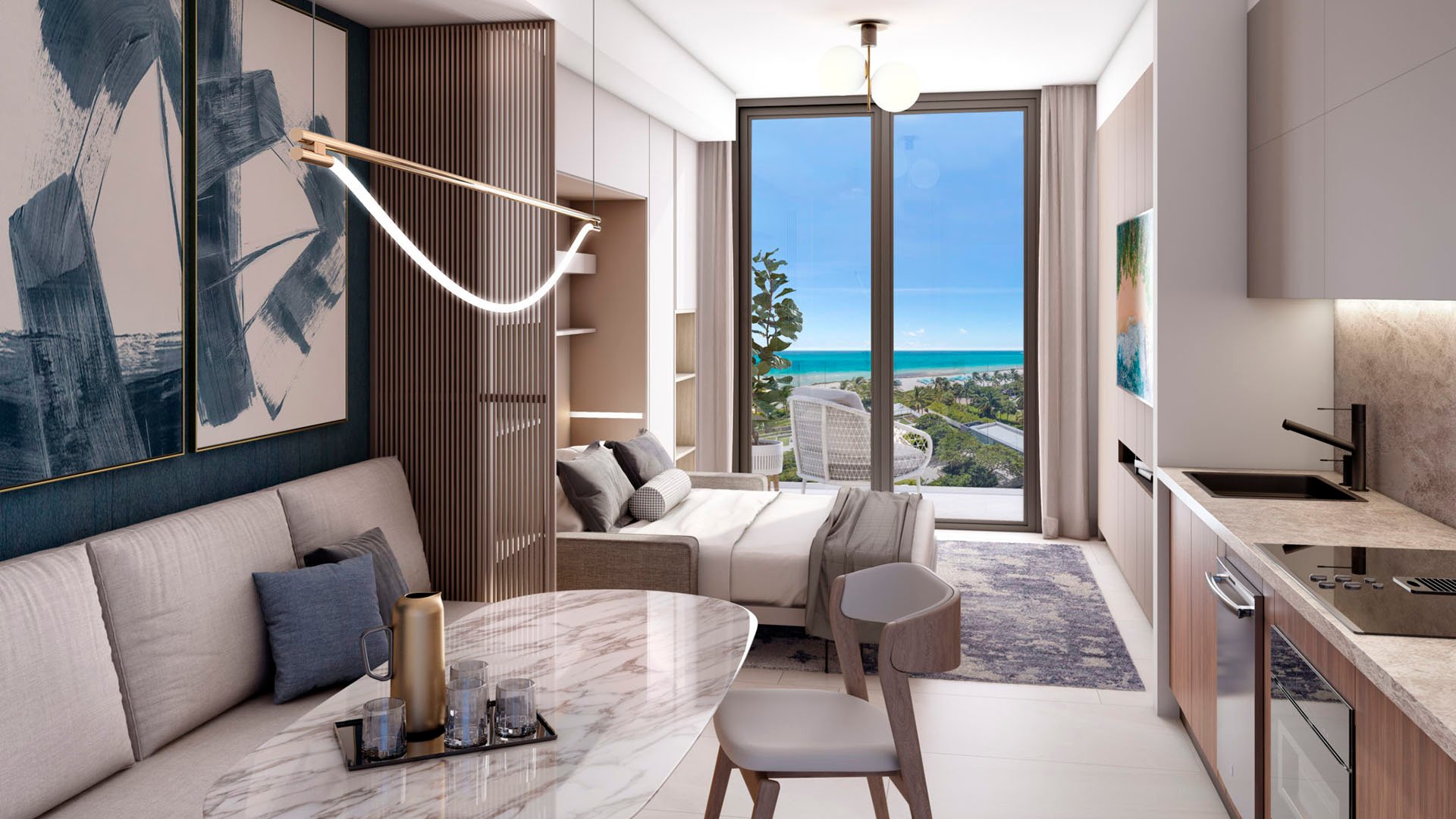
For an executive who works from home, the right Edgewater residence is not simply a larger apartment with a better view. It is a private operating environment: a place where calls begin before breakfast, sensitive conversations stay discreet, and the shift from strategy session to family dinner happens without a change of address.
That distinction should shape the search from the first showing. A conventional luxury checklist may begin with finishes, amenities, and view exposure. An executive checklist begins with the rhythm of the working day. Where will the principal take confidential calls? Can a second person work at the same time without competing for quiet? Is there a room that feels composed on camera without turning the entire home into an office?
Edgewater is best evaluated through that operational lens. Neighborhood appeal matters, but the residence itself must support performance, privacy, and recovery in equal measure.
The most important room may not be labeled as an office. It may be a secondary bedroom, a den, a media room, or a corner of a primary suite that can be enclosed with intention. What matters is whether the plan creates a clean separation between public living, private life, and work.
Look for layouts that give the office a sense of arrival without placing it in the busiest circulation path. A workspace beside the kitchen may read well during a tour, but it can become difficult when calls overlap with deliveries, staff, children, or guests. A stronger plan lets the executive step away from the household without feeling removed from it.
Acoustic comfort is essential. During showings, pause in each potential office area and listen. Elevator proximity, amenity-level activity, mechanical sound, and corridor noise can all affect daily concentration. Consider whether doors, wall placement, and ceiling conditions support the quiet expected from a serious work environment.
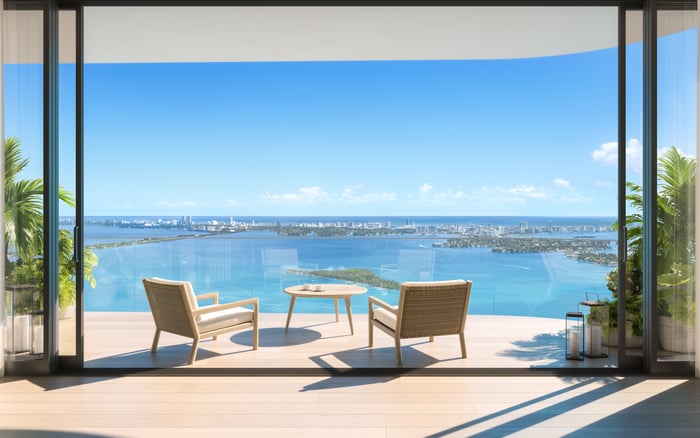
A balcony can be valuable, but not only for the obvious reasons. Used well, it becomes a reset space between meetings, a place to take a non-confidential call, or a visual extension of the office. The key is usability: shade, wind comfort, furniture depth, and adjacency to the room where work actually happens.
In a work-from-home purchase, amenities should be judged by how much friction they remove from the executive day. A beautiful pool, lounge, or wellness area is welcome, but the more important question is whether the building supports a high-functioning routine.
A buyer comparing EDITION Edgewater with Aria Reserve Miami should look beyond presentation and ask practical questions. Is there a place for a quiet informal meeting? Does the fitness component make it realistic to train between calls? Can guests be received smoothly without bringing every appointment into the private residence?
Service also deserves close attention. Package handling, valet flow, building access, elevator efficiency, and guest procedures all become part of the workday when home is also headquarters. Luxury is not only what is visible. It is the absence of interruption.
For executives who travel often, the building should also be easy to leave and easy to re-enter. That means simple routines for luggage, drivers, visiting family, household staff, and vendor access. The better the building manages these movements, the calmer the residence feels.
Waterfront and Waterview preferences are central to many Edgewater searches, but executives should be precise about how a view will be experienced during working hours. A dramatic outlook can be restorative, yet glare, heat, screen reflection, and afternoon light may change how a room functions.
During a tour, stand where the desk might actually go. Imagine a video call at different times of day. Consider window treatments, camera angle, background composition, and whether the most desirable view also creates the most demanding light condition.
Projects such as Villa Miami and The Cove Residences Edgewater may appear in an Edgewater search for buyers who want a contemporary residential setting, but the final decision should come down to fit. The strongest view is the one that supports both attention and decompression.
Do not treat a higher floor as automatically superior. Some executives prefer a sweeping outlook, while others value a more immediate relationship with water, landscape, or city texture. The right answer depends on temperament, schedule, and the desired mood of the home office.
Before moving from interest to offer, confirm the practical details that affect work. Ask how internet service is handled, whether residents commonly use backup connectivity, and what options exist for structured wiring or discreet equipment placement. A clean technology plan is particularly important when video calls, cloud platforms, and secure communications are part of the day.
Review building rules with a work-from-home lens. Some residences function beautifully for quiet professional use, while more active client traffic may raise building-policy questions. Executives should understand guest registration, meeting-room use, delivery protocols, contractor access, and any restrictions that could affect staff or assistants.
Storage is another quiet indicator of livability. A polished office can quickly lose its composure if there is nowhere to place documents, samples, devices, luggage, or seasonal items. Built-ins, closets, and auxiliary storage should be considered part of the productivity infrastructure.
Finally, evaluate the residence after business hours. The best executive home does not feel like a workplace at night. Lighting, materials, circulation, and room proportion should allow the office to disappear emotionally, even if it remains physically present.
A disciplined Edgewater search should compare residences across four categories: privacy, performance, restoration, and resale logic. Privacy covers acoustic separation, entry sequence, staff circulation, and the ability to host selectively. Performance includes room proportions, technology, light control, and building services. Restoration is about the water, air, wellness amenities, dining at home, and the feeling of return at the end of the day.
Resale logic is more nuanced. A highly personalized office can be powerful for the current owner, but the underlying plan should remain flexible. A den that can become a guest room, library, media lounge, or executive suite will generally be more adaptable than a single-purpose buildout.
The best purchase will feel composed rather than overdesigned. It will support demanding work without announcing itself as corporate. It will make the executive more efficient, and also more at ease. In Edgewater, that is the real luxury: a residence that respects time.
What should an executive prioritize first in an Edgewater condo? Prioritize a layout that separates work, living, and rest. The office area should be quiet, private, and easy to close off when the workday ends.
Is a den enough for a serious home office? It can be, if it has enough privacy, power access, storage potential, and light control. The label matters less than how the room performs.
How important is acoustic separation? It is essential for executives handling calls, negotiations, or confidential work. Listen carefully during showings and consider how doors and walls contain sound.
Should I choose the highest available floor? Not automatically. The best floor is the one that provides the right balance of view, light, privacy, elevator comfort, and daily ease.
Do amenities matter if I mainly work inside the residence? Yes, because amenities can reduce friction around fitness, guests, meetings, deliveries, and downtime. Their value is measured in time saved.
What should I ask about technology? Ask about internet options, wiring, equipment placement, and backup connectivity. A beautiful office still needs reliable digital infrastructure.
Can a waterfront view be distracting during work? It depends on the person and the room. Test the likely desk position for glare, camera background, and concentration.
How should couples who both work from home evaluate a unit? Look for two credible work zones, not one office and one compromise. Simultaneous calls require true separation.
Is custom millwork worth considering? Often, yes, if it improves storage, cable management, and visual calm. Keep the design flexible enough for future uses.
What is the best way to shortlist comparable options for touring? Start with location fit, delivery status, and daily lifestyle priorities, then compare stacks and elevations to validate views and privacy.
For a tailored shortlist and next-step guidance, connect with MILLION.
If branded residences are on your mind — as a home or as an allocation — we would be glad to share what we are seeing, privately.
Begin a quiet conversation