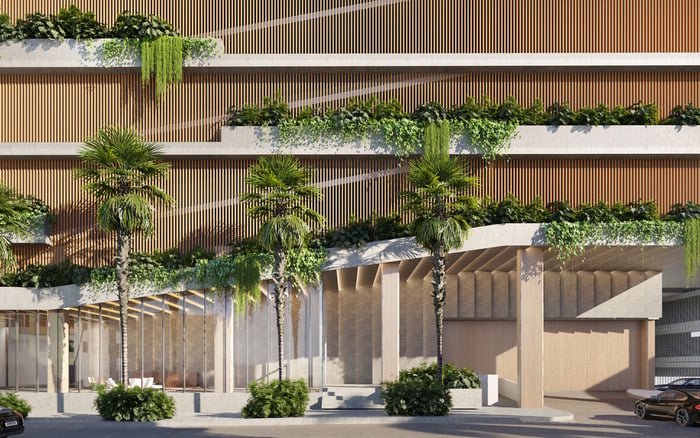
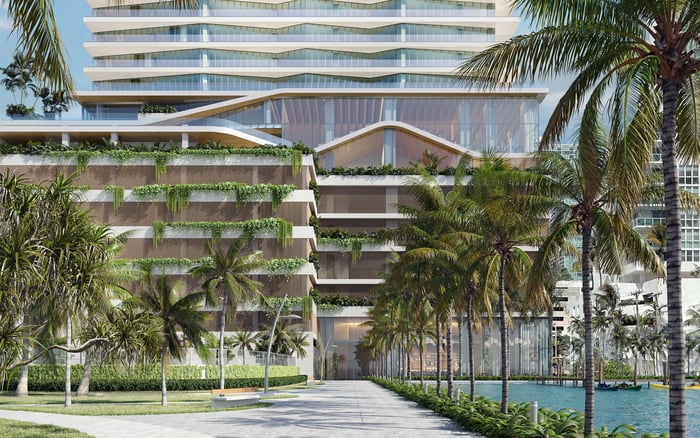
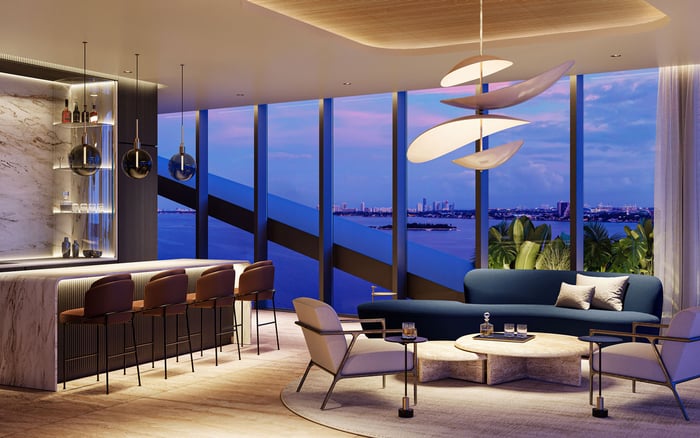
A buyer-focused look at how warranty response, documentation, and post-closing service should shape the 2026 evaluation of The Cove Residences Edgewater.
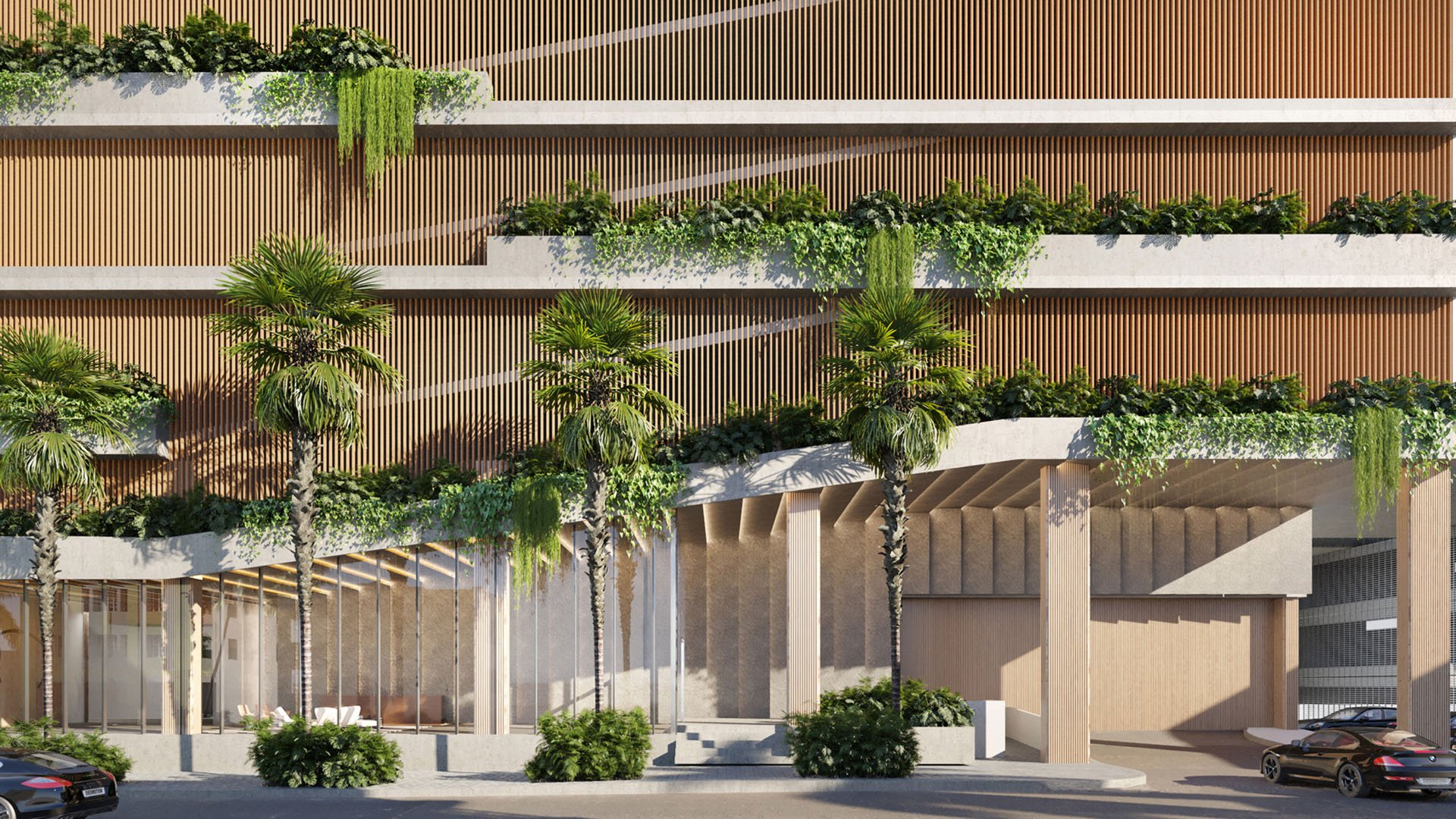
For buyers evaluating The Cove Residences Edgewater in 2026, the most revealing question may not be the view, the finish palette, or the amenity program. It may be simpler-and more consequential: how does the building respond when something requires attention after closing?
In South Florida’s luxury market, warranty response has become a quiet measure of quality. A residence can present beautifully on day one, but the long-term ownership experience depends on how clearly punch-list items are documented, how quickly service requests are acknowledged, and how confidently the developer, association, management team, and contractors coordinate responsibilities. For buyers who value discretion and precision, the warranty process is part of the asset.
Edgewater has matured into one of Miami’s most closely watched waterfront residential districts. That visibility brings higher expectations. Buyers comparing Cove Miami with other new-construction opportunities are no longer focused only on elevation, glass, and amenities. They are asking how the building will perform after move-in, when daily living replaces the sales-gallery narrative.
Edgewater ownership is often tied to lifestyle, proximity, and water-oriented living. The waterview is part of the emotional purchase, but the operational side of ownership is what preserves confidence. A buyer closing on a new residence wants to know that mechanical systems, cabinetry adjustments, appliance questions, terrace details, door alignment, water intrusion concerns, and common-area transitions will be handled through a clear, credible process.
That matters because luxury buyers are often managing multiple homes, travel schedules, business commitments, and family calendars. They may not be present for every inspection or repair appointment. A strong warranty-response culture reduces friction. It provides written confirmation, named contacts, timing expectations, access procedures, and a record of completion. A weak process forces the buyer to become the project manager.
The best buyers in 2026 will treat warranty response as a diligence category, not an afterthought. They will ask how requests are submitted, who receives them, how items are categorized, and what happens when a matter is urgent. They will also distinguish between cosmetic punch-list items, building-system issues, association matters, and owner-maintenance obligations.
The most useful warranty questions are practical. Buyers should ask for the written warranty pathway and the procedure for submitting post-closing items. They should understand whether communication is handled through an owner portal, email, management office, concierge desk, or designated service coordinator. The medium matters less than the accountability behind it.
A serious buyer should also ask what documentation is provided at turnover. The strongest files include appliance manuals, maintenance expectations, vendor contacts, warranty windows, care instructions for surfaces, and guidance on what may void coverage. In luxury residences, material performance depends on use, climate, and care. Natural stone, millwork, terrace components, glazing systems, and specialty fixtures all benefit from precise owner education.
Walkthrough discipline is equally important. The buyer should arrive with a representative who understands high-end residential construction and can separate ordinary settling from issues that require formal action. Photos, dates, locations, and concise descriptions should be recorded. Vague complaints rarely perform as well as specific requests.
The goal is not to be adversarial. The goal is to create a record that allows the response team to perform. In a well-run building, good documentation accelerates resolution.
Buyers often use “punch list” and “warranty” interchangeably, but they are not the same ownership tool. A punch list usually concerns visible items identified at or near delivery. These may include paint touch-ups, cabinet adjustments, hardware alignment, surface blemishes, or minor installation corrections. Warranty matters can extend beyond immediate presentation and may involve performance over time, depending on the governing documents and applicable terms.
In 2026, sophisticated buyers should keep the categories separate. A punch-list spreadsheet is useful for delivery. A warranty file is useful for ownership. The first helps complete the residence. The second helps protect expectations after occupancy.
This distinction is especially important in waterfront urban buildings, where humidity, wind exposure, salt air, and intensive amenity usage can test finishes and systems. Buyers should not assume that every issue is covered, and they should not assume that every response delay signals neglect. The sharper question is whether the building’s team communicates clearly, assigns responsibility, and follows through.
A luxury building has a service culture long before the first warranty request is submitted. Buyers can observe it during showings, contract review, walkthroughs, and closing coordination. Are questions answered directly? Are promises put in writing? Are timelines realistic? Do team members distinguish between confirmed information and aspirational language?
These details matter because warranty response is an extension of the same culture. If communication is polished but nonspecific before closing, it may remain that way afterward. If the team is organized, careful, and transparent during the purchase process, that discipline may carry into ownership.
For The Cove Residences Edgewater, buyers should listen for operational clarity. Who handles unit-level matters? Who handles common-area issues? When does the association become the primary channel? How are contractor visits scheduled? What access rules apply if the owner is away? What happens if an item reappears after initial correction?
A polished answer is not enough. The buyer should seek a process that can be followed by a property manager, assistant, family office, or local representative without confusion.
The 2026 standard is not perfection. Even the finest buildings can have delivery adjustments. The standard is response. In premium real estate, the owner experience is shaped by how a building handles the ordinary frictions of completion.
For investment-minded buyers, warranty response also affects resale confidence. A residence with a clean service record, completed punch-list items, and organized documentation is easier to present later. Buyers entering the next transaction will want to know not only what the home looks like, but how it has been maintained and whether early issues were resolved.
This is where pre-construction and completed new-construction buyers have different concerns. A pre-construction buyer may focus on contract language, delivery expectations, and future service procedures. A completed new-construction buyer can ask more immediate questions about existing owner experience, building management rhythm, and the quality of turnover documentation.
In both cases, the discipline is the same: ask early, document carefully, and keep all communication in a professional written record.
A buyer walkthrough should feel calm, not rushed. The residence should be reviewed room by room, with attention to doors, windows, millwork, appliances, plumbing fixtures, electrical outlets, lighting controls, HVAC performance, flooring transitions, stone surfaces, balcony or terrace components, and any visible signs of moisture or misalignment.
The buyer should test what is meant to function. Open and close cabinetry. Run water. Check drainage. Operate shades if installed. Confirm appliance installation. Review thermostat behavior. Look at the junction between interior finishes and exterior openings. In a waterview residence, glass, terrace thresholds, and exposure-facing components deserve careful attention.
The best notes are concise. “Primary bath vanity drawer does not close flush” is more useful than “bathroom issue.” “South terrace door requires excessive force to latch” is more useful than “door problem.” Precision reduces interpretation and supports faster correction.
Buyers should also confirm the procedure for follow-up. Who receives the final list? How will completed items be verified? Can representatives access the unit? Are there preferred service hours? What notice is required? The answers are part of the ownership experience.
The most overlooked warranty issue is not a defect. It is unclear responsibility. In a condominium setting, some concerns may belong to the unit owner, some to the association, some to the developer during a defined period, and some to product manufacturers or installers. Buyers should understand the boundaries before they need them.
Another overlooked issue is maintenance. Luxury materials often require specific care. An owner who uses the wrong cleaning product, delays filter changes, or modifies a component without approval may complicate future warranty questions. Good ownership is proactive, not reactive.
Finally, buyers should keep expectations aligned with the documents. Sales conversations can be elegant, but the governing materials, warranty terms, and written procedures control the practical path. The discreet buyer reads them before closing, not after frustration begins.
The Cove Residences Edgewater should be evaluated through the lens of modern luxury ownership: design, location, view, amenities, and response. In 2026, the buyer who understands warranty procedure is not being difficult. That buyer is protecting time, capital, and peace of mind.
Edgewater’s appeal is real, but the best purchase decisions are made with both romance and rigor. The water, skyline, and architecture may inspire the acquisition. The service structure will help determine how ownership feels after the keys are delivered.
Why is warranty response important for The Cove Residences Edgewater? It helps buyers understand how post-closing issues may be documented, reviewed, and resolved. In luxury ownership, the response process is part of the value proposition.
Should buyers ask warranty questions before signing? Yes. Buyers should understand the written procedure, response channels, and responsibility boundaries before they close.
Is a punch list the same as a warranty claim? No. A punch list usually covers visible delivery items, while warranty matters may involve performance after occupancy under applicable terms.
What should be documented during a walkthrough? Buyers should record locations, photos, dates, and specific descriptions of any concern. Clear notes help the response team act efficiently.
Should a buyer bring an inspector or representative? For high-value residences, professional support can be useful. A trained eye may identify issues that are easy to miss during a visual tour.
Do waterview residences require special attention? They can. Exposure-facing elements, terrace thresholds, glass, and exterior doors should be reviewed carefully in waterfront settings.
How should remote owners manage warranty follow-up? They should establish written access permissions and identify a local representative when appropriate. Clear scheduling reduces delays.
What is the biggest mistake buyers make? Waiting until after closing to understand the process. Warranty expectations should be part of the purchase conversation.
Can warranty response affect resale? Yes. Organized records and completed corrections can support buyer confidence in a future sale.
What is the best mindset for buyers in 2026? Be calm, specific, and document-driven. Luxury due diligence is most effective when it is precise rather than emotional.
To compare the best-fit options with clarity, connect with MILLION.
If branded residences are on your mind — as a home or as an allocation — we would be glad to share what we are seeing, privately.
Begin a quiet conversation