For collectors choosing between South Beach and Surfside, the decisive luxury may be operational: a workable delivery route, documented environmental controls, secure off-site storage, and a credible storm plan. The strongest purchase decision begins with the collection, then tests the building.
For a collector buying in South Beach or Surfside, the purchase decision extends beyond the view and the quality of the interiors. A residence must accommodate the less visible life of a collection: arrivals, departures, temporary storage, installation, and environmental oversight. The right apartment is not simply one in which a work looks exceptional. It is one into which that work can be moved under a carefully specified plan.
Neither neighborhood should be presumed superior for art logistics. Professional handling, transport, and storage services are available across South Florida, but regional availability does not establish a particular building’s suitability. The meaningful comparison is between documented operating conditions at individual properties.
Begin with a collection brief: each work’s dimensions in its transport crate, handling requirements, likely rotation frequency, and need for specialist environmental advice. That brief turns a lifestyle search into a precise property assessment without diminishing its pleasure.
South Beach condominium deliveries can involve tight staircases and elevator coordination. These are practical considerations, not a verdict on the neighborhood. Ask an art handler to inspect the complete route from the vehicle’s stopping point to the intended installation location.
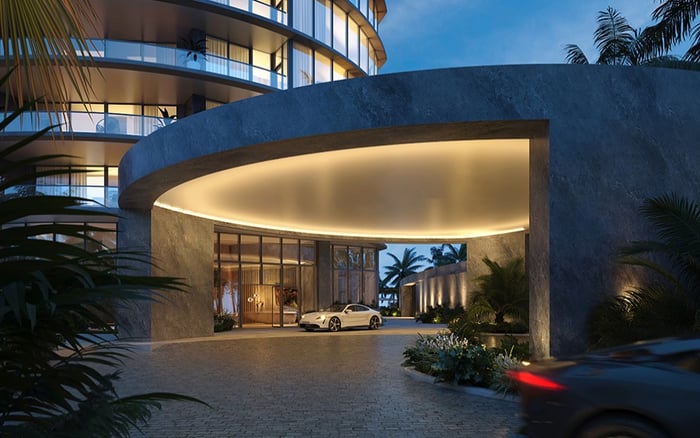
For a buyer considering Apogee South Beach, the relevant questions concern the actual residence and its approved delivery path. Request clear-opening measurements, elevator dimensions, turning clearances, and loading restrictions in writing. A generous room does not resolve a narrow doorway earlier in the journey.
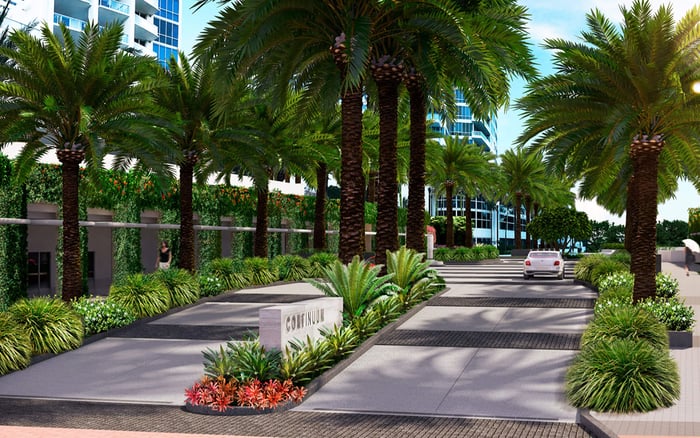
Apply the same discipline when evaluating Continuum on South Beach. Confirm elevator reservations, contractor approvals, protective requirements, and procedures for oversized deliveries. Do not infer them from the property’s positioning.
In Miami Beach, separate neighborhood preference from building readiness. Can the largest crated work reach its destination through the authorized route? Is the proposed delivery schedule acceptable to management? Resolve both questions before booking transport.
Surfside deserves the same collection-led scrutiny. A private amenity may offer convenience without establishing conservation suitability. At Arte Surfside, located at 8955 Collins Avenue, private temperature-controlled parking per residence is a marketed feature. That description does not establish art-storage specifications or documented humidity regulation.
The distinction matters when a buyer considers ancillary space for crates, rotating works, or pieces awaiting installation. Ask what uses are permitted, what conditions are monitored, and whether a specialist considers the space appropriate for the collection. An amenity description is not an environmental specification.
When considering The Surf Club Four Seasons Surfside, request the same operational information: approved arrival routes, delivery procedures, and conditions in any proposed holding space. This is a diligence exercise, not an assertion about the building’s capabilities. The comparison becomes meaningful only when each candidate answers the same questions.
Miami’s fine-art service market includes advertised freight coordination through Miami International Airport and the Port of Miami, alongside custom crating, inventory management, and installation. Residential delivery services also extend to Miami Beach, Fisher Island, and waterfront properties. These capabilities offer options; they do not establish a measured access advantage for South Beach over Surfside.
For the purchase decision, focus on the final handoff. Ask where the vehicle may stop, whether unloading can take place under cover, how long the transfer requires, and who controls elevator access. Obtain building-specific answers rather than treating regional freight infrastructure as proof of an uncomplicated arrival.
Transport offerings include dedicated climate-controlled vehicles, photographic documentation, GPS tracking, air-ride suspension, and specialist crews. Treat these as advertised capabilities to confirm in the booking agreement. Clarify whether the vehicle is dedicated or shared, who handles each transfer, and how the condition record follows the work. An agreed scope is more useful than a service label.
Off-site storage can separate the timing of a property purchase from the timing of an installation. Available options in Miami include short-term holding, storage during renovations, and long-term collection accommodation. Advertised specifications vary: some describe humidity-regulated, climate-controlled environments; others specify temperature-controlled warehousing, secured racking, camera coverage, and inventory tracking by piece, owner, and destination.
These descriptions are not interchangeable. Temperature control alone does not establish documented humidity control, and a general climate-control claim does not define operating parameters for a particular work. Ask the storage provider to specify the promised conditions, monitoring arrangements, access procedures, and response to a system interruption. Have the collection’s specialist assess their suitability.
Within the residence, request an environmental review rather than relying on comfort settings. Ask how conditions will be monitored when the home is unoccupied and which systems, if any, remain available during a power interruption. Verify building-specific backup power and art-grade storage conditions; do not infer them.
An external holding arrangement can also give the buyer flexibility. Works need not arrive while finishes, installation locations, or building permissions remain unresolved. Establish release instructions and inventory records before the first shipment.
Oceanfront appeal should sit alongside an address-specific resilience review. Search the property through county flood-zone mapping and obtain a property-area FIRMette flood-map extract through the federal mapping service. These tools support location-specific diligence; they do not establish the suitability of an interior storage room or the building’s emergency arrangements.
Review planned storage and delivery locations with the appropriate specialists, and ask management for written storm procedures. Clarify when deliveries are suspended, what happens to a shipment already in transit, and who can authorize temporary storage elsewhere. Discuss collection coverage and transport arrangements with the insurer before relying on them.
Regional hurricane preparedness includes securing, storing, or bracing exposed loose objects during severe-weather advisories. That does not establish a verified delivery rule for Miami Beach or Surfside. Obtain the applicable municipal and building requirements directly. The collector’s plan should identify decision-makers, contacts, and storage alternatives before a weather disruption forces a hurried choice.
Ask each shortlisted property to support the same three-part review: a handler-approved arrival route, a specialist-reviewed environmental plan, and a workable contingency arrangement. Keep promises separate from confirmed specifications, and resolve collection-critical questions before committing to a delivery strategy.
The case for South Beach or Surfside is personal, but it need not be imprecise. Choose the setting that suits your life, then require the residence to accommodate the collection through documented procedures. The strongest luxury purchase is one where architecture and operations support each other, with neither expected to compensate for the other.
Explore residences that align with your collecting priorities through MILLION.
If branded residences are on your mind — as a home or as an allocation — we would be glad to share what we are seeing, privately.
Begin a quiet conversationNeither has an established overall advantage. Compare the actual buildings’ delivery routes, environmental provisions, and operating procedures against your collection’s requirements.
The complete route from the vehicle to the installation location, including door openings, elevator dimensions, staircases, and turning clearances. Building permissions and delivery scheduling also need confirmation.
Tight staircases and elevator coordination are identified challenges. Their relevance depends on the particular building, residence, and crated work.
No. The marketed parking feature does not establish art-storage specifications or documented humidity control.
Providers advertise short-term holding, renovation-period storage, and long-term collection storage. Confirm the environmental conditions and operating arrangements for the specific works.
No. A temperature-control description does not establish documented humidity regulation, so request explicit specifications and specialist review.
Offerings include dedicated climate-controlled vehicles, photographic documentation, GPS tracking, air-ride suspension, and specialist handling crews. Confirm the selected capabilities in the service agreement.
Advertised services include freight coordination through Miami International Airport and the Port of Miami. That availability does not establish a particular residence’s loading access or delivery permissions.
Use address-based county flood mapping and obtain a property-area FIRMette through the federal flood-map service. Review building emergency arrangements separately.
Confirm delivery suspension procedures, decision-making authority, temporary storage alternatives, and insurer requirements. Verify applicable municipal and building rules rather than assuming regional guidance governs the property.