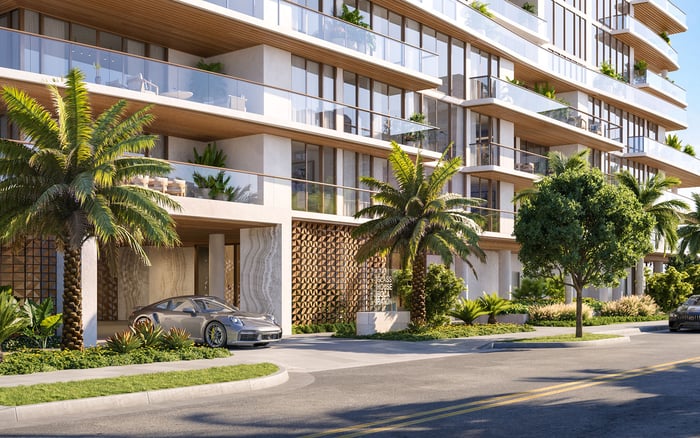
A disciplined 2026 framework for evaluating Boca Raton condominium governance, financial strength, structural records, insurance exposure, use restrictions, and financing eligibility before contractual deadlines expire.

A Boca Raton condominium purchase is not solely an appraisal of views, finishes, privacy, and service. It is also an acquisition of shared obligations. The declaration, budget, reserve schedule, board minutes, engineering files, insurance program, and litigation disclosures should therefore be read as one interconnected record.
That combined review can reveal financing risk, potential assessments, insurance exposure, deferred work, and restrictions that may shape daily ownership. For a buyer considering established buildings or newer options such as Alina Residences Boca Raton, the objective is not to find a flawless file. It is to understand what the association has identified, how it intends to respond, and who will fund that response.
This framework belongs among MILLION Buyer's Guides because disciplined document review protects both lifestyle and capital. It does not replace advice from a Florida condominium attorney, lender, insurance adviser, or qualified inspector.
For a resale purchase, request the declaration, articles of incorporation, bylaws, rules and regulations, FAQ sheet, annual financial statement, and annual budget. Read the documents as a whole rather than treating the rules as an administrative afterthought.
Confirm whether leasing, pets, guests, renovations, parking, and occupancy arrangements align with the intended use. A second-home buyer may need particular clarity on guest access and periods of absence, while an owner planning interior work should understand approval procedures before closing. Amendments matter as much as the original documents, so counsel should confirm that the set is current and complete.
The same discipline applies when comparing a boutique proposition such as Glass House Boca Raton with other ownership formats. Elegant design cannot cure a mismatch between the buyer’s plans and the governing rules.
Begin with the current operating budget, then compare it with prior-year financial statements, reserve funding, and known capital obligations. The central question is whether regular dues appear sufficient to keep pace with routine maintenance and longer-term work.
Request the latest reserve study and any completed Structural Integrity Reserve Study, commonly called a SIRS. Review the component schedule, projected work, funding plan, and reserve balances. Never isolate a reserve figure from the engineering assumptions behind it.
Identify every pending, approved, or recently completed special assessment. Determine its purpose, payment schedule, remaining balance, and allocation to the unit. A single assessment may correspond to a defined project; repeated assessments warrant further inquiry into whether the expenses are episodic or reflect a persistent funding gap.
Cross-check the story told by the numbers. A major repair discussed in board minutes should also appear, where applicable, in reserve schedules, budgets, contracts, permits, or assessment notices. Any inconsistency deserves an explanation before the contingency period closes.
Review 12 to 24 months of board minutes, including special meetings when available. Look for recurring references to water intrusion, concrete or façade work, inspections, insurance renewals, litigation, loans, special assessments, vendor disputes, and major capital projects.
Minutes are most valuable as a chronology. A single mention may be preliminary; repeated discussion can signal an unresolved condition or approaching decision. Request the underlying document whenever the minutes reference an engineer, contractor proposal, legal matter, insurance change, or financing plan.
This lens is relevant across the luxury spectrum, including residences such as The Residences at Mandarin Oriental Boca Raton. The caliber of the residence and the quality of association administration are distinct considerations. Both merit scrutiny.
Obtain the most recent milestone inspection report, any Phase 2 findings, and all follow-up engineering studies. If structural work has been completed, request repair plans, scopes of work, contractor bids, permits, evidence of completion, compliance letters, and confirmation that permits were closed.
The review should connect diagnosis, authorization, funding, execution, and sign-off. An engineering recommendation without a corresponding budget response is incomplete. A paid assessment without evidence of completion also requires follow-up. For waterfront and coastal property, confirm flood-zone exposure and obtain an elevation certificate when insurance or financing requires one.
Municipal projects-in-review materials can provide an additional cross-check for relevant local development and building-related submissions. They should supplement-not replace-the association’s records and professional review.
Request the association’s insurance declarations or certificate, coverage summary, exclusions, and applicable wind and flood deductibles. Buyers should understand both the master policy and the separate coverage their adviser recommends for the unit and personal exposure.
Obtain disclosure of pending litigation. Lawsuits can affect insurance availability, financing, and future owner costs, even when the merits remain unresolved. Ask counsel and the lender to assess the practical implications rather than relying on a brief description.
Verify project eligibility directly with the buyer’s lender at the outset of diligence. Condominium approval status can determine whether conventional financing is available, and a strong personal balance sheet does not, by itself, resolve a building-level eligibility issue.
Pre-construction review requires a different package: the prospectus or offering circular, estimated budget, floor plans, plot plan, escrow agreement, restrictions, easements, and evidence of the developer’s land interest. Estimated operating costs should be treated as projections, not as a record of actual association performance.
For a newer option such as Mr. C Residences Boca Raton, buyers should have counsel examine the offering documents, timelines, rights, restrictions, and budget assumptions governing the specific transaction. The goal remains the same: establish what is promised, what is estimated, and which obligations transfer to owners.
Obtain the full package early in the contractual contingency period. Review the governing documents first, financials and reserves second, minutes third, and then the engineering and insurance records. Lender and legal review should proceed in parallel when timing permits.
Maintain a written issue list linking each question to its supporting records. The most useful inquiry is not whether a document exists, but whether the governance, financial, structural, insurance, and financing records tell a consistent story. Investigate unresolved discrepancies before contractual deadlines expire.
Which documents should a Boca Raton resale buyer request first? Begin with the declaration, articles, bylaws, rules, FAQ sheet, annual financial statement, and current budget.
How many months of board minutes should be reviewed? Review 12 to 24 months, including special meetings when available.
What is the purpose of reviewing a SIRS? It connects structural reserve components with a funding plan and reserve schedule.
Does a special assessment automatically make a building unsuitable? No. Determine whether it funds defined work or signals a recurring shortfall.
What engineering records matter most? Request milestone inspection materials, Phase 2 findings, follow-up studies, and repair completion records.
Why should closed permits be confirmed? Closure helps establish that completed work passed through the applicable permitting process.
What insurance information should the association provide? Seek declarations or a certificate, coverage details, exclusions, and wind and flood deductibles.
Can a buyer assume conventional financing will be available? No. The lender should verify condominium project eligibility directly and early.
What should a coastal buyer add to the review? Confirm flood-zone exposure and request an elevation certificate when required.
Who should evaluate unresolved document issues? Engage the appropriate Florida condominium attorney, lender, insurance adviser, or qualified inspector.
If you'd like a private walkthrough and a curated shortlist, connect with MILLION.
If branded residences are on your mind — as a home or as an allocation — we would be glad to share what we are seeing, privately.
Begin a quiet conversation