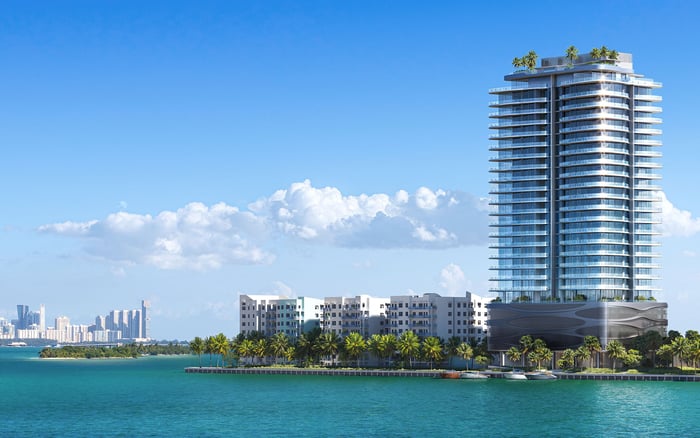
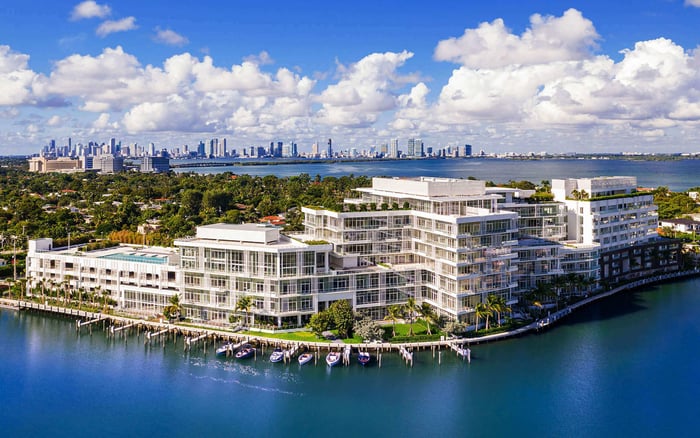
A disciplined framework for evaluating Tula Residences through view quality, access, contract terms, carrying costs, governance, and resale flexibility.
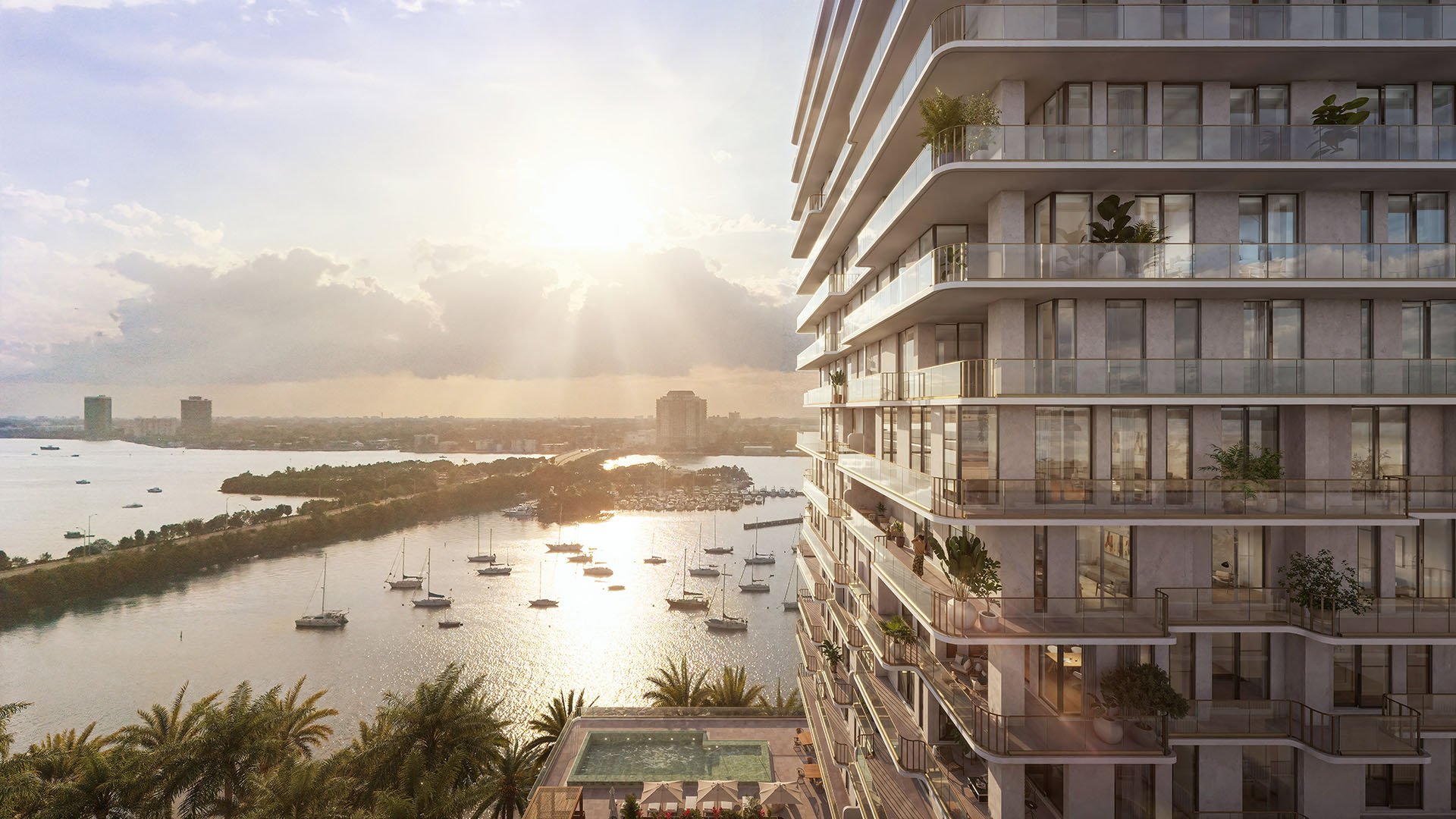
The appeal of a residence framed by water is immediate. The purchase decision should not be. For a 2026 buyer considering Tula Residences North Bay Village, the most useful approach is to separate the emotional proposition from the ownership proposition, then determine whether they remain aligned under careful review.
That requires resisting broad assumptions about views, convenience, amenities, completion, pricing, or future value. Each should be tested against current documents and a unit-specific analysis. The objective is not to diminish the romance of the setting, but to ensure it survives the contract, closing statement, first full year of carrying costs, and eventual resale conversation.
Sophisticated buyers begin with intended use. A primary home, seasonal residence, long-hold asset, and occasional family base each demand different standards for storage, privacy, operating costs, staffing, guest access, and leasing flexibility. The right unit is not simply the most visually impressive. It is the one whose legal, physical, and financial structure best suits the buyer’s actual pattern of ownership.
This distinction is especially important when waterfront and waterview language shapes the initial search. Waterfront describes a relationship to the water; waterview must be assessed from the precise residence, elevation, exposure, and principal rooms under consideration. Neither label replaces direct inspection of plans, sightlines, surrounding parcels, and contractual disclosures.
A water outlook should be treated as a unit-specific attribute, not a building-wide promise. Buyers should review the orientation of the living room, primary suite, terrace, kitchen, and secondary bedrooms. A compelling view from one position may become partial from another, while terrace depth, structural elements, glazing, and neighboring development can shape the experience.
Request the materials that govern representations, not only presentation imagery. Confirm what the contract includes, what is illustrative, and what may change. Study existing and potential development sites within the relevant view corridor. No buyer can eliminate future uncertainty, but a disciplined buyer can identify the assumptions being priced into the decision.
The premium should also be tested against daily utility. Morning light, afternoon heat, glare, privacy, wind, terrace usability, and interior furniture placement can matter as much as the breadth of the horizon. A view earns its premium when it enhances the residence throughout the day, not merely during a brief showing.
“Central” is meaningful only in relation to a buyer’s routine. Replace generic location language with a personal access map encompassing work, schools, airports, dining, medical appointments, marinas, clubs, family, and preferred neighborhoods. Test those trips at the hours they are likely to occur, including weekends and seasonal periods.
Keep the comparison practical. A buyer considering North Bay Village may also be weighing Miami Beach or nearby island communities, but the right choice depends on repeated journeys rather than map proximity alone. Measure access door to door, including parking, building arrival, elevator time, and the final destination.
Convenience also has an ownership dimension. Review how deliveries, household staff, guests, ride services, service providers, and multiple vehicles will be handled. A residence can feel centrally positioned yet operate inefficiently if everyday arrival and service logistics do not suit the household.
When a purchase involves an unfinished or evolving property, buyers should focus on the controlling documents. With qualified counsel, review the deposit schedule, cancellation rights, permitted changes, completion provisions, closing conditions, assignment restrictions, default remedies, and treatment of finishes or substitutions.
The budget demands equal rigor. Build a multiyear ownership model that includes the purchase price, closing expenses, association obligations, insurance, taxes, financing costs if applicable, utilities, interior work, window treatments, furnishings, maintenance, and reserves for surprises. Promotional estimates should not be treated as fixed future costs.
Governance matters as well. Examine the proposed association structure, voting rights, reserve approach, operating assumptions, rules, rental provisions, pet policies, parking rights, storage, and responsibility for shared components. Ownership discipline means understanding both what the buyer controls and what remains subject to collective decisions.
A comparison set should clarify tradeoffs, not produce a superficial price ranking. Within the same named area, buyers can place Tula beside Continuum Club & Residences North Bay Village and Shoma Bay North Bay Village, then compare only details verified for the specific opportunities under review.
A broader island-oriented review might also include Onda Bay Harbor. The purpose is not to assume equivalence, but to test which property best matches the desired balance of residence layout, water relationship, privacy, service model, contract terms, carrying costs, and exit flexibility.
Normalize the comparison. Use the total anticipated cash requirement rather than headline price alone. Compare usable interior planning rather than nominal size alone. Distinguish included rights from separately acquired rights, and recurring expenses from one-time upgrades. Above all, identify which qualities are durable and which depend on presentation, novelty, or uncertain assumptions.
Before committing, prepare a one-page decision memorandum. State the intended use, expected holding period, maximum comfortable annual carry, nonnegotiable residence features, accepted construction or timing risks, and likely resale audience. List unresolved questions, then assign each a deadline, responsible adviser, and required document.
A disciplined decision should remain desirable after unfavorable scenarios are modeled. Consider higher operating costs, altered timing, a less convenient routine, or a future buyer who values the view differently. If the purchase remains attractive without relying on aggressive appreciation, perfect execution, or uninterrupted views, the ownership thesis is more resilient.
What should a buyer verify first at Tula Residences? Begin with the current contract and unit-specific documents, then reconcile every material assumption against them.
Is a water view the same for every residence? No. Orientation, elevation, room position, terrace design, and surrounding development can alter the experience.
How should a buyer evaluate central access? Test recurring door-to-door trips at realistic times, including parking, arrival, and elevator logistics.
What costs belong in the ownership model? Include acquisition, closing, association, insurance, tax, financing, furnishing, maintenance, and contingency costs.
Why review association governance before buying? Governance can shape budgets, rules, reserves, shared responsibilities, and the owner’s practical control.
Should presentation imagery guide the purchase? It can inform design intent, but contractual documents should govern the buyer’s expectations.
How should competing projects be compared? Normalize total cash needs, residence utility, recurring costs, legal terms, and likely resale appeal.
What makes a view premium defensible? The outlook should enhance several principal spaces and remain valuable throughout the buyer’s expected holding period.
When should legal and financial advisers become involved? Engage them before signing or funding obligations, allowing enough time for document and scenario review.
What is the clearest sign of ownership discipline? The purchase remains comfortable under conservative cost, timing, use, and resale assumptions.
To compare the best-fit options with clarity, connect with MILLION.
If branded residences are on your mind — as a home or as an allocation — we would be glad to share what we are seeing, privately.
Begin a quiet conversation