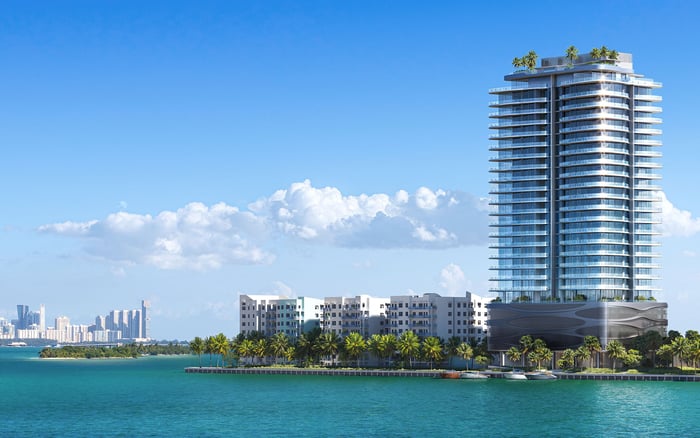
Cash removes financing friction, but it does not establish whether a residence, dock, route, and vessel work together. Buyers should verify rights, dimensions, operating rules, costs, water conditions, and bridge constraints before treating boating access as part of a property's value.
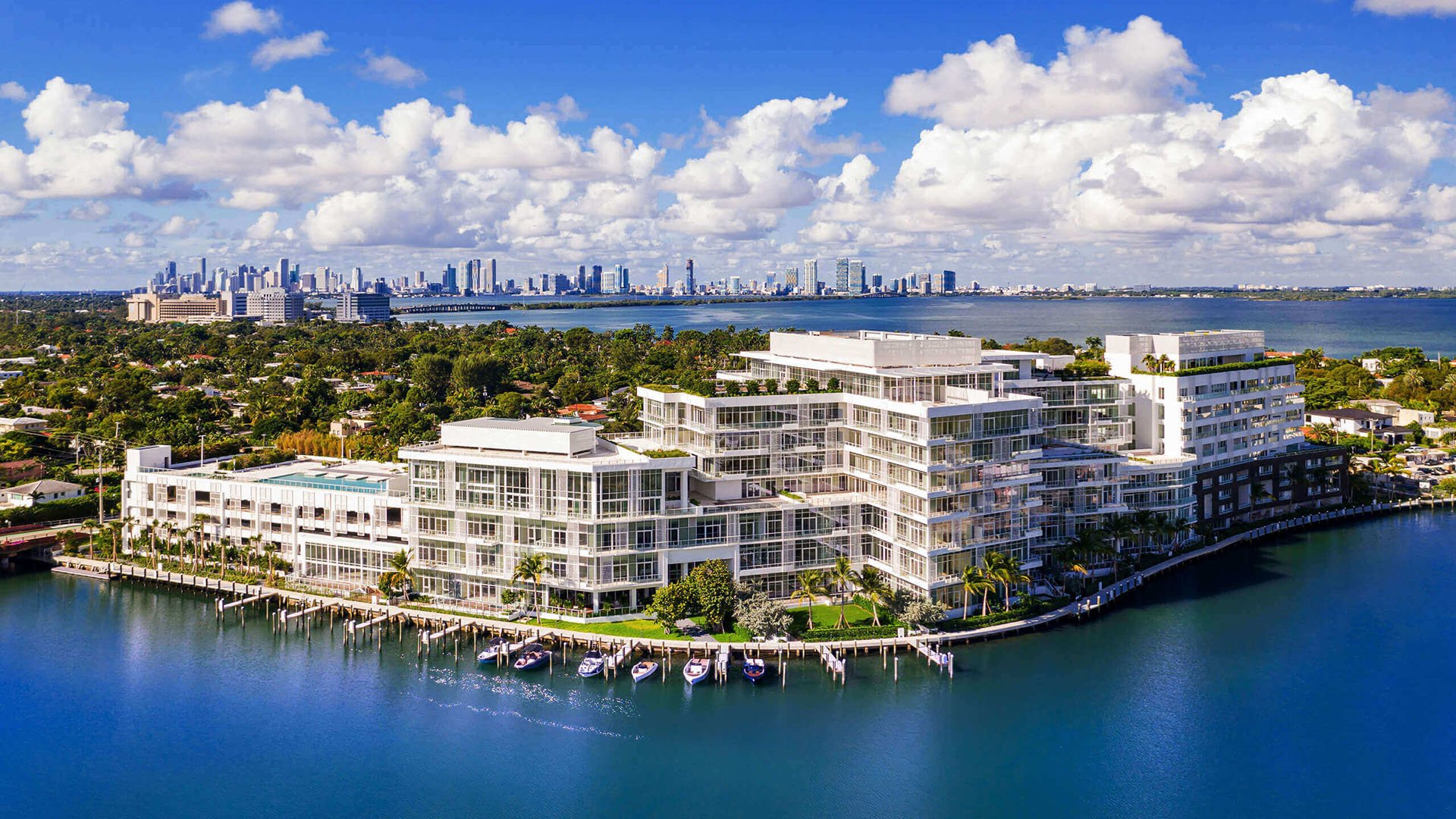
A cash offer can streamline a North Bay Village purchase, but it cannot resolve the questions that determine whether a waterfront residence works for a particular boat. Marina access, dockage, and bridge clearance are distinct issues, each requiring its own documentation, measurements, and professional review.
The essential distinction is between a desirable water view and usable boating infrastructure. A residence may offer a compelling waterfront lifestyle while leaving critical details about dock rights, route restrictions, operating rules, or vessel fit unresolved. Buyers should therefore evaluate the home and the boating proposition as two connected acquisitions.
That principle applies whether considering Continuum Club & Residences North Bay Village, Shoma Bay North Bay Village, or another local opportunity. Project materials may introduce the concept, but binding documents and vessel-specific analysis must establish what the buyer will actually receive.
“Marina access” can describe markedly different arrangements. It may mean an assigned right, a separately controlled interest, an application-based program, a waiting list, or simple proximity to third-party dockage. Cash buyers should not allow those categories to blur.
Request a written explanation of the proposed arrangement and identify every document that governs it. Confirm who controls the slips, who may use them, whether rights transfer with a residence, and whether ownership, tenancy, guest status, or vessel registration affects eligibility. Any verbal representation that influences the purchase should be reconciled with the operative documents before deposits become nonrefundable.
The same discipline should guide a review of Tula Residences North Bay Village or a resale condominium. Pre-construction and completed properties may involve different document sets, but the buyer’s objective remains the same: convert an attractive boating narrative into a precise, enforceable understanding.
A slip is useful only if the boat can occupy it and operate from it safely under the applicable rules. Obtain the permitted vessel dimensions and compare them with the boat’s actual length, beam, draft, height, displacement, and relevant appendages. Do not rely solely on a model name or nominal length.
The review should address pilings, fenders, utilities, boarding position, line placement, maneuvering room, and restrictions on equipment or storage. Determine whether measurements refer to the physical opening, the permitted vessel, or another standard. These are not interchangeable concepts.
Operational questions matter equally. Confirm insurance requirements, approval procedures, guest policies, maintenance obligations, utility charges, hurricane protocols, and any limits on leasing or lending the slip. Recurring costs and administrative obligations belong in the investment analysis, not as an afterthought.
Dock compatibility is only one element of vessel compatibility. Buyers should map the intended route from berth to destination, identifying every bridge, overhead obstruction, narrow passage, and depth-sensitive segment that could affect navigation.
Bridge clearance should be measured against the vessel’s maximum height in its operating configuration. The analysis should also determine whether antennas, outriggers, towers, or other equipment can be lowered-and whether doing so is practical every time the boat departs or returns. Where a bridge opens, buyers should independently confirm the rules and operational implications for their intended use.
Depth requires the same rigor. Draft, tide, loading, underwater profile, and the desired safety margin all influence whether a route is workable. A captain, marine surveyor, marina representative, and other qualified advisers can help test those assumptions. The objective is not a general assurance that boating is available, but a vessel-specific conclusion that the entire route is suitable.
Cash purchasers often have greater flexibility over timing and contingencies. That flexibility is most valuable before closing, while unresolved boating matters can still be addressed through document review, inspection rights, written confirmations, or appropriately drafted conditions.
Build a marine diligence file alongside the conventional real-estate file. It should contain governing dock documents, plans, measured dimensions, fee schedules, insurance criteria, transfer terms, approval records, and written responses to material questions. If a slip is separately documented, counsel should review how it is conveyed and what happens if the residence is later sold.
For buyers comparing North Bay Village with nearby alternatives such as Onda Bay Harbor or residences in Miami Beach, use a consistent worksheet. A uniform comparison prevents architecture, amenities, or marketing language from obscuring meaningful differences in boating utility.
A disciplined valuation separates the residence itself from any boating benefit. Determine how much of the purchase decision depends on immediate dock use, future availability, transferable rights, or simple proximity to a marina. Then test each assumption independently.
This approach preserves optionality. If dockage is not guaranteed, the residence may still be compelling, but it should be evaluated accordingly. If boating utility is essential, uncertainty warrants contractual attention and a valuation response. Cash creates speed. Precision protects the reason for buying.
Does paying cash eliminate the need for marina due diligence? No. Cash removes a financing layer, but legal rights, physical compatibility, operating rules, and route constraints still require review.
Is a water view evidence that a residence includes dockage? No. Treat the view, waterfront location, marina access, and slip rights as separate features until the documents connect them.
What should a buyer request about a slip? Request governing documents, permitted dimensions, transfer terms, approval requirements, fees, insurance criteria, utilities, and operating rules.
Why is the boat’s stated model length insufficient? The vessel’s actual overall dimensions, draft, height, equipment, and operating configuration may determine whether the slip and route work.
Who should evaluate bridge clearance? A qualified marine professional familiar with the vessel and intended route should assess height, equipment configuration, and operating margin.
Should tides be considered in the route review? Yes. Depth and overhead conditions can vary, so the analysis should reflect the vessel, route, loading, and intended operating conditions.
Can a slip transfer automatically with the residence? Do not assume so. Counsel should determine whether the relevant right is assigned, separately conveyed, licensed, leased, or subject to approval.
What recurring costs deserve attention? Review fees, utilities, insurance, maintenance responsibilities, assessments, service costs, and any charges tied to vessel approval or use.
How should buyers compare different projects? Apply the same vessel-specific checklist for rights, dimensions, route, rules, costs, timing, and transferability to every property.
When should marine diligence be completed? Complete it before the buyer loses meaningful contractual leverage, with timing and protections structured by qualified legal advisers.
If you'd like a private walkthrough and a curated shortlist, connect with MILLION.
If branded residences are on your mind — as a home or as an allocation — we would be glad to share what we are seeing, privately.
Begin a quiet conversation