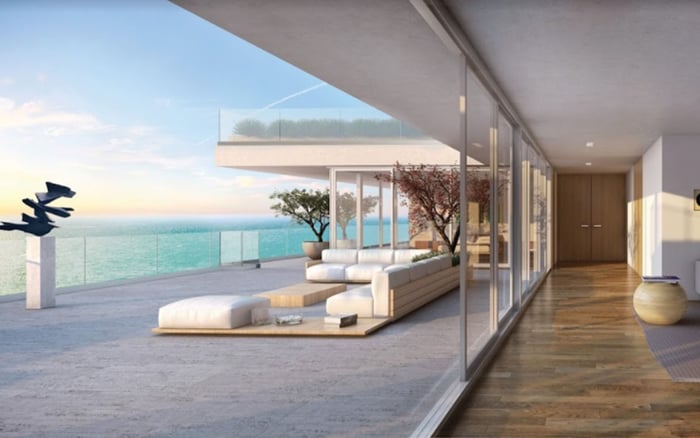
The Delmore Surfside presents privacy, architectural character, and beachfront access through a boutique ownership proposition. For 2026 buyers, the decisive question is whether its lifestyle premium remains compelling after careful review of recurring costs, service expectations, and condominium documents.
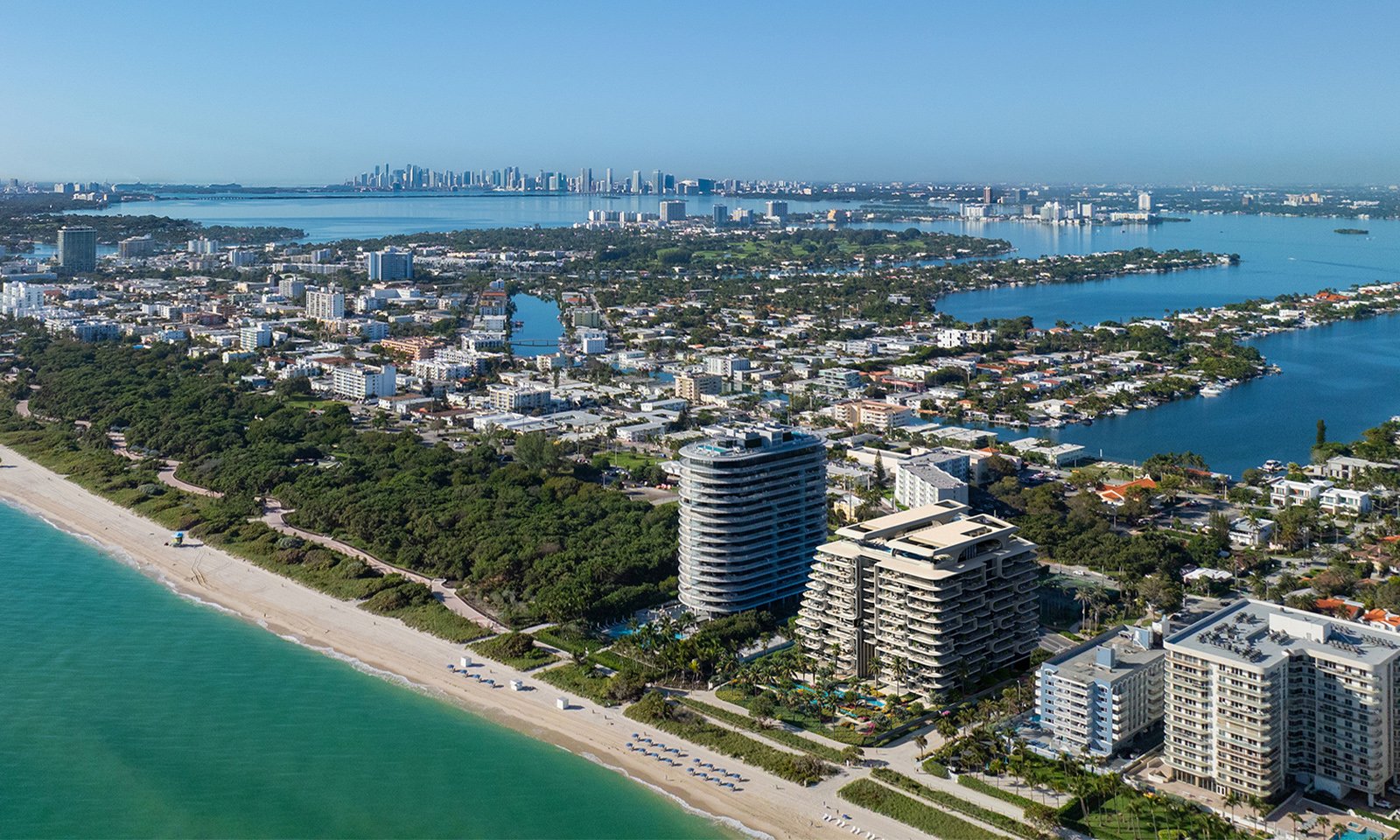
For the 2026 luxury buyer, rarity is no longer measured solely by an ocean view, a recognized address, or an ambitious amenity program. Increasingly, it is defined by the experience of daily life: the number of neighbors encountered, the ease of reaching the beach, the discretion of service, and the extent to which a building feels residential rather than resort-like.
The Delmore Surfside enters that conversation as an oceanfront project centered on low-density living, privacy, architectural distinction, and curated amenities. Its proposition speaks to buyers seeking trophy-quality South Florida real estate without the social scale of a conventional high-unit-count condominium.
That intimacy is meaningful, but it should not suspend financial judgment. A more useful 2026 lens considers two questions at once: What does limited ownership improve, and which obligations become more concentrated when fewer residences support the building?
The central appeal is experiential. Beachfront access can coexist with a neighborhood-style rhythm, while Surfside provides a residential oceanfront setting associated with privacy, boutique buildings, and proximity to Bal Harbour. The result is a quieter expression of luxury-one defined less by constant activity than by controlled arrival, personal space, and consistent service.
This positioning distinguishes The Delmore Surfside from projects designed around volume or a highly animated hospitality identity. It also places the property within a local lineage that includes Arte Surfside and Fendi Château Residences Surfside, both relevant for buyers comparing intimate beachfront ownership in the same market.
The comparison should extend beyond amenity counts. Buyers should examine circulation, privacy, the relationship between residences and common areas, and whether the service model supports full-time living, seasonal occupancy, or both. Architectural character matters most when it improves these daily transitions rather than serving only as a visual signature.
Boutique living can deliver fewer shared encounters, a more intimate atmosphere, and a stronger sense that the property is a private residence rather than a destination. These are legitimate lifestyle advantages, particularly for owners who value discretion and predictability.
Yet a limited number of residences can also mean that staffing, curated amenities, insurance, maintenance, and other operating needs are spread among fewer owners. That does not make low density inherently inefficient. It means buyers must understand precisely what is being delivered, what it is expected to cost, and how those costs may be allocated over time.
A disciplined review should cover the current budget, projected recurring charges, staffing assumptions, service contracts, maintenance responsibilities, and the treatment of shared amenities. Buyers should also determine which expenses are included, which are billed separately, and which may vary with actual operations. The objective is not to eliminate cost, but to confirm that the spending supports the privacy and service standard being purchased.
Luxury language often emphasizes atmosphere. Ownership documents translate that atmosphere into obligations. If privacy is the premium, buyers should understand how access, guest management, deliveries, staffing, and resident services are intended to function. If amenities are curated, the relevant question is not only what they include, but how they will be maintained and funded.
The same analysis applies when comparing The Delmore with established Surfside reference points such as The Surf Club Four Seasons Surfside or another boutique option such as Ocean House Surfside. These comparisons do not replace a property-specific review. They help frame the range of service cultures and residential experiences available along this part of the coast.
Buyers should therefore separate three components of value: the private residence, the shared physical environment, and the service platform. Each contributes differently to enjoyment, resale positioning, and annual carrying costs. Compelling design may command attention, but durable satisfaction depends on whether all three remain coherent after closing.
Begin with the offering documents and condominium disclosures available at the time of review. Confirm the residence specifications, purchase terms, deposit structure, completion provisions, and any stated rights of the parties. Marketing materials may establish the vision, but executed documents govern the transaction.
Next, test the operating model. Request the most current projections and identify the assumptions behind staffing, amenity operations, maintenance, and insurance. Ask how costs are distributed and how the low-density structure affects each owner’s share. Where estimates are used, understand what could cause them to change.
Then evaluate personal fit. A buyer who prizes quiet beachfront living may reasonably assign substantial value to fewer residences and a more private atmosphere. Another may prefer a broader social environment or a larger service ecosystem. Neither preference is universally correct. The investment decision becomes disciplined when the ownership structure aligns with the buyer’s actual use pattern and time horizon.
Finally, engage qualified legal, tax, inspection, and financial advisers as appropriate. The purpose is to clarify obligations, not dilute the property’s emotional appeal. At this level, confidence should come from understanding both the residence and the institution that will operate around it.
The Delmore’s strongest proposition is not simply its oceanfront setting. It is the possibility of experiencing that setting through a deliberately intimate residential model, supported by elevated design and curated service expectations. For the right buyer, that combination can feel scarcer than sheer scale.
The ownership discipline is equally clear. Privacy has an operating architecture, and boutique service has a cost structure. A sophisticated 2026 purchase decision should value the serenity while testing every assumption that sustains it. When the lifestyle premium and long-term obligations align, low density becomes more than a marketing distinction. It becomes the defining quality of ownership.
What is The Delmore Surfside? It is presented as an oceanfront residential project in Surfside, Florida, with a low-density luxury positioning.
What distinguishes its buyer proposition? The concept emphasizes privacy, an intimate residential environment, architectural character, and curated amenities.
Is the project intended to feel like a resort tower? Its positioning is designed for buyers seeking beachfront access without the atmosphere of a dense resort tower.
Why does low density matter to a luxury buyer? It can support fewer shared encounters, greater discretion, and a more residential daily experience.
What is the principal financial consideration? Staffing, amenities, insurance, and maintenance may be supported by fewer owners, making cost allocation important to review.
How should buyers assess recurring costs? They should examine current projections, included services, allocation methods, and the assumptions underlying operations.
Why is Surfside relevant to the proposition? Surfside combines a residential beachfront setting with boutique-building character and proximity to Bal Harbour.
Should architecture influence the purchase decision? Yes, particularly when design improves privacy, circulation, usability, and the experience of arriving home.
What documents deserve close attention? Buyers should review current offering documents, condominium disclosures, purchase terms, budgets, and applicable service arrangements.
Who is the most natural buyer for The Delmore? It may suit a buyer who values trophy-quality oceanfront living, privacy, and a deliberately intimate ownership environment.
For a discreet conversation and a curated building-by-building shortlist, connect with MILLION.
If branded residences are on your mind — as a home or as an allocation — we would be glad to share what we are seeing, privately.
Begin a quiet conversation