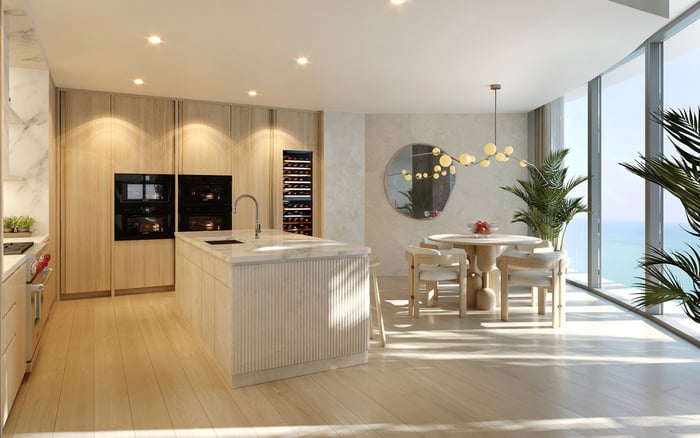
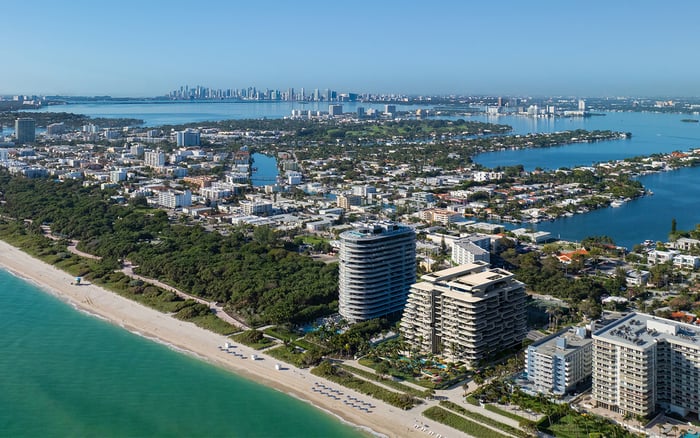
Rivage Bal Harbour pairs a constrained oceanfront setting with the appeal of new construction. The disciplined 2026 buyer should value location, newness and lifestyle separately, then test the complete ownership proposition against relevant alternatives, recurring costs and conservative resale assumptions.
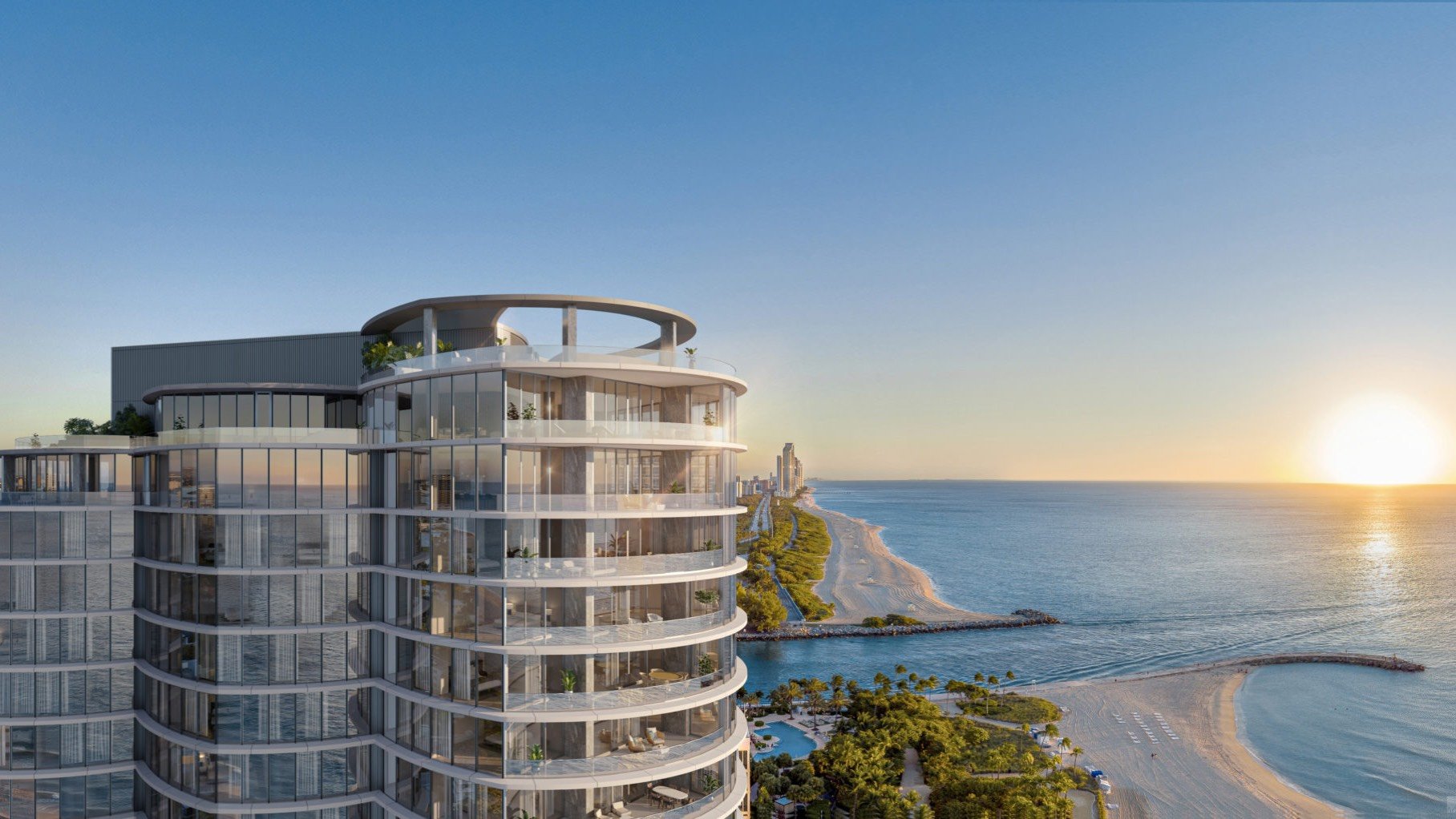
The appeal of Rivage Bal Harbour begins with a proposition that is easy to understand and difficult to replicate: a newly built condominium directly on the ocean in Bal Harbour. In a municipality that is largely built out, this combination distinguishes Rivage within a coastal market defined primarily by established luxury towers and resale opportunities.
That distinction can support a scarcity premium, but it should not suspend judgment. The sophisticated 2026 buyer recognizes the site's enduring importance while independently testing the price paid for newness, architecture, amenities, finishes and views. The objective is not to diminish the lifestyle, but to identify precisely which portion of the purchase carries lasting locational value and which reflects features that may age, require upkeep or face newer competition.
This is the appropriate lens for a MILLION Buyer's Guides audience: admire the residence, then underwrite the ownership.
Oceanfront real estate is not a single attribute. A buyer should distinguish direct coastal positioning from the quality of a particular view, the experience within the residence and the building's broader service proposition. Architecture and amenities can make ownership more pleasurable, but they are not interchangeable with the underlying scarcity of the location.
The practical exercise is to assign each layer a role. The site may be the hardest element to reproduce. New-construction quality may reduce a buyer's appetite for renovation while offering a more contemporary living experience. Finishes and amenities may justify additional value for an owner who will use them often. None should be priced through enthusiasm alone.
This framework also clarifies the distinction between rarity and liquidity. A scarce asset may attract future interest, yet resale still depends on price, condition, competing inventory and the preferences of the next buyer. Scarcity is an advantage, not an automatic exit strategy.
Rivage should be assessed against properties that address a similar buyer need, not against a broad collection of South Florida condominiums. Within Bal Harbour, an established oceanfront reference such as Oceana Bal Harbour can help frame the trade-off between new delivery and resale ownership. The objective is not to declare a universal winner, but to understand what the market asks a buyer to pay for Rivage's particular combination of place and newness.
The comparison can then widen selectively. Eighty Seven Park Surfside offers another nearby coastal context, while Turnberry Ocean Club Sunny Isles provides a reference farther north. These properties are not substitutes in every respect. They are useful controls for assessing how location, building age, residence character and lifestyle positioning shape a buyer's willingness to pay.
A disciplined comparison should include residences with genuinely relevant exposures, layouts and conditions. Asking prices alone are insufficient. The analysis should also account for the likely cost and inconvenience of adapting a resale residence to personal standards.
The acquisition price is only the opening entry in the ownership model. A rigorous review should encompass recurring association obligations, insurance considerations, taxes, maintenance within the residence and the cost of preserving its furnishings and finishes. Current offering documents, budgets and disclosures should anchor that work before any commitment is made.
Personal use belongs in the same analysis. A primary resident, a seasonal owner and a buyer anticipating occasional stays derive different practical value from identical architecture and amenities. The more frequently the residence is used, the easier it may be to justify its service and lifestyle features. Limited use can still be entirely rational, but the annual cost per period of enjoyment assumes greater importance.
This is where new-construction enthusiasm must meet ownership discipline. A pristine presentation can shape emotion, while recurring expenses compound quietly. The buyer should model both a preferred case and a less favorable one, allowing room for expenses to evolve without turning the residence into a source of financial friction.
For many buyers, Rivage will be both a personal asset and an investment. Those roles should coexist without being conflated. Enjoyment may justify a price that a purely financial buyer would decline, but the lifestyle premium should be explicit rather than concealed within optimistic appreciation assumptions.
The residence should fit the broader balance sheet, including liquidity needs and exposure to South Florida real estate. Capital protection begins with a defensible purchase price, ongoing expenses the buyer can comfortably absorb and a resale thesis that does not depend on perfect market conditions.
A useful test is whether ownership would still feel sound if appreciation proved slower than hoped or a future sale required patience. If the answer remains yes because the location, use and financial commitment are aligned, the decision rests on firmer ground.
Before proceeding, review the governing and offering materials with appropriate legal, tax, insurance and financial advisers. Confirm the residence's specifications, view orientation, included features, payment obligations and all material ownership terms in the current documents. Assumptions drawn from presentation materials should never replace contractual detail.
Next, build a comparison set and normalize it for condition, personalization needs and recurring expenses. Finally, document the intended holding period, expected use and acceptable exit conditions. This process preserves the emotional reward of buying on the ocean while imposing standards appropriate to a significant asset.
The central conclusion is measured. Rivage presents a compelling form of Bal Harbour scarcity, and its new status is meaningful in a predominantly resale-oriented setting. The buyer's edge lies in paying for those qualities deliberately, without treating beauty, rarity or lifestyle as substitutes for due diligence.
What is the central appeal of Rivage Bal Harbour? It combines true oceanfront positioning in Bal Harbour with the distinction of a newly built luxury condominium.
Why might scarcity matter to a 2026 buyer? Bal Harbour is largely built out, so a new direct-oceanfront opportunity occupies a constrained segment of the market.
Does scarcity guarantee appreciation? No. Future value still depends on acquisition price, ownership costs, competing inventory, condition and resale demand.
How should a buyer evaluate the newness premium? Separate the value of contemporary design, finishes and amenities from the harder-to-replicate value of the site.
Which properties belong in a comparison set? Focus on relevant coastal residences with comparable location appeal, views, layouts, condition and ownership experience.
Should asking prices drive the analysis? No. Compare the complete proposition, including adaptation costs, recurring obligations and the quality of each residence.
How should a second-home buyer think about carrying costs? Relate annual expenses to expected use, convenience and enjoyment rather than assuming occasional occupancy makes them immaterial.
Can Rivage be both a lifestyle purchase and an investment? Yes, provided the buyer states the lifestyle premium clearly and avoids relying on aggressive resale assumptions.
What documents deserve close review? Examine current offering materials, governing documents, budgets, disclosures and contractual terms with appropriate advisers.
What is the most disciplined buying principle? Pay deliberately for location and personal utility while keeping expenses, liquidity and exit expectations conservative.
To compare the best-fit options with clarity, connect with MILLION.
If branded residences are on your mind — as a home or as an allocation — we would be glad to share what we are seeing, privately.
Begin a quiet conversation